Best Small Towns Near Raleigh, NC
Not everyone moving to the Triangle wants to land in a master-planned suburb. Many buyers — especially those coming from smaller cities, rural areas, or places with strong local character — specifically want a town that feels like a town: a real main street, local restaurants, a farmers market, a sense of community that doesn’t come from an HOA.
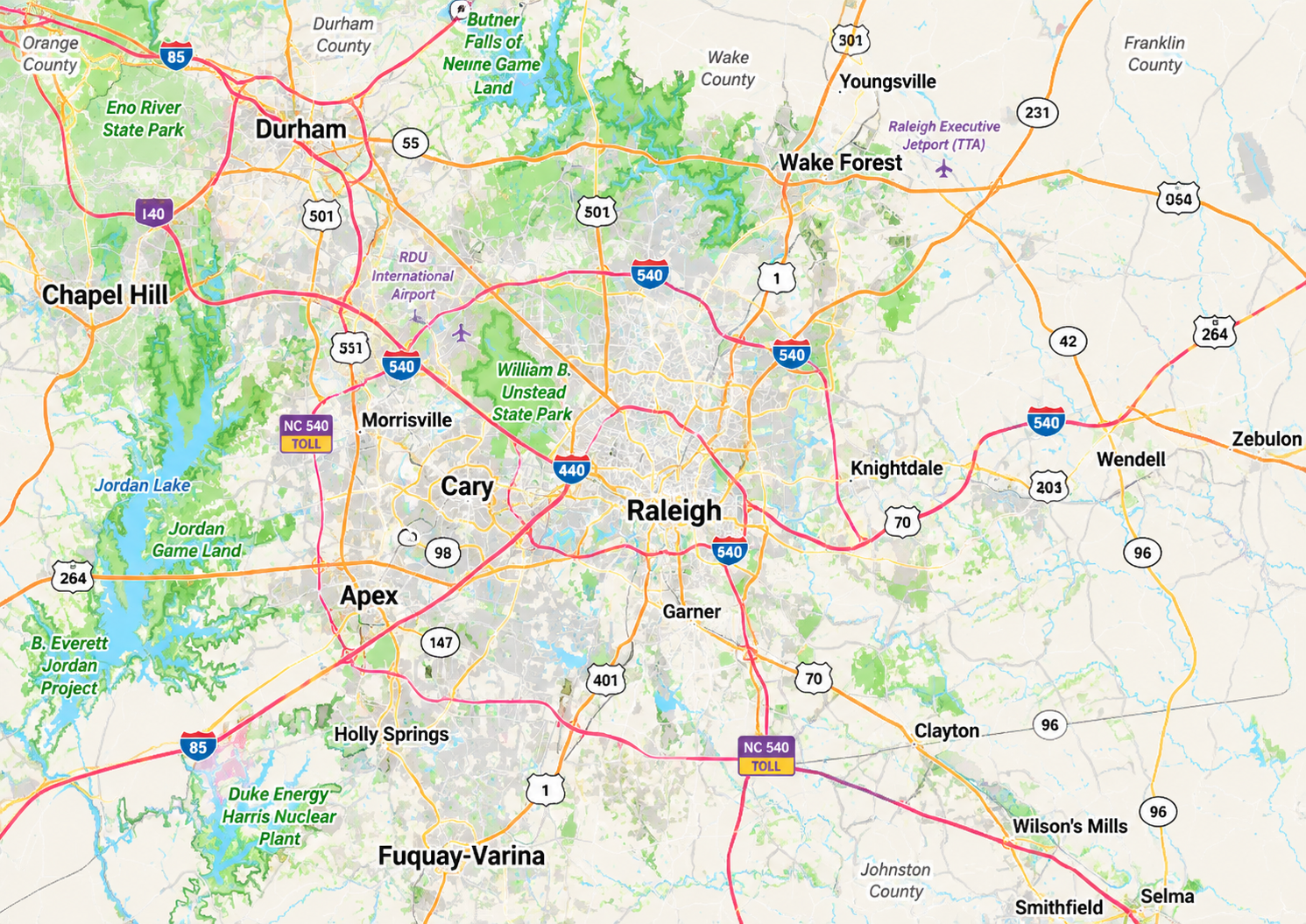
The Triangle has more of this than most people expect. Within 30–50 minutes of Raleigh, there are genuine small towns with their own downtowns, histories, and identities — at price points significantly below Cary or Apex.
Free 30-minute consultation · English & Russian
Anna Rukhlina · Real Estate Broker · DASH Carolina
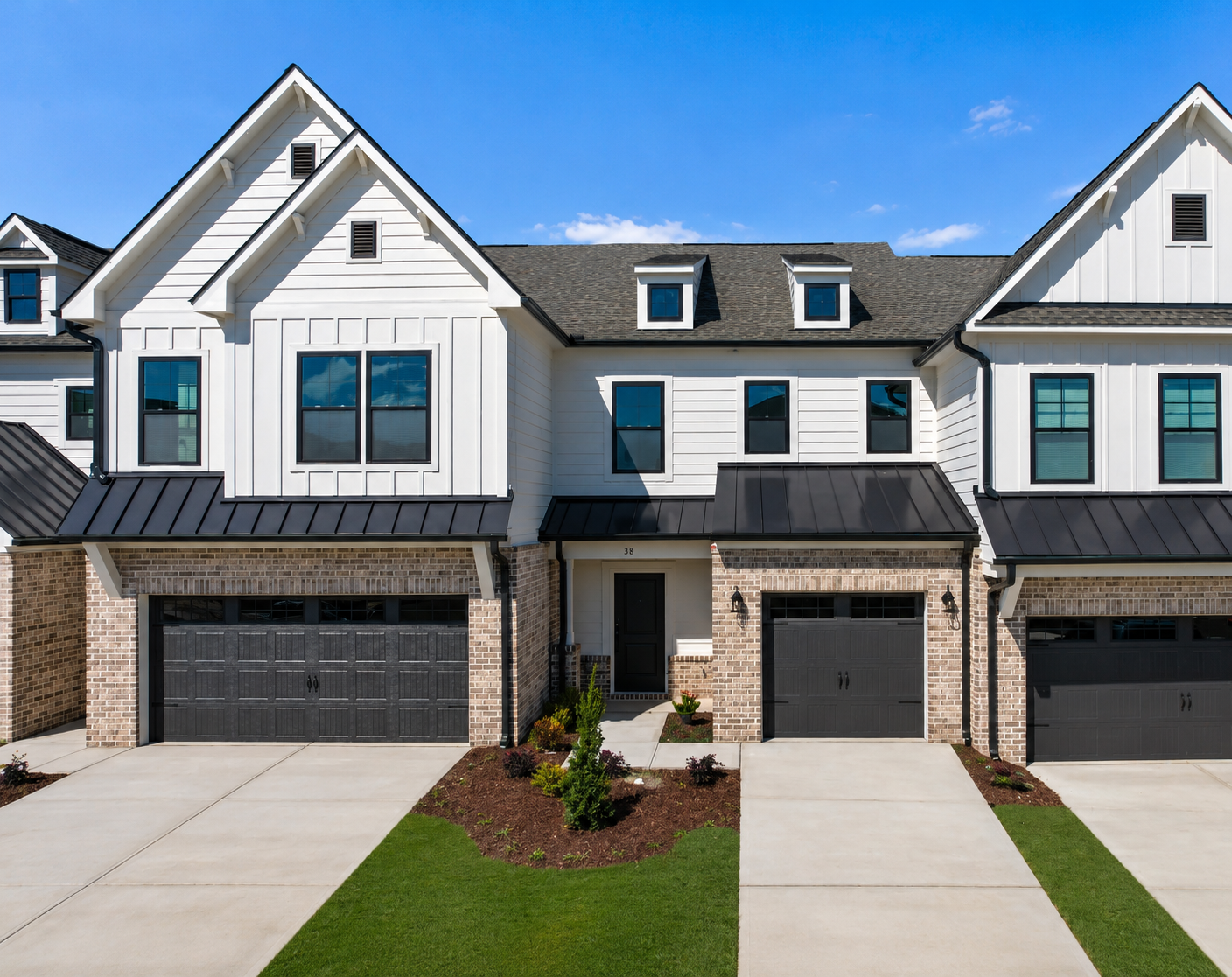
Small Towns Near Raleigh at a Glance
This page covers the small towns near Raleigh worth knowing about, what each one actually feels like, and how to think about the trade-offs.
What “Small Town” Actually Means Here
In the Triangle context, “small town” means a community with:
- A walkable or semi-walkable downtown core with local businesses
- A distinct local identity, not just a subdivision collection
- Population generally under 30,000 (though some are growing past this)
- A different feel from the master-planned communities of Cary, Apex, or Morrisville
These towns are not rural — most have grocery stores, schools, and basic services nearby. But they offer a different pace and character than western Wake County’s more polished suburbs.
Start Here
What Surprises Buyers Most
Small towns near Raleigh are growing faster than most buyers expect.
Wake Forest, Wendell, Clayton, and Fuquay-Varina are all adding thousands of new residents annually. The “small town” you’re looking at today may feel significantly different in five years — which can be a feature or a drawback depending on what you’re looking for.
Many have active new construction.
This category isn’t just old housing stock. Wendell Falls, new communities around Clayton, Fuquay-Varina’s builder corridor, and Chatham Park near Pittsboro all have active new construction — some of the most affordable in the Triangle.
County lines matter more than city names.
Several of the most affordable and most appealing small towns on this list — Clayton, Angier, Pittsboro, Youngsville — are outside Wake County. That means different schools, different taxes, and different infrastructure trajectories. Many buyers don’t realize this until they’re already in the search process.
Some towns feel much farther from RTP than they look on a map.
The Triangle looks compact. A 25-mile drive to RTP at 8am on US-1 or I-40 is not a 25-minute drive. Always test the actual commute during peak hours before committing to a community based on map distance.
Local character varies enormously.
Wake Forest and Pittsboro feel genuinely like towns with history and identity. Rolesville and Zebulon are quieter and less developed. Wendell Falls is new construction that’s built a community feel intentionally. These are very different living experiences — worth visiting before deciding.
The Towns
Typical Home Prices in Popular Small Towns Near Raleigh
| Community | Typical Single-Family Buyer Range |
|---|---|
| Wake Forest | $450k–$700k+ |
| Fuquay-Varina | $450k–$650k+ |
| Clayton | $350k–$550k+ |
| Wendell | $400k–$650k+ |
| Rolesville | $450k–$700k+ |
| Pittsboro | $450k–$800k+ |
| Angier | $350k–$550k+ |
| Zebulon | $350k–$550k+ |
Home prices vary significantly by neighborhood, lot size, age of the home, and new construction availability. Verify current pricing before making a purchase decision.
Wake Forest — Best Overall Small Town Near Raleigh
Wake Forest has the most developed small-town infrastructure of any community in this category. Historic Downtown Wake Forest offers a genuine walkable main street with local restaurants, coffee shops, boutiques, breweries, and community events throughout the year.
Beyond downtown, Wake Forest has grown significantly with newer neighborhoods, strong retail infrastructure, and convenient access to both Raleigh and Durham.
Best For: Buyers who want a true small-town atmosphere without giving up modern conveniences.
Housing: Mix of established neighborhoods near downtown and newer single-family communities throughout town.
Trade-Off: Commutes to RTP can be longer than Cary, Apex, or Morrisville.
Wendell — Growing Fast While Keeping Its Character
Wendell combines rapid growth with a surprisingly strong sense of local identity. Downtown Wendell remains active, while Wendell Falls has become one of the Triangle’s most recognizable master-planned communities.
The town continues attracting buyers looking for newer homes without the pricing of western Wake County.
Best For: Buyers who want newer communities, community amenities, and a smaller-town feel.
Housing: Large concentration of newer construction communities alongside older homes near downtown.
Trade-Off: Longer commutes to RTP and western Triangle employment centers.
Fuquay-Varina — Small-Town Core with Suburban Growth
Fuquay-Varina offers one of the most recognizable downtown districts in southern Wake County, with local restaurants, breweries, community events, and a growing small-business scene.
The town continues to expand rapidly while maintaining a distinct identity separate from surrounding suburban development.
Best For: Buyers seeking more house for the money while staying in Wake County.
Housing: Mix of established neighborhoods near downtown and active new construction on the outskirts.
Trade-Off: Longer commutes to RTP, Durham, and RDU Airport.
Clayton — Johnston County’s Most Popular Choice
Clayton has become one of the fastest-growing communities outside Wake County. Its revitalized downtown, expanding retail options, and strong new construction market continue to attract buyers looking for affordability and space.
Best For: First-time buyers, growing families, and buyers prioritizing value.
Housing: Mix of established neighborhoods, newer subdivisions, and active new construction communities.
Trade-Off: Longer commute to RTP and western Triangle employment centers.
Pittsboro — The Most Unique Small Town in the Triangle
Pittsboro offers a combination that is difficult to find elsewhere in the region: a historic downtown, arts-focused culture, proximity to Jordan Lake, and significant future growth through Chatham Park.
It feels noticeably different from most Triangle suburbs and attracts buyers looking for character and long-term potential.
Best For: Buyers who want a historic town atmosphere, outdoor recreation, and something different from a typical suburb.
Housing: Historic homes, acreage properties, and growing new construction opportunities.
Trade-Off: Some infrastructure and amenities are still catching up with growth.
Zebulon — Affordable and Genuinely Quiet
Zebulon has a small downtown, a historic main street, and some of the most affordable new construction in Wake County. The pace is genuinely quiet — this is not a fast-growing suburb, it’s a small town that happens to have active builder activity nearby. Falls Lake and Kerr Lake are within reasonable range for outdoor recreation.
Best For: Buyers who want a quiet, smaller-scale environment with affordable Wake County homes.
Housing: Active new construction alongside established homes. Wake County.
Trade-Off: Distance from Triangle core amenities is real. Thinner retail and dining options than Wake Forest or Wendell.
Rolesville — Small, Quiet, Wake County
Rolesville is one of the smallest incorporated towns in Wake County and one of the quietest. A small downtown, active new construction on the outskirts, and a genuinely low-key suburban feel. Closer to Raleigh than most communities in this category, with Wake County schools.
Best For: Buyers who want Wake County schools with a low-key residential feel closer to Raleigh.
Housing: New construction active in several surrounding communities. Wake County.
Trade-Off: Limited downtown development — not much of a walkable town center yet. Growing but still primarily a residential community without strong local commercial character.
Youngsville — Franklin County’s Quiet Option
Just north of Wake County in Franklin County, Youngsville is a genuinely small town with a quiet character, larger lots, and lower prices than Wake County. Franklin County taxes are lower. Franklin County Schools is a smaller, separate system from Wake.
Active new construction has arrived in Youngsville, making it increasingly accessible for buyers who want a rural-to-semi-rural feel with a new home. The Jordan Lake / Falls Lake recreation corridor is within driving range.
Best For: Remote workers and buyers who want north Triangle space at lower Franklin County prices.
Housing: New construction, established homes, and land parcels available. Franklin County taxes lower than Wake.
Trade-Off: Real distance from Triangle core. Franklin County Schools. Fewer amenities than Wake County communities.
Franklinton — For Buyers Who Want to Step Further Out
Franklinton is further north and more rural in character than most communities on this list. A small historic downtown, low prices, large parcels available, and a pace that’s genuinely different from suburban Wake County. Franklin County.
Best For: Remote workers or retirees who want quiet, space, and low cost.
Housing: Among the most affordable in the broader region. Mix of established homes, land, and some new construction. Franklin County taxes and schools.
Trade-Off: The furthest community on this list from Triangle core. Not suited for frequent Raleigh or RTP trips.
Angier — Harnett County Value
Angier sits in Harnett County south of Wake County. A small historic downtown, active new construction, very affordable prices, and large lots. Harnett County taxes are lower than Wake. Harnett County Schools.
For buyers where price and space are the top priorities, Angier offers some of the best value in the broader Triangle region — with enough local character to feel like more than just a tract home development.
Best For: Buyers where price and space are the top priorities.
Housing: Active new construction and established homes with large lots. Harnett County.
Trade-Off: Harnett County Schools. Real distance from Triangle employment and amenities.
Small Town vs. Suburban Community: The Real Difference
| Small Town | Master-Planned Suburb | |
|---|---|---|
| Downtown | Historic main street or growing town center | Usually none, or a small commercial strip |
| Community feel | Organic, built over time | HOA-organized events and amenities |
| Housing stock | Mix of old and new | Primarily new construction |
| Price | Generally lower | Higher in established areas |
| Commute | Often further from RTP | Closer to major employment |
| Character | Distinct local identity | Consistent, predictable |
Neither is better — they serve different buyers. The question is which environment fits your daily life.
Trade-Offs Common to All Small Towns in This Category
Distance from Triangle core.
Every community on this list is further from RTP, RDU, and Cary than the established western Wake suburbs. For buyers who commute to RTP daily, most of these towns require a real daily time commitment. For remote workers, hybrid workers, or retirees, the trade-off shifts significantly.
Thinner amenity infrastructure.
Local character is real in these towns, but the variety of retail, restaurants, and services is smaller than in Cary or Apex. Expect to drive to a neighboring community for some regular needs, especially in the early years if you choose a faster-growing community.
County differences.
Several of the best value towns on this list — Clayton, Angier, Youngsville, Franklinton, Pittsboro — are outside Wake County. Different school system, different tax structure, different growth trajectory. Worth researching directly before committing.
Most Common Buyer Shortlists
Most buyers narrow to 2–3 towns before making a decision. Here’s how the most common comparisons break down — and what drives the choice.
Wake Forest vs Wendell
Both have real downtowns and are growing fast. Wake Forest is more established, more expensive, and closer to Raleigh via US-1. Wendell is slightly further east, lower-priced, and has the Wendell Falls community for buyers who want new construction with built-in amenities. Remote workers and first-time buyers often land on Wendell; hybrid workers commuting north often prefer Wake Forest.
Pittsboro vs Wake Forest
Very different profiles. Wake Forest: suburban infrastructure, Wake County, growing fast. Pittsboro: genuine small-town character, Chatham County, Jordan Lake access, arts community. The buyer who chooses Pittsboro over Wake Forest is usually optimizing for character and outdoor access over school system and suburban amenities.
Clayton vs Fuquay-Varina
Both are south of Raleigh, both offer more home for the money. Fuquay-Varina is Wake County — higher taxes, better-developed infrastructure, more amenities nearby. Clayton is Johnston County — lower taxes, more square footage per dollar, longer commute to RTP. For remote workers and first-time buyers, this comparison usually comes down to county preference and how often they need to access the Triangle core.
Compare →Angier vs Clayton
Both are affordable, both have active new construction, both are outside Wake County. Clayton is in Johnston County and closer to Raleigh by about 10–15 minutes. Angier is in Harnett County, slightly more affordable, and further south. For buyers focused purely on price and new construction, Angier offers the lower entry point. Clayton offers slightly more developed local infrastructure and easier Raleigh access.
Youngsville vs Wake Forest
Wake Forest is Wake County with more developed infrastructure and higher prices. Youngsville is Franklin County, lower taxes, more rural feel, and significantly lower prices. For remote workers and buyers who want north Triangle at a lower price point and are comfortable with Franklin County schools, Youngsville is the alternative most buyers don’t initially consider.
Frequently Asked Questions
Not Sure Which Small Town Fits Your Life?
A 30-minute conversation can narrow the field to the 2–3 towns worth visiting — based on character, budget, county, and how often you need to reach Raleigh or RTP.