Relocation to Raleigh, Cary & the Triangle Area, NC
Thinking About Moving to the Triangle?
The Raleigh-Durham-Chapel Hill region, commonly known as the Triangle, is one of the fastest-growing areas in the United States. Buyers relocate here for strong job opportunities, lower taxes, excellent universities, new construction communities and a high quality of life.
Whether you’re moving from California, New York, New Jersey, Florida, Texas or another state, understanding neighborhoods, schools, commute patterns and housing costs is essential before purchasing a home.
Free 30-minute consultation · English & Russian
Anna Rukhlina · Real Estate Broker · DASH Carolina
Where Should You Live in the Triangle?
Most relocating families ask this first — before taxes, before statistics, before anything else. Here’s how the market breaks down and how to find your fit.
Triangle Market Overview
Quick Match
| If you want… | Start here |
|---|---|
| Shortest commute to RTP | Cary, Apex, Morrisville |
| Newer home without Cary / Apex pricing | Holly Springs, Fuquay-Varina, Wake Forest |
| More home for the same budget | Clayton, Knightdale, Wendell |
| Urban lifestyle, walkable | Downtown Raleigh, Durham |
| Work at Duke or UNC | Durham, Chapel Hill, Cary |
| Lowest entry price | Angier, Lillington, Smithfield |
Choose Your Area
Cary
- Shortest commute to RTP
- Established neighborhoods, mature infrastructure, greenways
- Strong resale value
- Close to RDU Airport and major retail
Apex
- Balance of commute, schools, and new construction
- Master-planned communities, more inventory than Cary
- Slightly lower entry point than Cary
- Older homes still available under $500k
Holly Springs
- No longer the affordable alternative — strong market in its own right
- Biotech / pharma workers on the NC-55 corridor
- Growing downtown, Ting Park, newer communities
- Solid school options
North Raleigh / Midtown
- Established neighborhoods with urban amenities
- State government, WakeMed, Red Hat workers
- North Hills / Midtown: walkable, premium pricing similar to Cary
- North Raleigh: diverse options, strong resale
Wake Forest
- Better value than Cary or Apex at a similar price point
- Most day-to-day conveniences already here
- One main highway to Raleigh — traffic builds at peak hours
- Newer homes with more space per dollar
Fuquay-Varina
- Wake County schools at a lower entry point than Apex
- More home for the money — not the same market as Angier
- Growing fast, newer communities
- Longer commute — plan accordingly
Downtown Raleigh
- Urban lifestyle — condos, townhomes, walkable
- Remote workers and downtown Raleigh employers
- Growing restaurant, arts, and entertainment scene
- More affordable than North Hills, still city-center pricing
Knightdale, Wendell, Zebulon
- New construction at lower price points than Wake County leaders
- East Triangle growing rapidly — good long-term value
- Longer commute to RTP — budget time accordingly
Clayton & Garner
- Maximum square footage for your budget
- Johnston County growth area with improving infrastructure
- Don’t need to be near RTP or downtown daily
Angier, Lillington, Smithfield, Selma
- Affordability is the top priority
- Newest homes at the lowest prices in the region
- Comfortable with longer drive to Raleigh and RTP
Durham & Chapel Hill
- Work at Duke Health, Duke University, or UNC
- Walkability, arts, university atmosphere
- Strong healthcare access and academic community
- Chapel Hill: premium pricing, highly regarded schools
Content prepared based on local market expertise of Anna Rukhlina, Realtor®, DASH Carolina.
Anna Rukhlina — Relocation Specialist
I’ve worked with relocation buyers from California, New York, New Jersey, Texas, Florida, Maryland, Virginia, and Massachusetts. Many are relocating for RTP, healthcare, biotech, higher education or remote work opportunities. Many of them buy a home before they ever set foot in North Carolina — virtually, efficiently, and without the surprises.
I’m Anna Rukhlina, a real estate broker with DASH Carolina, serving Raleigh, Cary, Apex, Durham, Wake Forest and the broader Triangle area. I work in English and Russian and offer free 30-minute relocation consultations.
Why People Relocate to the Triangle
North Carolina ranked #1 in the country for net domestic migration in 2024–2025, with 84,000 more people moving in than out. The Triangle drives a large share of that growth.
Moving to NC from Another State?
Compare housing costs, taxes, commute patterns, and Triangle neighborhoods based on where you’re coming from.
California
Read guide → State GuideNew York
Read guide → State GuideNew Jersey
Read guide → State GuideFlorida
Read guide → State GuideTexas
Read guide → State GuideVirginia
Read guide → State GuideMaryland
Read guide → State GuideMassachusetts
Read guide →More relocation resources: Relocation Blog
Housing Costs & Cost of Living
Housing affordability is one of the primary reasons families and professionals relocate to the Triangle.
Based on MLS closed sales data. Typical price range reflects the majority of transactions — outliers at the top and bottom of the market are not included. Home sizes are approximate medians. Housing stock descriptions reflect the overall composition of available inventory.
Typical Home Prices by Area
| Area | Home Type | Typical Price Range | Typical Home Size | Housing Stock |
|---|---|---|---|---|
| Cary | Single Family | $450k – $1.5M+ | ~2,200 sqft | Mostly established neighborhoods built between the 1990s and 2010s |
| Townhouse | $300k – $625k | ~1,900 sqft | ||
| Apex | Single Family | $450k – $1.2M+ | ~2,400 sqft | Mix of established communities and newer construction |
| Townhouse | $325k – $550k | ~2,200 sqft | ||
| Morrisville | Single Family | $450k – $800k+ | ~2,400 sqft | Mix of established communities, limited inventory |
| Townhouse | $300k – $575k | ~1,800 sqft | ||
| Holly Springs | Single Family | $425k – $1M+ | ~2,250 sqft | Mix of established neighborhoods and newer construction; significant inventory built before 2010 |
| Townhouse | $300k – $525k | ~1,800 sqft | Mix of resale and newer townhome communities | |
| Raleigh | Single Family | $300k – $700k+ | ~1,900 sqft | Diverse housing stock ranging from historic homes to new construction; varies significantly by neighborhood |
| Townhouse / Condo | $250k – $550k+ | ~1,650 sqft | ||
| Wake Forest | Single Family | $375k – $900k+ | ~2,400 sqft | Mix of established neighborhoods and newer developments |
| Townhouse | $290k – $430k | ~1,820 sqft | Strong presence of newer townhome construction | |
| Fuquay-Varina | Single Family | $340k – $750k+ | ~2,275 sqft | Mix of resale homes and new construction |
| Townhouse | $280k – $450k | ~2,000 sqft | ||
| Wendell | Single Family | $325k – $625k+ | ~2,125 sqft | Significant new construction activity |
| Townhouse | $265k – $355k | ~1,715 sqft | ||
| Garner | Single Family | $320k – $535k+ | ~2,250 sqft | Mix of established neighborhoods and significant new construction |
| Townhouse | $270k – $380k | ~1,835 sqft | ||
| Knightdale | Single Family | $285k – $510k+ | ~2,100 sqft | Mix of resale homes and growing new construction inventory |
| Townhouse | $260k – $395k | ~2,100 sqft | Strong presence of newer townhome construction | |
| Clayton | Single Family | $295k – $475k+ | ~1,925 sqft | Mix of established communities and new developments |
| Townhouse | $240k – $330k | ~1,600 sqft | ||
| Selma | Single Family | $215k – $345k | ~1,500 sqft | Growing inventory of newly built homes |
| Smithfield | Single Family | $245k – $370k | ~1,800 sqft | Growing inventory of newer homes |
| Zebulon | Single Family | $295k – $420k+ | ~2,100 sqft | Significant new construction activity |
| Townhouse | $255k – $320k | ~1,625 sqft | ||
| Angier | Single Family | $290k – $425k | ~2,175 sqft | Significant new construction activity |
| Townhouse | $225k – $285k | ~1,600 sqft | ||
| Lillington | Single Family | $270k – $380k | ~2,125 sqft | Strong presence of newer construction |
Raleigh spans a wide price range depending on neighborhood — North Raleigh and Midtown (North Hills) are significantly more expensive than East or South Raleigh. Always verify current pricing for the specific area and home type.
Data from MLS. Verify current pricing and inventory with your agent before making a housing decision.
Property Taxes by County
| County | Effective Tax Rate | Example: $500k home |
|---|---|---|
| Wake County | 0.82% – 1.05% | ~$4,100 – $5,250/year |
| Durham County | 1.00% – 1.20% | ~$5,000 – $6,000/year |
| Orange County | 0.95% – 1.15% | ~$4,750 – $5,750/year |
| Johnston County | 0.80% – 0.95% | ~$4,000 – $4,750/year |
For comparison: a $700k home in NJ = $15,000–$22,000+/year. Verify current rates with the county tax assessor before purchase.
Jobs & Economy
The Triangle’s economy is one of the most diversified in the Southeast — not just tech. Whether you work in biopharma, healthcare, research, government, or remotely, there is a strong job market here.
Research Triangle Park
Cisco, IBM, Lenovo, SAS, Epic Games, Red Hat, Google
RTP · Morrisville · CaryBest areas: Cary, Apex, Morrisville
NC-55 Corridor
Novo Nordisk, FUJIFILM Diosynth, Biogen, Grifols, Biocon
Apex → Holly SpringsBest areas: Holly Springs, Apex, Fuquay-Varina
Academic Medical Centers
Duke Health, UNC Health, WakeMed, Rex Hospital
Durham · Chapel Hill · RaleighBest areas: Durham, Chapel Hill, North Raleigh
Three Research Universities
Duke University, UNC Chapel Hill, NC State University
Durham · Chapel Hill · RaleighBest areas: Durham, Chapel Hill, Cary
NC State Capital
NC State Government — one of the largest employers in the region
Downtown RaleighBest areas: North Raleigh, Garner, Knightdale
Work from Anywhere
Many Triangle residents work fully or partially remote. Employer location doesn’t define where you live.
Anywhere in the TriangleFocus on budget, lifestyle, and schools — not commute
Research Triangle Park (RTP) — 7,000+ acres, 300+ companies, 65,000+ workers — is one of the largest research and technology parks in North America, between Cary, Morrisville, and Durham.
Most Popular Areas for Relocating Buyers
A side-by-side comparison of typical budgets, commute times, and housing characteristics for some of the most popular areas relocation buyers explore across the Triangle. Prices vary by neighborhood, condition, lot size, and market conditions.
| Area | Best For | Typical Budget (SFH) | To Major Employment Centers | Housing Stock |
|---|---|---|---|---|
| Cary | RTP access, established neighborhoods, mature amenities, and strong long-term demand | ~$550k+ | 10–20 min to RTP | Mostly established communities built between the 1990s and 2010s |
| Apex | New construction, master-planned communities, growing inventory, and family-oriented neighborhoods | ~$500k+ | 15–25 min to RTP | Mix of established neighborhoods and newer construction |
| Holly Springs | Newer homes, growing community, and convenient access to RTP and western Wake County | ~$475k+ | 20–30 min to RTP | Mix of established neighborhoods and newer communities, with significant growth since the early 2000s |
| Wake Forest | More space for the budget, larger homesites, and a suburban lifestyle | ~$450k+ | 30–40 min to RTP | Mix of established neighborhoods and newer developments |
| North Raleigh | Established neighborhoods, shopping and dining, and convenient access to RTP and Downtown Raleigh | ~$450k+ | 20–30 min to RTP | Diverse housing stock ranging from older established areas to newer developments |
| Durham | Duke and healthcare employers, RTP access, and walkable urban districts | ~$400k+ | 10–20 min to Duke · 15–25 min to RTP | Mix of historic neighborhoods, infill development, and newer communities |
| Chapel Hill | University atmosphere, established neighborhoods, and a strong community feel | ~$600k+ | 10–15 min to UNC · 25–40 min to RTP | Mostly established neighborhoods with limited new construction |
| Fuquay-Varina | More home for the budget, larger lots, and growing new construction inventory | ~$400k+ | 35–45 min to RTP | Significant mix of resale homes and new construction communities |
Fair Housing Note: School assignments, ratings, and educational options change over time and should be verified independently. Buyers are encouraged to research schools and other community factors important to their housing decisions.
Pricing Note: Typical budgets reflect the range most relocation buyers work within for single-family homes and are intended for general comparison purposes. Actual pricing varies by neighborhood, home size, age, condition, and current market conditions.
Explore Triangle Communities
Jump to city guides, neighborhood breakdowns, market data, and active inventory — without repeating the comparison table above.
Cary
Apex
Durham
Chapel Hill
Wake Forest
Holly Springs
Fuquay-Varina
Morrisville
Clayton
Schools in the Triangle
The Triangle offers public schools, charter schools, magnet programs, year-round schools, and private education options. School assignments vary by address — always verify directly with the school district.
Understanding School Assignments in the Triangle
School assignments in the Triangle are based on a combination of county school districts, attendance boundaries, enrollment caps, magnet programs, charter schools, and the property’s specific address.
Many buyers are surprised to learn that city boundaries and school districts do not always match.
- Most Cary and Apex homes are served by Wake County Public Schools, but portions of both communities are located in Chatham County and assigned to Chatham County Schools.
- Most Fuquay-Varina homes are in Wake County, while some neighborhoods — including parts of the growing southern area — may fall within Harnett County.
- Chapel Hill and Carrboro are primarily served by Chapel Hill-Carrboro City Schools, while nearby areas may be assigned to Orange County Schools instead.
Some cities and communities span multiple school districts depending on the specific neighborhood and address.
Because assignments can change over time, buyers should always verify the school assigned to a specific address directly with the applicable district before making a housing decision.
School Districts in the Triangle
Serves most homes in Raleigh, Cary, Apex, Holly Springs, Wake Forest, Fuquay-Varina, Garner, Rolesville, Knightdale, Wendell, Zebulon and surrounding Wake County communities.
Serves most homes within Durham and portions of surrounding areas.
Serves Chapel Hill and Carrboro. Note: not all homes near Chapel Hill are assigned to this district — verify by address.
Serves Hillsborough and portions of Orange County outside Chapel Hill-Carrboro City Schools boundaries.
Serves Clayton, Smithfield, Selma, Garner (part) and other Johnston County communities.
Serves portions of Apex, Cary, and communities in western Wake County that fall within Chatham County.
Serves portions of Fuquay-Varina and communities in southern Wake County that fall within Harnett County.
Beyond Traditional School Assignments
In addition to traditional public schools, many Triangle families also explore:
- Magnet schools — specialized programs within the public school system with separate application processes and enrollment caps
- Charter schools — publicly funded, independently operated schools that generally accept students across county lines and are not tied to a specific attendance zone
- Early College programs — available in several Triangle districts, allowing high school students to earn college credits
- Year-round schools — available within Wake County and other districts
- Private schools — available throughout the Triangle in a range of sizes and program types
Charter schools in North Carolina are open to any student regardless of where they live, though enrollment is typically by lottery when demand exceeds capacity.
New Construction Homes
Many relocating buyers choose new construction for modern floorplans, energy efficiency, builder warranties, and community amenities. Active new construction communities exist across the Triangle.
The Remote Buying Process
Most of my relocation clients purchase a home without visiting in person first. Here’s how the process works from out of state.
| # | Stage | What Happens |
|---|---|---|
| 1 | Consultation | We talk through your priorities, budget, timeline, and target areas. I help you build a realistic picture of what to expect in the Triangle. |
| 2 | Financing | You get pre-approved with a lender familiar with out-of-state purchases. I can refer lenders who specialize in relocation buyers. |
| 3 | Area Selection | Based on commute, priorities, and budget, we narrow down to 2–3 target areas. I walk you through neighborhoods on video. |
| 4 | Virtual Tours | I attend showings and walk properties live on video call. For new construction, I tour model homes and meet builder sales reps on your behalf. |
| 5 | Offer to Close | I handle offer strategy, negotiation, inspection coordination, and closing logistics. Remote closings are standard in NC. |
Common Mistakes Relocating Buyers Make
Most of these are avoidable with the right preparation.
| Mistake | What to Do Instead |
|---|---|
| Focusing only on school ratings | Verify the specific school assigned to the address you’re considering — not just the general area. |
| Underestimating commute times | Traffic on I-40, NC-540 and US-1 adds up. A 15-mile commute can take 35–45 minutes at peak hours. |
| Comparing NC property taxes incorrectly | Calculate based on actual assessed value, not list price. The effective rate matters more than the nominal rate. |
| Waiting to visit before starting the search | Virtual tours and remote pre-approvals are standard. Waiting costs time and inventory in the $500k–$750k range. |
| Not understanding new construction timelines | Timelines vary. Some homes are move-in ready, some spec homes may be 1–3 months out, and build-from-scratch or custom homes can take 8–12+ months. If you need a specific move-in date, compare spec homes, resale, and build-from-scratch options. |
| Equating Fuquay-Varina with Angier | These are different markets. Fuquay-Varina = Wake County infrastructure and schools. Angier = most affordable, different buyer profile. |
Recent Relocation Examples
Representative examples of relocations I’ve assisted with. Names are not included.
| From | To | Budget & Home | Key Priorities |
|---|---|---|---|
| San Jose, CA | Apex, NC | $750k — new construction, 4BR | Home office, schools, remote work. Closed before moving. |
| Bergen County, NJ | Cary, NC | $680k — resale single-family | RTP employer relocation. School district was #1 priority. |
| Dallas, TX | Wake Forest, NC | $580k — new construction | Larger lot, biotech at RTP. Closed in 45 days. |
| Manhattan, NY | North Raleigh, NC | $620k — single-family | Remote finance. Walkable area without Manhattan prices. |
| Tampa, FL | Holly Springs, NC | $510k — new construction | First-time buyers in NC. New-build community and schools. |
How I Help Relocation Buyers
Consultations in English and Russian. Free 30-minute relocation calls are available — no commitment required.
Neighborhood Selection
School Research
Area Comparison
Virtual Tours
Builder Tours
Market Analysis
Offer Strategy
Contract Negotiation
Inspection Coordination
Closing Coordination
Vendor Recommendations
Move Planning Support
Frequently Asked Questions
Triangle Relocation Statistics
Planning a Move to the Triangle?
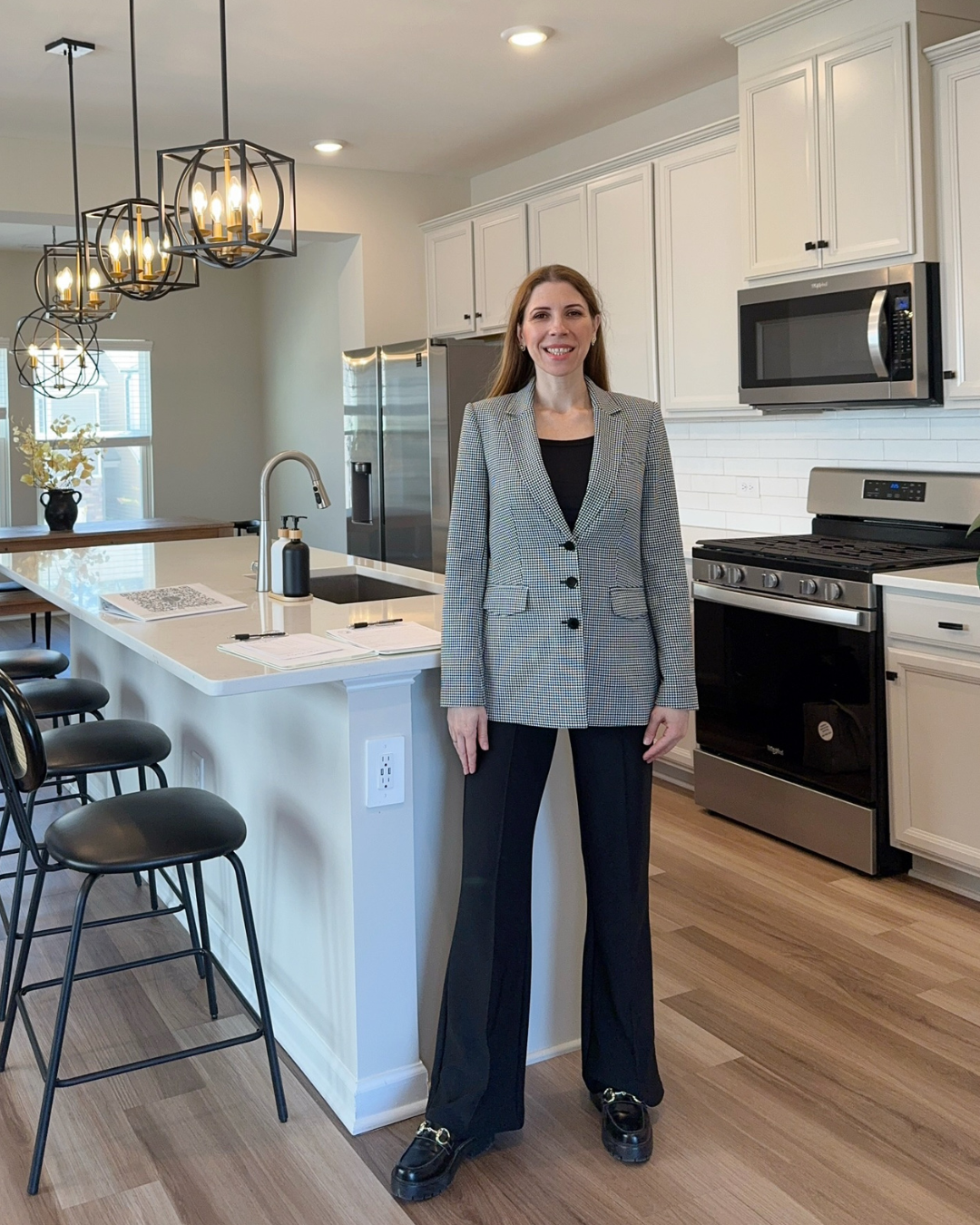
I’ve worked with relocation buyers from across the United States. Whether you’re 3 months out or actively searching, a 30-minute call will give you a clear picture — neighborhoods, budget reality, timeline and how the remote process works.
Anna Rukhlina · Real Estate Broker · DASH Carolina
Free 30-minute relocation consultation
919-332-6256 · English & Russian
[email protected]