First-Time Home Buyers Guide for Raleigh, Cary & the Triangle Area
Buying Your First Home in North Carolina?
Buying your first home can feel overwhelming. From mortgage pre-approval and down payment requirements to inspections, negotiations, and closing costs, there are many steps involved.
This guide explains how the process works and what first-time buyers should know before purchasing a home in Raleigh, Cary, Apex, Durham, Wake Forest, Holly Springs, and surrounding communities.
Why Buy a Home Instead of Renting?
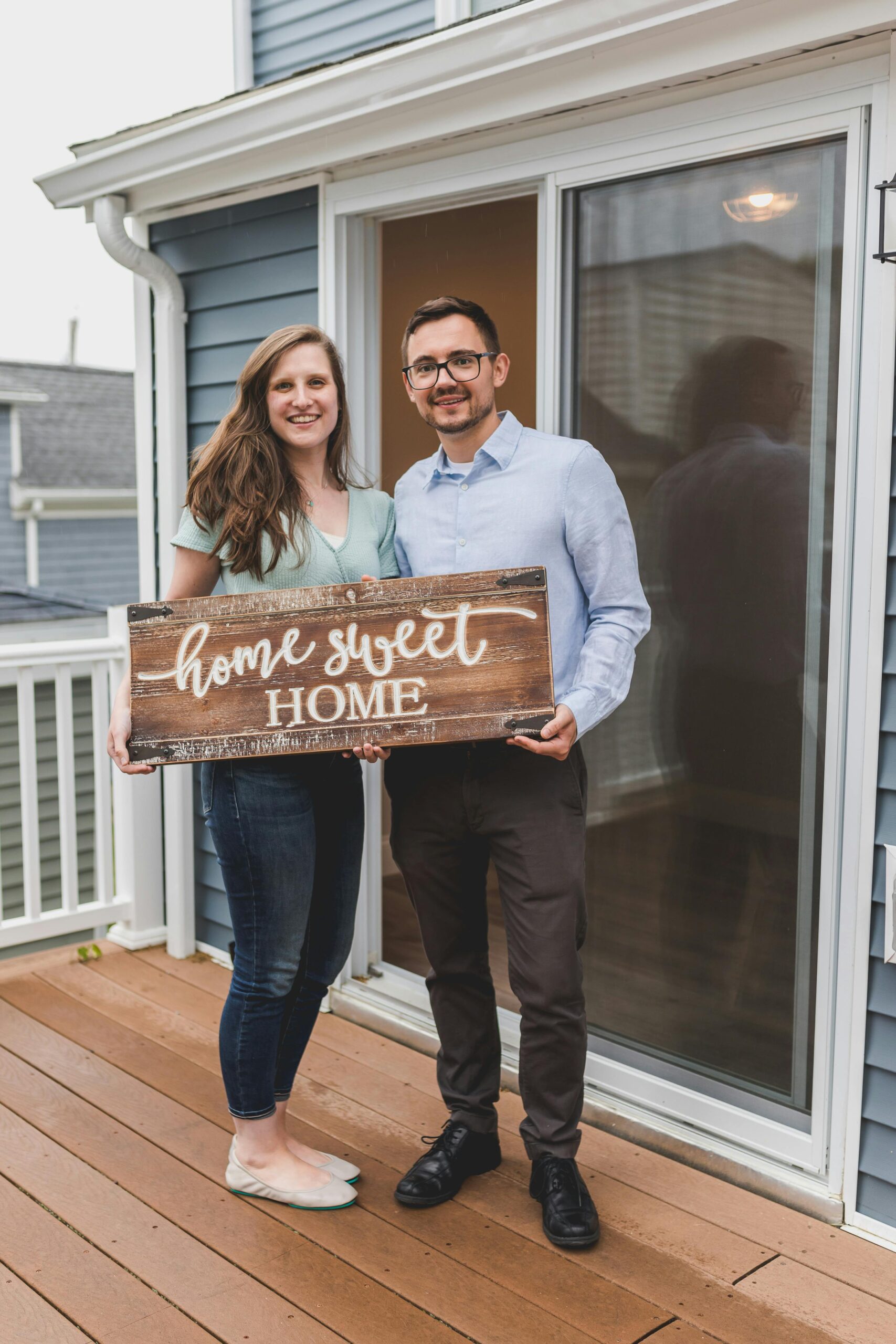
Homeownership is not the right choice for everyone, but many buyers choose to purchase a home because it can provide long-term financial and lifestyle benefits.
The decision to rent or buy depends on your financial goals, job stability, lifestyle, and how long you expect to stay in the area.
First-Time Home Buying Process
From pre-approval through closing day, most home purchases in North Carolina follow a similar process.
| Step | What Happens | |
|---|---|---|
| 1 | Get Pre-Approved | Before looking at homes, most buyers should speak with a lender to determine how much they may qualify to borrow and what financing options may be available. |
| 2 | Determine Your Budget | Your budget should include more than just the monthly mortgage payment. Property taxes, insurance, HOA dues, utilities, maintenance, and closing costs should all be considered. |
| 3 | Choose Locations | Identify communities that fit your budget, commute preferences, lifestyle, and housing goals. |
| 4 | Tour Homes | View homes that meet your criteria and compare neighborhoods, property conditions, and market value. |
| 5 | Submit an Offer | Once you find a property that fits your needs, your agent will help prepare and negotiate an offer. |
| 6 | Due Diligence Period | After the contract is accepted, buyers enter the Due Diligence Period to evaluate the property and finalize financing. |
| 7 | Inspections | Schedule inspections and review any concerns identified by inspectors. |
| 8 | Loan Approval | Your lender completes underwriting and prepares final loan approval. |
| 9 | Final Walkthrough | Before closing, buyers typically complete a final walkthrough to verify the property’s condition. |
| 10 | Closing Day | Documents are signed, funds are transferred, and ownership officially changes hands. |
For a detailed explanation of each step, see our North Carolina Home Buying Guide.
How Much Money Do I Need to Buy a Home?
One of the most common questions first-time buyers ask is: “How much money do I actually need?” Many buyers believe they need a 20% down payment. In reality, down payment requirements vary depending on the loan program, lender requirements, credit profile, and financial situation.
Example Down Payments
| Home Price | 3% Down | 5% Down | 10% Down |
|---|---|---|---|
| $350,000 | $10,500 | $17,500 | $35,000 |
| $450,000 | $13,500 | $22,500 | $45,000 |
| $550,000 | $16,500 | $27,500 | $55,000 |
Actual loan requirements vary by lender and loan program. Buyers should speak directly with a lender to determine available financing options.
Costs Many First-Time Buyers Don’t Expect
Many first-time buyers focus only on the down payment and overlook other expenses that may be part of the transaction.
- Due Diligence Fee
- Earnest Money Deposit
- Home Inspection
- Radon Testing
- Termite Inspection
- Appraisal
- Moving Expenses
- Utility Deposits
- Furniture and Appliances
- Initial Repairs and Maintenance
For example, a buyer purchasing a $450,000 home may need significantly more cash than the down payment alone once inspections, closing costs, and transaction-related expenses are included. Every situation is different — review expected costs with both your lender and real estate agent before making an offer.
Typical Closing Costs
Most buyers should plan for closing costs in addition to the down payment. Closing costs may include attorney fees, lender fees, appraisal, title insurance, recording fees, prepaid property taxes, homeowners insurance, and escrow funding requirements.
Typical Inspection Costs in North Carolina
| Service | Typical Range |
|---|---|
| Home Inspection | $400–$700 |
| Radon Test | $150–$250 |
| Termite Inspection | $75–$150 |
| Sewer Scope (if applicable) | $250–$500 |
Not every property requires every inspection. Recommendations vary based on property condition, age, location, and buyer concerns.
Monthly Homeownership Costs
When comparing renting versus buying, it is important to understand the full cost of homeownership. In addition to the mortgage payment, homeowners may be responsible for:
- Property taxes
- Homeowners insurance
- HOA dues
- Utilities
- Lawn maintenance
- Routine repairs
- Emergency maintenance expenses
Monthly housing costs vary significantly between communities and property types throughout the Triangle.
First-Time Buyer Programs in North Carolina
Some buyers may qualify for state, local, or lender-sponsored assistance programs.
NC Home Advantage
A state-sponsored mortgage program that may offer competitive financing options and down payment assistance for qualified North Carolina buyers.
NC 1st Home Advantage
Designed for eligible first-time buyers and military veterans who meet program requirements.
County and Local Assistance Programs
Some counties and municipalities may offer down payment assistance or closing cost assistance programs. Eligibility requirements, income limits, and purchase price caps may apply.
Because program availability changes over time, buyers should verify eligibility directly with a lender.
Can I Buy a Home With Less Than 20% Down?
Yes. One of the biggest misconceptions among first-time buyers is that a 20% down payment is required. Depending on qualifications, some buyers may be eligible for:
- Conventional loans with low down payment options
- FHA loans
- VA loans for eligible veterans and service members
- USDA loans in eligible rural areas
- State and local assistance programs
The best financing option depends on individual circumstances and should be discussed with a lender.
What Can Different Budgets Buy in the Triangle?
Under $400,000
Buyers in this range often focus on townhomes, smaller single-family homes, and communities farther from central Raleigh.
$400,000–$500,000
This range often provides access to newer townhomes and entry-level single-family homes.
- Fuquay-Varina
- Wake Forest
- Knightdale
- Garner
- Clayton
- Parts of Durham
$500,000–$700,000
Buyers typically gain access to a larger selection of homes and neighborhoods.
$700,000+
This range generally includes larger homes, premium neighborhoods, and greater new construction inventory.
- Cary
- West Apex
- North Raleigh
- Chapel Hill
- Morrisville
- Communities near RTP
Inventory changes frequently, and actual availability depends on market conditions.
Best Areas for First-Time Buyers
Apex
Known for strong schools, new construction opportunities, parks, and a family-oriented atmosphere.
Wake Forest
Offers more home for the money than some central Triangle locations while maintaining access to Raleigh.
Holly Springs
A rapidly growing community with newer neighborhoods, parks, and convenient access to western Wake County.
Durham
Provides diverse housing options, RTP access, and entry-level opportunities that may not be available elsewhere in Wake County.
Clayton
Popular with buyers seeking affordability and newer construction communities east of Raleigh.
Wendell
Offers newer neighborhoods and lower entry price points compared with many western Wake County communities.
How to Choose the Right Area
Many first-time buyers ask: “Where should I live in the Triangle?” The answer depends on your priorities.
- If commute time is most important, communities near RTP such as Cary, Morrisville, western Durham, and parts of Apex may be attractive.
- If maximizing home size and value is a priority, buyers often explore Wake Forest, Clayton, Wendell, and Fuquay-Varina.
- Buyers seeking walkability, established neighborhoods, and proximity to employment centers may prefer Raleigh, Cary, or Durham.
Rather than searching for the “best” city, it is often more helpful to identify the right balance of budget, commute, schools, lifestyle preferences, and housing type.
New Construction for First-Time Buyers
Many first-time buyers consider new construction because of modern layouts, builder warranties, energy efficiency, and potential builder incentives.
Advantages of New Construction
- Builder warranties
- Modern floor plans
- Energy-efficient systems
- Lower maintenance during early ownership
- New appliances and systems
- Builder financing incentives
Advantages of Resale Homes
- Established neighborhoods
- Mature landscaping
- Potentially larger lots
- Greater location variety
- Character and architectural diversity
However, buyers should also understand builder contracts, upgrade costs, lot premiums, HOA requirements, construction timelines, and financing considerations. Builder sales representatives represent the builder — independent representation can help buyers evaluate options and navigate the contract process.
The best choice depends on budget, timeline, location preferences, and personal priorities. See the New Construction Hub for active communities.
Understanding Due Diligence in North Carolina
North Carolina uses a Due Diligence system that differs from many other states. The Due Diligence Period gives buyers time to:
- Conduct inspections
- Review disclosures
- Secure financing
- Evaluate repair concerns
- Confirm the property meets their needs
Why Due Diligence Matters
Many buyers relocating from states such as California, New York, New Jersey, Maryland, Virginia, and Florida are unfamiliar with North Carolina’s Due Diligence system. Understanding how Due Diligence works before submitting an offer can help buyers reduce risk, make informed decisions, negotiate more effectively, and avoid unexpected surprises during the transaction.
For a complete explanation, see our North Carolina Home Buying Guide.
Common First-Time Buyer Mistakes
Many first-time buyers make avoidable mistakes during the home search process. Being informed and prepared can help buyers avoid costly mistakes.
Moving to North Carolina and Buying Your First Home?
Many of my first-time buyers are relocating from:
Common relocation questions include how property taxes compare, whether HOA communities are common, how school assignments work, what Due Diligence means, whether new construction is a good option, which Triangle communities fit their budget, and how long the buying process takes.
Related resources
About Anna Rukhlina
Anna Rukhlina is a licensed North Carolina real estate broker with DASH Carolina serving buyers throughout Raleigh, Cary, Apex, Wake Forest, Holly Springs, Durham, Clayton, Wendell, and surrounding Triangle communities.
She works with first-time home buyers, relocating families, out-of-state buyers, and new construction purchasers. Whether you’re buying your first home, comparing neighborhoods, or trying to understand North Carolina’s unique Due Diligence process, Anna can help you navigate the market and make informed decisions.
Frequently Asked Questions
Ready to Buy Your First Home?
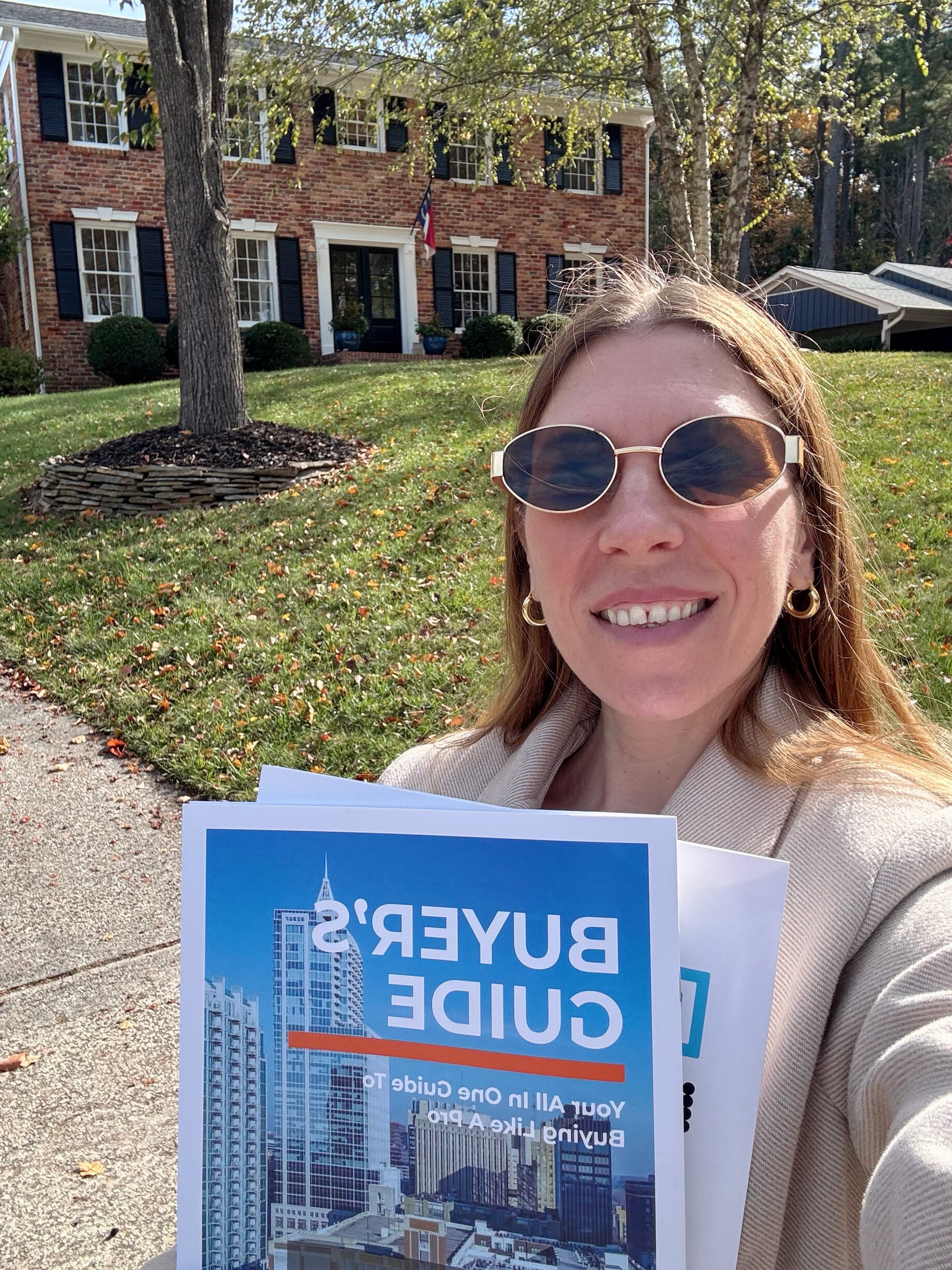
Whether you’re just beginning your research or are ready to start touring homes, I can help you understand neighborhoods, financing options, home prices, new construction opportunities, and the North Carolina home buying process.
Anna Rukhlina
Real Estate Broker · DASH Carolina
919-332-6256