Triangle NC Communities & Lifestyle Guides
Choosing where to live in the Triangle can be one of the most important — and most difficult — parts of a relocation decision. The region spans dozens of distinct cities and communities, each with its own character, housing stock, commute patterns, and lifestyle.
Cary is not the same as Apex. Wake Forest is not the same as Holly Springs. Morrisville offers a different experience than North Raleigh. And what works well for a remote worker with a flexible schedule looks very different from what works for someone commuting to RTP five days a week.
Free 30-minute consultation · English & Russian
Anna Rukhlina · Real Estate Broker · DASH Carolina
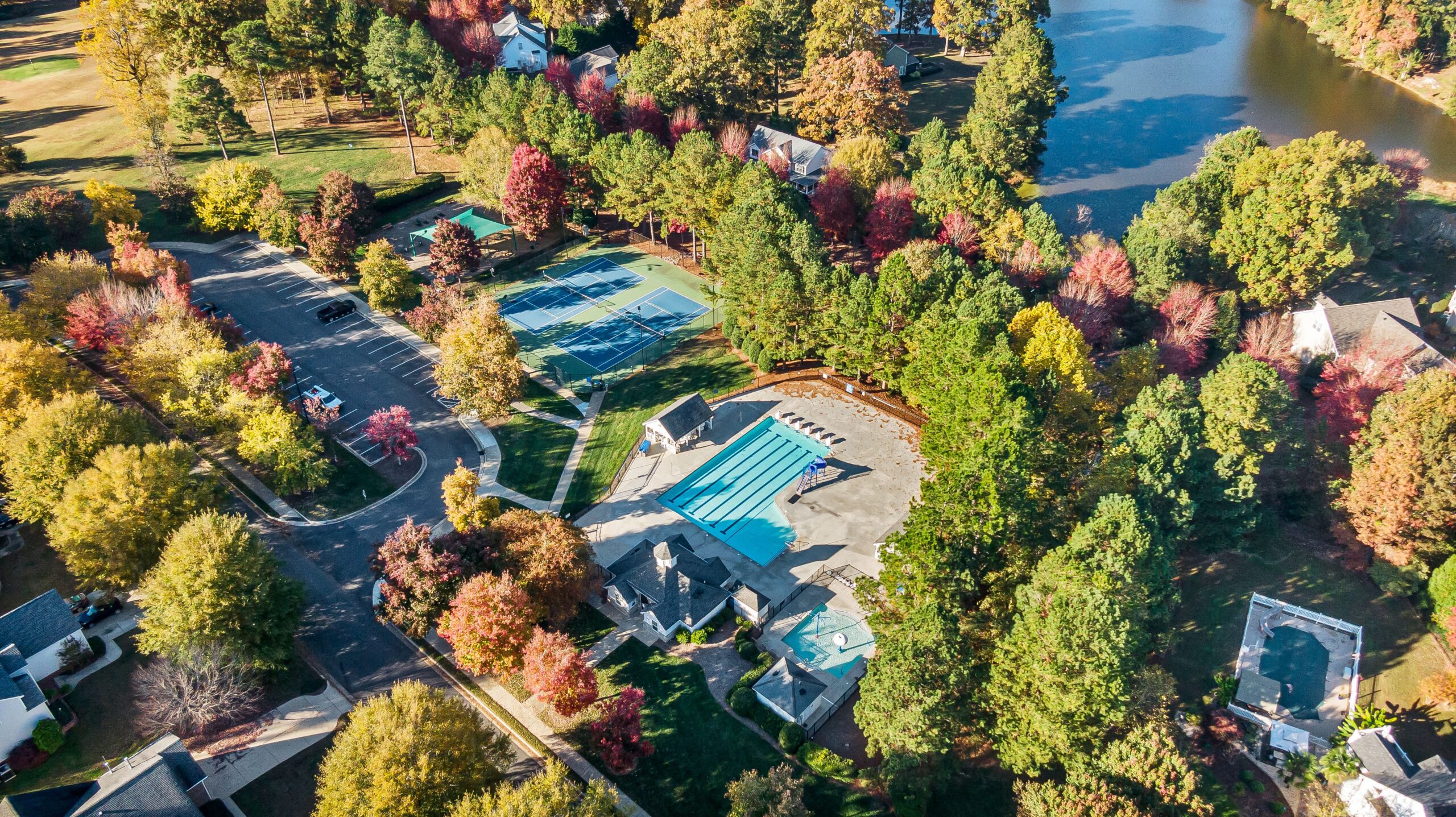
Find the Right Triangle Community for Your Life
This section brings together community guides, area comparisons, and lifestyle-focused resources to help you understand the differences — and find the right fit for your priorities, budget, and day-to-day life.
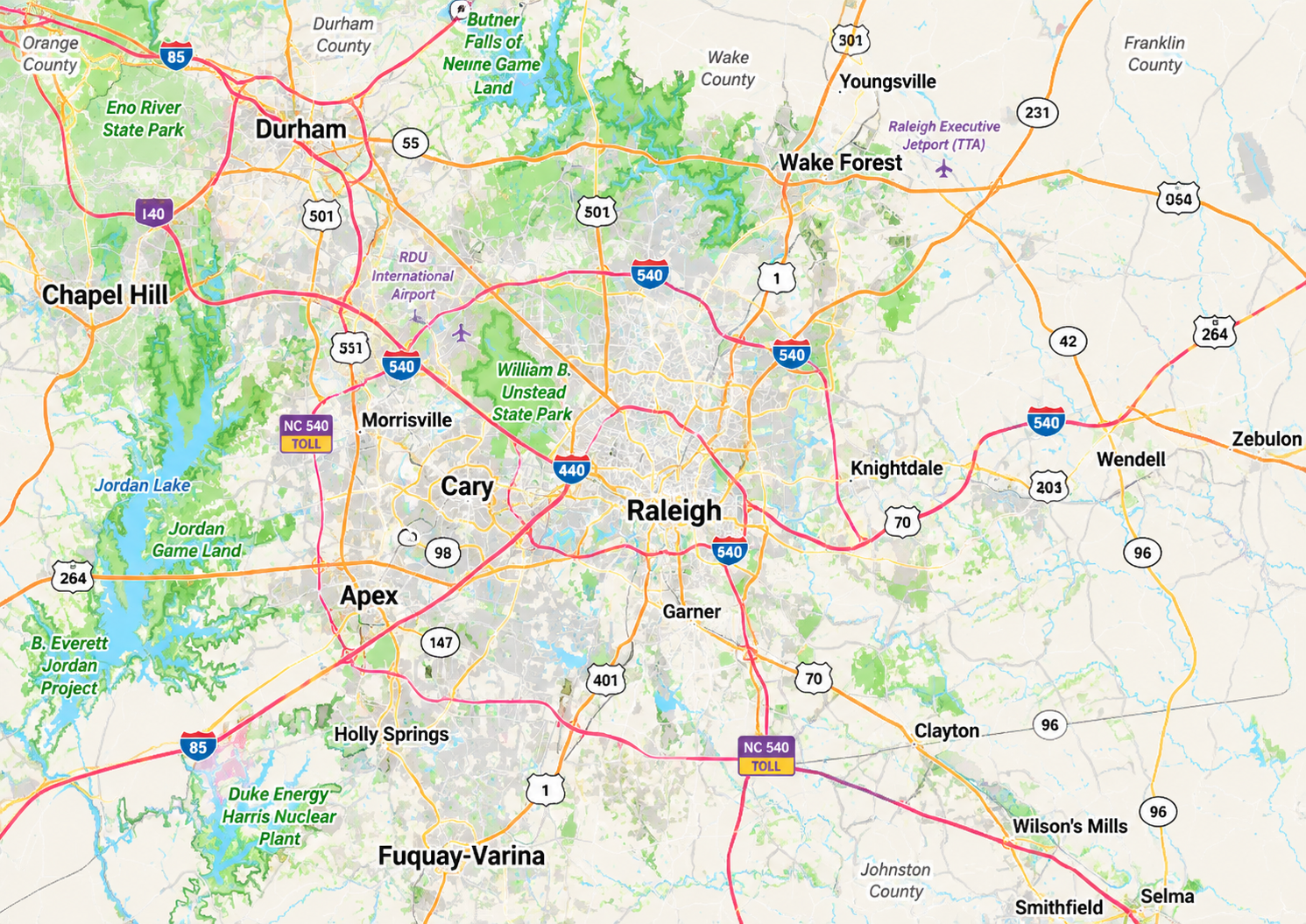
Best Places to Live
Best Places Near RTP
Communities with short, manageable commutes to Research Triangle Park — one of the largest research and technology parks in North America.
Read guide →Best Places Near Duke University
Communities with convenient access to Duke University and Duke Health — popular with healthcare, research, and academic buyers.
Read guide →Best Places Near UNC
Communities within reach of UNC Chapel Hill and UNC Health — ideal for university employees, medical staff, and graduate students.
Read guide →Best Areas for Remote Workers
Neighborhoods and towns that work well for work-from-home lifestyles — from home office space and reliable fiber internet to coffee shops, greenways, and airport access.
Read guide →Best Areas Near RDU Airport
Convenient access to Raleigh-Durham International Airport for frequent travelers, hybrid workers, and buyers who prioritize travel connections.
Read guide →Best Small Towns Near Raleigh
Smaller communities within reach of Raleigh that offer more space, lower entry prices, and a quieter pace without giving up Triangle access.
Read guide →Compare Popular Areas
Not sure which community is the right fit? Side-by-side comparisons of the most frequently asked about areas.
Lifestyle Guides
Best Walkable Areas in the Triangle
Communities with walkable downtowns, retail, dining, and pedestrian-friendly infrastructure.
Explore →Areas Near Greenways
The Triangle has an extensive and growing greenway network. Communities with the best trail access for cyclists, runners, and families.
Explore →Areas With Larger Lots
For buyers who prioritize outdoor space, privacy, or room to build — communities where larger homesites are common at reasonable prices.
Explore →Areas Near Jordan Lake
Communities within easy reach of Jordan Lake State Recreation Area — a popular destination for boating, fishing, hiking, and outdoor recreation in western Wake and Chatham counties.
Explore →Areas Near Downtown Raleigh
Established neighborhoods and newer communities with convenient access to Downtown Raleigh’s restaurants, arts, entertainment, and employment.
Explore →Best Areas for First-Time Buyers
Affordable entry points, townhome communities, starter homes, and USDA-eligible areas across the Triangle.
Explore →Best Communities for Downsizing
Low-maintenance living, ranch-style homes, townhomes, and communities that offer easier upkeep and convenient access to daily amenities.
Explore →Explore Triangle Cities
Looking for a deep dive on a specific city? Explore individual area guides covering housing, commute, lifestyle, schools, and new construction.
Schools in the Triangle
School assignments are determined by a specific property address — not simply by city name. Parts of Cary, Apex, Fuquay-Varina, and other Triangle communities may be served by different school districts depending on location. Magnet programs, charter schools, and district boundaries can all affect school options.
New Construction Communities
Many Triangle buyers — especially those relocating from out of state — choose new construction for modern floor plans, energy efficiency, builder warranties, and move-in flexibility.
Active new construction communities are available in Cary, Apex, Holly Springs, Wake Forest, Fuquay-Varina, Wendell, Knightdale, Zebulon, and Clayton across a range of price points and builder programs.
How Most Buyers Narrow Their Search
With dozens of Triangle communities to consider, most buyers find it helpful to work through a short list of practical questions before diving into listings.
- Start with commute requirements. If you’re commuting to RTP, Duke, UNC, Downtown Raleigh, or RDU — that shapes the geography immediately. If you’re fully remote, the map opens up significantly.
- Identify a realistic budget. Entry prices vary considerably across the Triangle. Eastern communities such as Clayton and Wendell often offer lower entry points, while Cary and Apex are generally among the higher-priced markets in the region. Knowing your range narrows the field quickly.
- Decide between new construction and resale. New construction offers modern floor plans and warranties but often requires flexibility on timeline and location. Resale offers more established neighborhoods, mature landscaping, and faster closings.
- Compare 2–3 communities that fit your priorities. Most buyers end up seriously considering 2–3 areas before committing. Side-by-side comparisons help surface the trade-offs that matter most to you.
- Tour homes before making a final decision. Virtual tours and video walkthroughs have made remote purchasing more accessible, but a firsthand look at the neighborhood, commute route, and community feel is valuable when possible.
A 30-minute conversation with a local agent can often cut this process in half.
Frequently Asked Questions
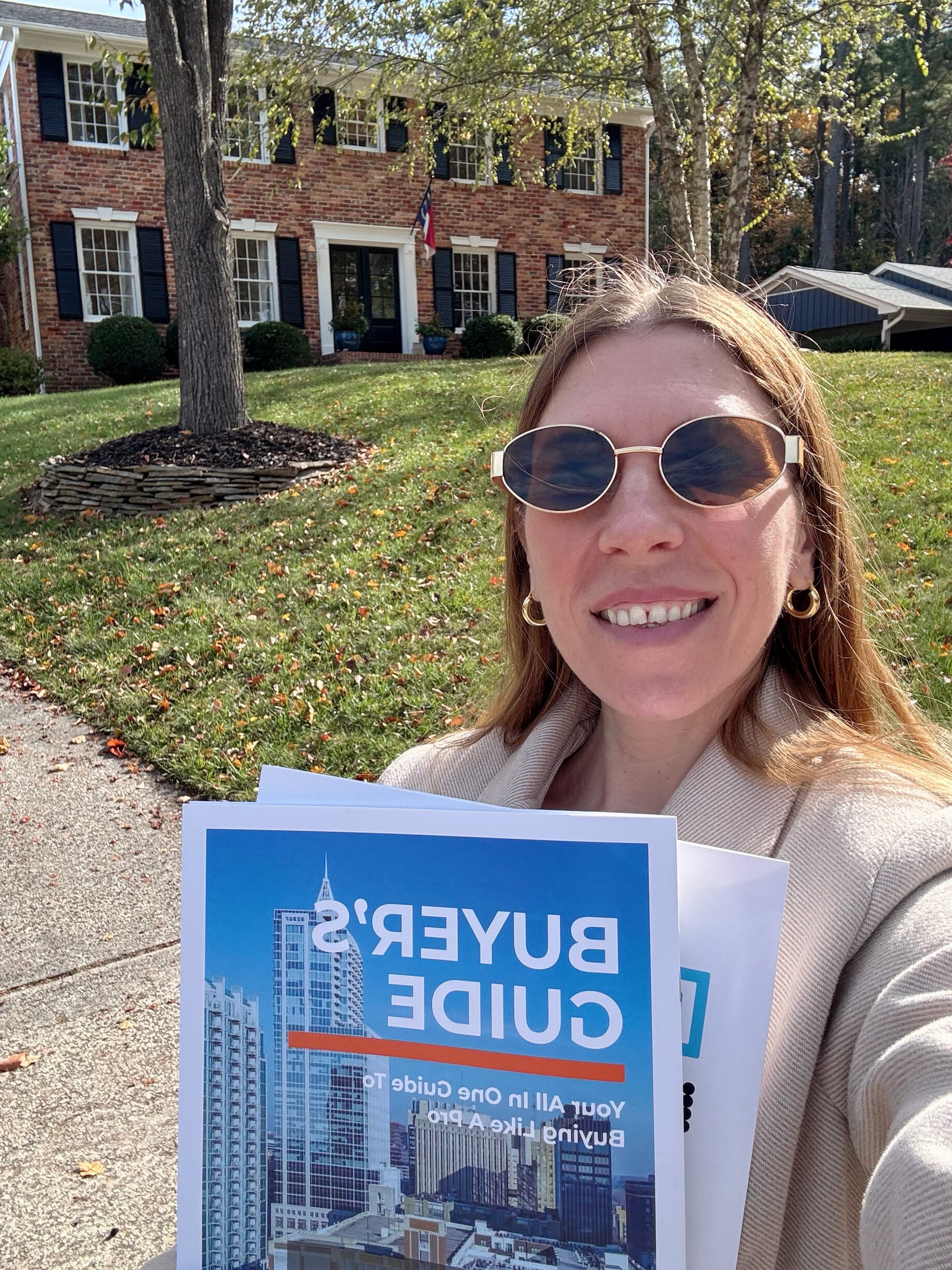
Not Sure Which Triangle Community Is Right for You?
A 30-minute conversation can narrow dozens of options to the 2–3 areas worth your time — based on commute, budget, schools, and lifestyle priorities.