Living & Buying
in Chapel Hill, NC
One of the Triangle’s most established and prestigious markets — known for UNC, top-rated schools, mature neighborhoods, and deliberately limited housing supply.
Free 30-minute consultation · English & Russian
Anna Rukhlina · Realtor® · DASH Carolina · Orange County & Chapel Hill Area
Chapel Hill Real Estate at a Glance
Chapel Hill is one of the Triangle’s most established and prestigious housing markets — shaped by UNC, Chapel Hill-Carrboro City Schools, mature neighborhoods, and deliberately limited new development.
Chapel Hill NC Real Estate Overview
Chapel Hill, NC (~60,000 residents) sits in Orange County and anchors the western Triangle with Carrboro. It is a supply-constrained, university-driven market where the core segment is $700,000–$1,200,000, inventory is far smaller than in Cary or Apex, and most homes are established single-family properties in strong school zones.
Buyers choose Chapel Hill for CHCCS schools, UNC and UNC Health employment, walkability, and long-term price resilience — not for large-scale new construction or the widest inventory selection in the Triangle.
Chapel Hill rewards buyers who understand limited inventory, school-zone pricing, and university-driven demand. When the right home appears, prepared buyers with clear budgets and verified school assignments have a meaningful advantage in this market.
What Makes Chapel Hill Different?
Chapel Hill is not a mass-market suburb. Unlike rapidly expanding areas like Apex, Cary, or parts of Durham, Chapel Hill has significantly less large-scale development and a much smaller overall housing inventory — by design.
Limited Inventory
Fewer homes come to market each year than in Cary, Raleigh, Durham, or Apex — which means more competition when the right property appears.
Established Over Expanding
Most of Chapel Hill is established neighborhoods, wooded custom lots, and long ownership histories — not large builder subdivisions at the scale of west Cary or Apex.
University-Driven Demand
UNC-Chapel Hill, UNC Health, and the academic community create a stable buyer pool that persists regardless of broader market fluctuations.
Prestige & Lifestyle Appeal
Academic culture, natural beauty, walkability, and dining draw buyers who prioritize lifestyle over the lowest price per square foot.
Natural Character Preserved
Wooded homesites, tree preservation, and lower density give Chapel Hill a distinctly different physical character than newer Triangle suburbs.
Schools & Long-Term Value
Chapel Hill-Carrboro City Schools are consistently among North Carolina’s highest-rated — a primary motivation for many buyers choosing this market.
Chapel Hill Housing Market Overview
Chapel Hill is one of the more expensive markets in the Triangle, with pricing driven by school demand, university influence, and limited land availability rather than builder volume.
| Segment | Typical Price Range | Notes |
|---|---|---|
| Condos & smaller townhomes | $350K–$600K | Limited supply; common near UNC and Southern Village |
| Mid-range established homes | $700K–$1.2M | Most active segment; strong school-zone demand |
| Newer or larger family homes | $1.2M–$2M | Limited availability; often custom or infill |
| Luxury / custom estates | $2M+ | Wooded lots, private settings, executive buyers |
Important: Chapel Hill inventory is significantly smaller than in Cary, Apex, or Raleigh. Active listings at any given time are a fraction of what buyers see in growth suburbs — plan to move quickly when the right property appears.
Areas of Chapel Hill
Chapel Hill neighborhoods each carry a distinct character — from university-adjacent central Chapel Hill to family-oriented Southern Village and wooded North Chapel Hill estates.
Central Chapel Hill
The most prestigious segment — proximity to UNC, walkability to Franklin Street, and historic homes. Pricing is often driven by location and character more than square footage.
Neighborhoods include Meadowmont, Greenwood, Laurel Hill, and university-adjacent areas with the highest price premiums in town.
Typical range: $700K–$2M+
Southern Village & South Chapel Hill
A more suburban feel while still in CHCCS. Southern Village is a well-known community-oriented development with townhomes, single-family homes, and walkable amenities — popular with faculty families and UNC healthcare professionals.
Mix of townhomes and detached homes; often the best relative value within Chapel Hill proper.
Typical range: $500K–$1.2M
North Chapel Hill
Larger wooded homesites, luxury custom homes, and lower density. Attracts executive buyers, senior faculty, and healthcare leadership who prioritize privacy and natural setting over walkability.
Lots often 0.5–2+ acres; mature tree canopy and established executive communities.
Typical range: $900K–$3M+
Anna Rukhlina · Realtor® · DASH Carolina
Searching for a Home in Chapel Hill?
Free 30-minute consultation — compare neighborhoods, CHCCS school assignments, price segments, and inventory reality in English or Russian.
New Construction in Chapel Hill
Chapel Hill is not experiencing a builder boom. Buyers expecting the scale of new construction in Apex, Holly Springs, or west Cary will find very limited options here.
Limited Large-Scale Development
Infill & Custom Homes
Boutique Communities
Compare Apex & Holly Springs
- No large master-planned communities comparable to Apex or west Cary
- Major production builders have minimal presence in Chapel Hill proper
- Available new construction is usually infill, luxury custom, or small 10–40 home projects
- Townhome projects are limited — often near Southern Village or transit corridors
If production-builder new construction at scale is a priority, nearby markets like Apex, Holly Springs, or Southwest Durham offer significantly more inventory at lower price points.
What Can You Buy in Chapel Hill?
Chapel Hill pricing reflects limited inventory, school demand, and a university lifestyle premium. Here is a realistic breakdown by budget range.
| Price Range | Typical Options |
|---|---|
| Under $500,000 | Very limited — mostly condos, smaller townhomes, or older properties farther from the most desirable school zones |
| $700,000–$1,200,000 | Core market — established single-family homes in wooded neighborhoods; verify CHCCS assignment by address |
| $1,200,000–$2,000,000 | Larger renovated homes, newer infill construction, and premium locations — limited supply moves quickly |
| $2,000,000+ | North Chapel Hill luxury — wooded estate lots, architect-designed homes, executive and academic buyers |
Full process: North Carolina home buying guide
UNC & the Chapel Hill Lifestyle
No other factor shapes Chapel Hill real estate as profoundly as the University of North Carolina. UNC is the economic, cultural, and social engine of the entire community.
Healthcare & Research Employment
UNC Health and the School of Medicine employ physicians, researchers, nurses, and administrators — a remarkably stable buyer segment.
Academic Community Demand
Faculty, staff, graduate researchers, and university administration form durable demand that supports pricing through market cycles.
Restaurants, Culture & Walkability
Franklin Street, Carrboro, and nearby dining create a lifestyle many Triangle suburbs cannot replicate.
Parks, Trails & Natural Environment
Greenways, nature preserves, Jordan Lake access, and mature tree canopy contribute to quality of life and pricing premiums.
Schools in Chapel Hill
Chapel Hill-Carrboro City Schools (CHCCS) is a separate district from Wake County and consistently ranked among the very best in North Carolina — one of the most significant reasons buyers choose Chapel Hill over comparably priced homes elsewhere.
Chapel Hill-Carrboro City Schools (CHCCS)
High academic performance, strong extracurricular programs, and deep community investment. School zone assignment directly impacts home values — arguably more so than in Cary or Raleigh.
Verify Assignment Before You Buy
School assignments are address-specific and can change. Always verify current assignments for a specific property before making an offer.
Compare public, charter, magnet, and private school data across North Carolina.
A Different Kind of Triangle Market
Chapel Hill does not follow the same patterns as growth suburbs. Understanding its character helps set realistic expectations for buying here.
More Established, Less Developed
The market is defined by mature neighborhoods and long-owned properties — not large annual additions of new subdivisions.
Inventory-Constrained by Design
Limited land, preservation culture, and municipal policies contribute to structurally smaller inventory that will not change quickly.
Price Resilience Over Time
University-driven demand and supply constraints have historically supported values better than high-growth suburbs during downturns.
Lifestyle-Driven Buyers
Many buyers prioritize schools, community, and culture over the cheapest RTP commute — supporting long-term neighborhood stability.
Commuting from Chapel Hill
Chapel Hill is attractive for UNC and UNC Health employees, Duke and RTP commuters, and buyers who want Orange County schools with Triangle access.
| Destination | Drive Time | Notes |
|---|---|---|
| Carrboro | 5–10 Minutes | Adjacent; often one market with Chapel Hill |
| Durham | 20–25 Minutes | Duke University & downtown Durham |
| Research Triangle Park (RTP) | 20–30 Minutes | Via US-15/501, NC-54, or I-40 |
| RDU International Airport | 25–35 Minutes | Depending on traffic and route |
| Cary | 25–35 Minutes | Wake County; strong suburban inventory |
| Raleigh | 40–50 Minutes | Downtown Raleigh |
Chapel Hill connects to the wider Triangle via US-15/501, NC-54, and I-40. Chapel Hill Transit and bike infrastructure offer alternatives for UNC and campus-area commutes.
Chapel Hill vs Cary, Durham & Apex
Chapel Hill occupies a unique position — not the largest or most affordable Triangle market, but often the most stable and lifestyle-focused for CHCCS buyers.
| Feature | Chapel Hill | Cary | Durham | Apex |
|---|---|---|---|---|
| School district | CHCCS (top-rated) | Wake County | Varies by area | Wake County |
| Housing inventory | Smallest | Large | Wide range | High |
| New construction | Very limited | Strong (west Cary) | Moderate–strong | Highest in Triangle |
| Price level | Premium | High | Wide range | Moderate–high |
| RTP commute | 20–30 min | 15–25 min | 15–25 min | 20–30 min |
| Lifestyle / university | UNC-centered | Suburban family | Duke + urban mix | Suburban growth |
| Long-term resilience | Strong | Strong | Growing | Growth-driven |
Who Should Consider Chapel Hill?
Chapel Hill may be an excellent fit for buyers who prioritize schools, university culture, and long-term stability over the widest inventory or lowest price per square foot.
Buyers needing large-scale new construction or maximum inventory may also explore Pittsboro, Apex, or Holly Springs while keeping Chapel Hill on the comparison list for schools and lifestyle.
Frequently Asked Questions About Chapel Hill, NC
- UNC faculty, researchers, and university staff
- UNC Health physicians, nurses, and hospital administration
- Graduate students and professional-degree candidates (often condos/townhomes)
- Medical residents, fellows, and postdoctoral researchers
- Families prioritizing CHCCS schools (verify assignment by address)
- Relocation buyers from higher-cost metros comparing university-town value
Compare Nearby Triangle Communities
Not sure Chapel Hill is the right fit? Explore other Triangle cities and towns — each guide covers a separate municipality, not a Chapel Hill neighborhood.
Note: The communities below are other cities and towns in the Raleigh-Durham-Chapel Hill region — not neighborhoods inside Chapel Hill.


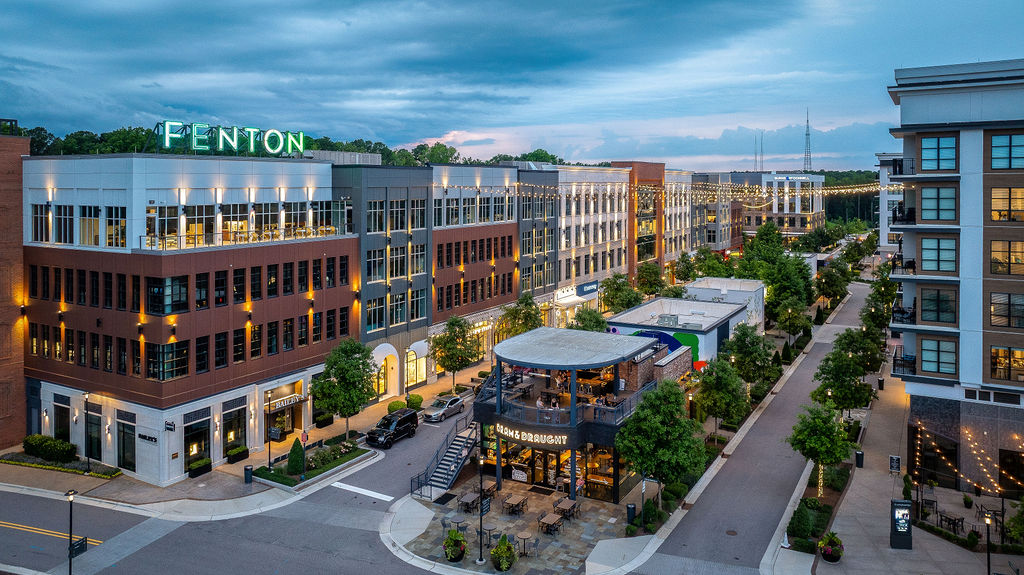

Thinking About Buying in Chapel Hill?
Chapel Hill’s limited inventory means preparation matters more here than in almost any other Triangle market. When the right property appears, informed and pre-approved buyers have a real advantage. Let’s talk through your goals, budget, school priorities, and timeline before the search begins.
Anna Rukhlina · 919-332-6256 · [email protected] · Mon–Sun 8am–10pm