Home Selling Timeline in the Triangle
How long does it take to sell a home in Raleigh, Cary, Apex, and across the Triangle?
Most sales take 60 to 90 days from decision to close — but preparation, pricing, and market conditions can shorten or extend that window. This guide walks through each stage so you can plan ahead and stay in control.
The Home Selling Timeline at a Glance
| Stage | Typical Duration |
|---|---|
| Pre-listing preparation | 2–8 weeks |
| Active on market | Varies by pricing, condition, and local demand |
| Offer negotiation | 1–3 days |
| Due diligence period | 14–30 days |
| Appraisal | 1–2 weeks (within due diligence) |
| Final walkthrough & closing | 1–3 days before close |
A well-prepared, correctly priced home can go under contract quickly — sometimes within days. Overpriced homes or homes needing work may take several months.
Visual Timeline: Week by Week
| Period | What Happens | |
|---|---|---|
| 1 | Weeks 1–4 | Prepare Your Home — Repairs · Declutter · Stage · Photos · CMA |
| 2 | Week 5 | Go Live on Market — MLS · Zillow · Redfin · Showings Begin |
| 3 | Weeks 5–7 | Showings & Offers — Buyer Activity · Negotiation · Under Contract |
| 4 | Weeks 6–10 | Due Diligence Period — Inspection · Appraisal · Mortgage Processing |
| 5 | Weeks 8–12 | Clear to Close → Closing Day — Final Walkthrough · Signing · Keys Handed Over |
Fastest Possible Timeline
How fast can it actually go?
| Scenario | Time from Listing Decision to Close |
|---|---|
| Cash buyer, home already prepared | 3–4 weeks |
| Cash buyer, prep needed | 5–7 weeks |
| Financed buyer, strong offer | 6–8 weeks |
| Typical Triangle sale | 8–12 weeks |
| Delayed by inspection or appraisal issues | 12–16 weeks |
The fastest deals happen when a prepared home meets a motivated cash buyer with a short due diligence period. The slowest deals usually involve deferred maintenance discovered at inspection, or financing complications late in the process.
Pre-Listing Preparation (2–8 Weeks)
This is the stage most sellers underestimate. Everything before the home hits the market determines how well it performs once it does.
What happens
- Repairs and maintenance are addressed
- Home is decluttered, depersonalized, and deep cleaned
- Staging decisions are made
- Your agent prepares a Comparative Market Analysis (CMA)
- You agree on a listing price and strategy
- Professional photos are scheduled
- Disclosures are completed (required in North Carolina)
How long it actually takes: A well-maintained home that needs mainly cleaning and decluttering can be ready in two to three weeks. A home with deferred maintenance, significant repairs, or contractor work needed may take six to eight weeks. Starting earlier gives you more control and better options.
Active on Market (Days to Several Weeks)
Once your home is listed on the MLS, the clock starts. How long this stage lasts varies more than any other part of the process — a well-prepared, correctly priced home can go under contract in a single day. Homes that are overpriced or need work can sit for three to four months, sometimes longer.
What happens
- Home appears on Zillow, Redfin, Realtor.com, and all connected sites
- Showings begin, typically within the first few days
- Your agent monitors showing feedback and buyer interest
- Open houses may be scheduled (depends on your agent’s strategy and your market)
How long should you expect? Rather than a fixed range, it helps to benchmark against median days on market for your area and price point at the time you list — your agent can give you this number. A correctly priced home in a normal market typically performs close to that median. Homes priced significantly above it take longer; homes priced at or just below it often move faster.
If you’re not in a rush, pricing slightly above market is an option — but it comes with a real cost that many sellers underestimate.
Here’s how to read the feedback
- Showings, but no offers — buyers are seeing the home but aren’t compelled to act. This usually points to condition: something they’re seeing in person that the listing didn’t prepare them for. Ask your agent to collect feedback from buyer’s agents after showings.
- No showings — this is almost always a price signal. Listing noticeably above comparable homes in your area significantly reduces the buyer pool seeing your home. The exception: a truly unique property, a low-inventory area, or a high-demand neighborhood where there’s little else available.
Days on market compounds. Buyers and their agents track it. A home that’s been sitting raises an immediate question: what’s wrong with it? Even if the answer is “nothing — it was just priced too high,” the perception is hard to shake. Homes that have been on the market for weeks attract lower offers and more aggressive negotiation than homes that are new.
The goal is to price and prepare so that the active-on-market stage is short. When in doubt, consult your agent — this is exactly the kind of call that local expertise is for.
Offers and Negotiation (1–3 Days)
When offers come in, your agent presents them and walks you through each one. Price is only one term — others matter too.
What to evaluate in an offer
- Purchase price — obvious, but not the only number
- Due diligence fee — in NC, this is a non-refundable payment from buyer to seller at contract (more on this below). A higher due diligence fee signals a more committed buyer.
- Earnest money deposit — held in trust, applied to closing costs or purchase price
- Due diligence period length — shorter is generally better for sellers
- Closing date — does it align with your timeline?
- Financing contingency — cash offers are cleaner; financed offers depend on buyer qualification
- Seller concessions — requests for closing cost assistance reduce your net proceeds
Multiple offers: In competitive conditions, your agent may call for a “highest and best” round — asking all interested buyers to submit their strongest offer by a deadline. This is a common strategy in high-demand Triangle neighborhoods when initial interest is strong.
Negotiation is typically resolved within one to three days. Once both parties sign, you’re under contract.
Due Diligence Period (14–30 Days)
This is the stage most unique to North Carolina, and the one sellers most frequently misunderstand. Understanding it is critical.
What Is the Due Diligence Period in North Carolina?
In North Carolina, the due diligence period is a negotiated window of time — typically 14 to 30 days — during which the buyer has the right to investigate the property and terminate the contract for any reason. During this period, the buyer conducts inspections, orders an appraisal, reviews HOA documents, and completes their mortgage application.
The due diligence fee is a payment the buyer makes directly to the seller at contract — not held in escrow, not refundable if the buyer walks away. It’s the buyer’s payment for the right to the due diligence period. In today’s Triangle market, due diligence fees range from a few hundred dollars to several thousand, depending on competition and the strength of the offer.
- If the buyer terminates during due diligence: They forfeit the due diligence fee but get their earnest money back. As a seller, you keep the due diligence fee and relist the home.
- After due diligence ends: The buyer is committed. If they walk away at this point without a valid contractual reason, they forfeit their earnest money as well.
What Happens During Due Diligence
- Buyer’s inspection: A licensed home inspector examines the property — structure, roof, HVAC, plumbing, electrical, and more. This is normal and expected. No home is perfect. Inspectors find things. What matters is how significant the findings are and how both parties respond.
- Repair negotiations: The buyer may request repairs or a repair credit after the inspection. You’re not obligated to agree to everything — but significant safety or structural items typically require a response. Your agent helps you evaluate what’s reasonable.
- Appraisal: If the buyer is financing, their lender orders an appraisal. The appraiser’s job is to confirm the home is worth the agreed price. If the appraisal comes in below the purchase price, there’s typically a gap to negotiate. (See FAQ for more detail.)
- Mortgage processing: The buyer’s lender is reviewing income, assets, employment, and finalizing loan approval. Delays here are common — lenders frequently request additional documentation.
- HOA review: If your home is in an HOA, the buyer reviews resale documents. Having these ready before listing reduces friction.
Clear to Close & Closing Day
Stage 5: Clear to Close (1 Week Before Closing)
Once the buyer’s lender issues a “clear to close,” the finish line is in sight.
- Closing disclosure is issued — the buyer receives a final breakdown of all costs at least three business days before closing
- Final walkthrough is scheduled — typically the day before or morning of closing, giving the buyer a chance to confirm the home is in the agreed condition
- Closing is scheduled with a North Carolina real estate attorney
Stage 6: Closing Day
Closing is typically straightforward if everything has been handled in the stages before it.
What to expect
- Sellers may sign documents separately from buyers or at the same table, depending on preference and scheduling
- You’ll sign the deed and other transfer documents
- Remaining mortgage balance is paid off from proceeds
- Your net proceeds are disbursed — typically by wire transfer
- Keys are handed over
Timing: Closing usually takes 30–60 minutes. Funds are typically disbursed the same day, though sometimes the following business day depending on when recording happens.
What Can Delay Your Closing?
Most closing delays are predictable — and many are preventable. These are the five most common:
What Compresses the Timeline
Seller Checklist: What to Do at Each Stage
Before Listing
- Request a CMA from your agent
- Complete NC Seller Disclosure Statement
- Address repairs and maintenance
- Declutter and depersonalize
- Schedule professional photography
- Gather HOA resale documents (if applicable)
- Agree on listing price and strategy
Under Contract
- Confirm due diligence fee received
- Order HOA resale packet if not already done
- Be available for buyer’s inspector (leave the home)
- Review inspection repair requests with your agent
- Confirm appraisal is scheduled
- Start planning your move-out timeline
Before Closing
- Schedule utility transfer or cancellation
- Complete agreed repairs (get receipts)
- Do a final walkthrough of the home before handover
- Confirm closing time and location with attorney
- Arrange wire transfer details for net proceeds
- Gather all keys, garage codes, and HOA access info
Triangle Market Timeline Considerations
High-Demand Areas
In high-demand areas (Cary, Apex, North Raleigh): Well-priced, well-prepared homes routinely go under contract in the first week, sometimes in the first weekend. Multiple offers shorten negotiation time but can add a day or two of back-and-forth before contract.
New Construction Markets
In new construction markets (Wake Forest, Clayton, parts of Apex): Resale homes compete with builders who can offer flexible closing dates and incentives. Buyers sometimes need more time to decide, which can extend the active-on-market phase.
Relocation Buyers
The Triangle receives significant corporate relocation traffic, particularly from tech and healthcare sectors. Relo buyers often have compressed timelines — they need to close and move quickly — which can be an advantage for sellers willing to accommodate their schedule.
Seasonal Timing
Spring listings move fastest. Fall can also be strong. If you’re listing in winter, expect a slightly longer active-on-market phase, though motivated buyers are still out there.
Frequently Asked Questions
Start with a Clear Plan
Knowing the timeline is step one. Having a strategy for each stage — preparation, pricing, negotiation, and closing — is what gets you to the finish line on your terms.
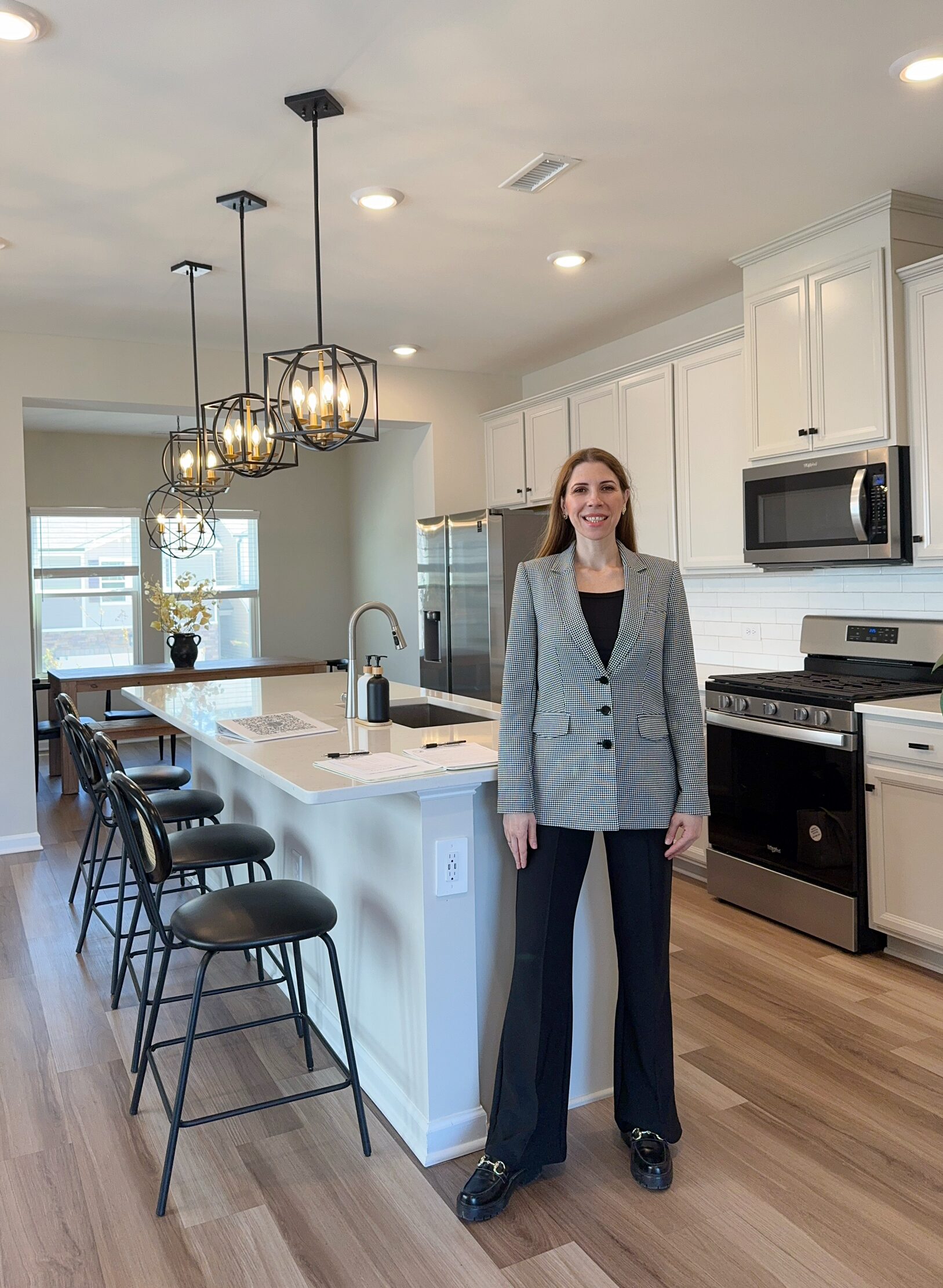
Anna Rukhlina guides sellers through every stage of the process across the Triangle — Raleigh, Cary, Apex, Wake Forest, Clayton, Durham, and surrounding communities. · Real Estate Broker · DASH Carolina · 919-332-6256