Selling Your Home in Wake Forest, NC
Wake Forest has grown dramatically over the last two decades — and that growth is still accelerating.
New communities, expanding retail, and consistent buyer demand from families seeking more space at accessible price points have made it one of the most active real estate markets in the Triangle. That activity cuts both ways for sellers. Buyer demand is real and steady. But so is builder competition. Wake Forest has more active new construction than almost any other Triangle market, and resale sellers here face a different environment than sellers in Cary or established Raleigh neighborhoods. Understanding that dynamic — and pricing and presenting accordingly — is what separates sellers who move quickly from those who sit.
Who Buys Homes in Wake Forest
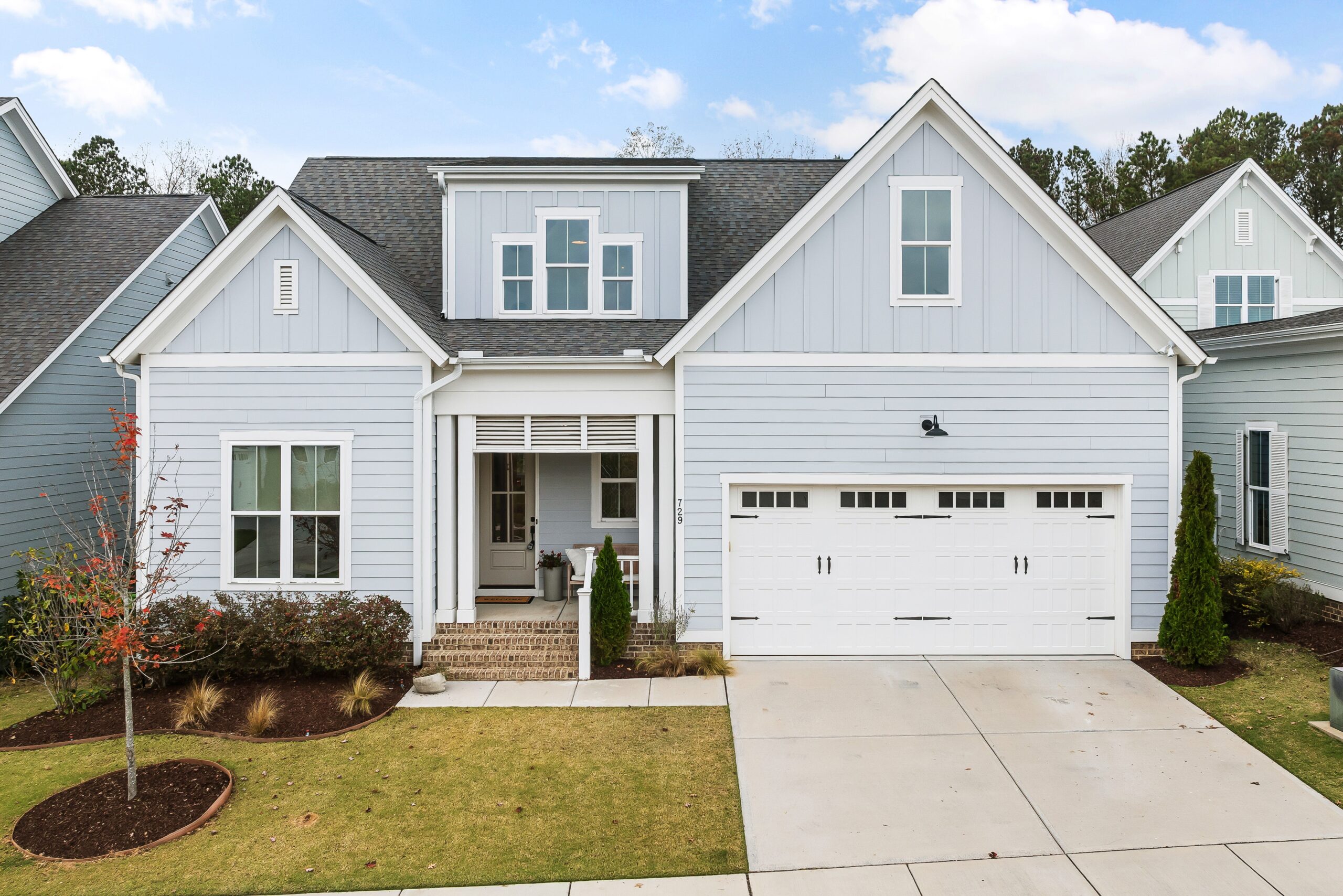
Wake Forest attracts buyers who want more space and newer construction — often at price points that aren’t available closer to Raleigh or RTP.
Families seeking more space at accessible price points. Wake Forest consistently attracts buyers who want larger homes, bigger lots, and newer construction than they can afford in Cary or North Raleigh. Many are making a deliberate trade — more square footage and newer finishes in exchange for a longer commute.
Northeast Raleigh and North Raleigh move-up buyers. Buyers already living in the northern Raleigh corridor who want to upgrade their home and are comfortable with the commute often consider Wake Forest as a natural next step. They know the area, understand the commute, and appreciate the value relative to closer-in markets.
First-time buyers and move-up buyers seeking more for their budget. Wake Forest often offers a broader range of price points than Cary and some western Wake markets. For buyers who want a new or nearly-new home and need to watch their monthly payment, Wake Forest frequently makes the short list.
Buyers specifically targeting Heritage. Heritage is Wake Forest’s most established and recognized master-planned community, and it functions as its own destination for buyers who have researched and decided they want that specific community. Heritage buyers are not cross-shopping with commodity new construction — they’re seeking established character, the golf and amenity infrastructure, and a community with a track record.
Buyers open to commuting from further out. Wake Forest’s price points attract buyers from Raleigh employment who are willing to commute 30–40 minutes for more house. As hybrid work has become more common, commute tolerance has increased — expanding Wake Forest’s effective buyer pool.
Wake Forest’s Neighborhoods: What Sellers Should Know
Wake Forest neighborhoods range from established Heritage to lake-centered Holding Village and active new construction growth corridors.
Wake Forest Seller Snapshot
| Area | Typical Buyer | Key Value Driver | Main Competition |
|---|---|---|---|
| Heritage | Established families, move-up buyers | Community identity, golf, amenities | Other Heritage resale homes |
| Traditions | Families, relocation buyers | Newer homes, amenities, community | Active builders in surrounding area |
| Holding Village | Families, lifestyle buyers | Lake, newer construction, walkability | New construction nearby |
| Historic Downtown area | Lifestyle buyers, empty nesters | Character, community feel, location | Other downtown-adjacent homes |
| New communities (Smith Creek, Falls Village, etc.) | First-time and move-up buyers | Price point, newer construction | Direct builder competition |
Heritage
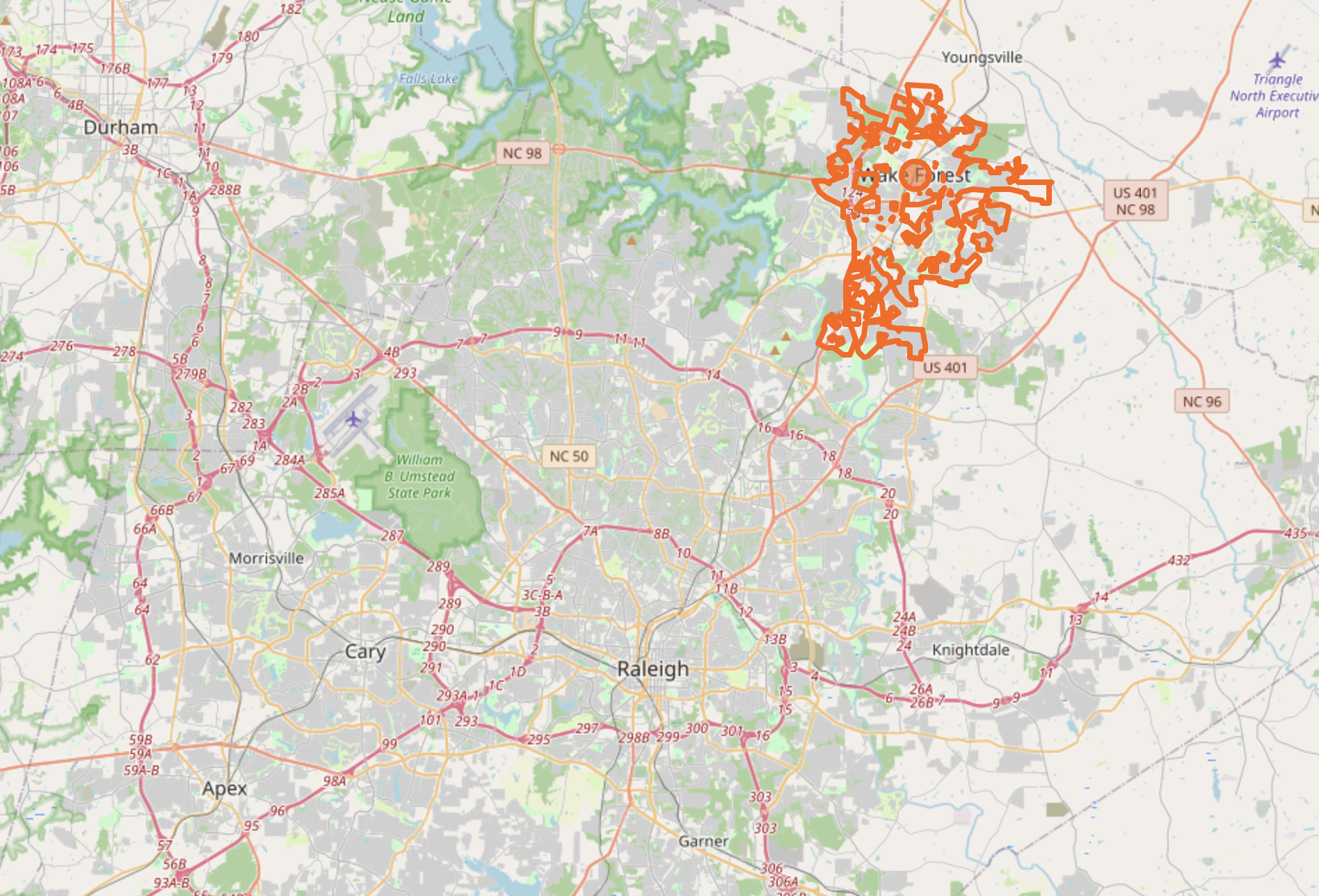
Heritage is Wake Forest’s most established and best-known community — a large master-planned neighborhood centered on Heritage Golf Club with multiple subdivisions, amenities, pools, and a community identity that has developed over more than two decades.
What drives demand
Community recognition and reputation, golf course access, mature landscaping, established infrastructure, and a range of home types at different price points within the community. Heritage has name recognition that extends beyond Wake Forest — buyers researching the Triangle often encounter it specifically.
What sellers should know
Heritage is the one part of Wake Forest where resale sellers face meaningfully less direct builder competition than the broader market. Heritage’s established character is something new construction nearby cannot replicate. Buyers who specifically target Heritage have made a decision about the community — not just the house. Pricing within Heritage should be based on Heritage comparables, not broader Wake Forest market data, which is heavily influenced by new construction pricing. Homes in Heritage vary significantly in age, size, and style. Condition and updates matter — buyers comparing within Heritage are comparison-shopping carefully.
Traditions
Traditions is one of Wake Forest’s largest master-planned communities — family-oriented at its core, with a broad range of home sizes, a well-established community organization, and amenities (pools, clubhouse, sports courts, walking trails) built around an active family lifestyle. It functions less as a lifestyle destination and more as a community where families put down roots for the long term.
What drives demand
Scale, family infrastructure, school access, and consistent resale activity that gives buyers confidence in the community’s trajectory. Traditions buyers are typically focused on the practical — good community, solid amenities, reliable access to what they need.
What sellers should know
Traditions has active new construction within and adjacent to the community. Resale sellers compete directly with builder product — sometimes in the same development. Condition and pricing relative to new alternatives determines outcomes more than in Heritage, where the established identity carries more weight.
Holding Village
Holding Village is built around a different concept than most Wake Forest communities — a lake at its center, a walkable village core with retail and services, and a lifestyle orientation that prioritizes outdoor access and community walkability. It’s less about family amenity infrastructure and more about how you want to live day to day.
What drives demand
The lake and waterfront setting, the village center concept, walking trails, and a community character that feels distinct from conventional subdivision development. Buyers who target Holding Village have often specifically sought out the lifestyle — they’re not comparison-shopping it against Traditions on a features list.
What sellers should know
Waterfront and lake-view lots command a measurable premium. Non-waterfront homes still benefit from the community’s overall desirability and the lifestyle amenity. Holding Village has ongoing new construction phases, so resale sellers face builder competition — but the lifestyle differentiation gives this community more insulation from pure price competition than a conventional amenity-focused development.
Historic Downtown Wake Forest Area
Downtown Wake Forest is smaller and earlier in its development than downtown Apex, but it has authentic character — older buildings, a growing restaurant and retail presence, and a community working to build on its historic foundation.
What drives demand
A genuine small-town feel, walkability relative to most Wake Forest neighborhoods, proximity to Southeastern Baptist Theological Seminary and the local employment it anchors, and buyers who prioritize community character over new construction amenities.
What sellers should know
Buyers targeting downtown Wake Forest are often choosing character and community over the newest possible home — a deliberate decision, not a compromise. Homes here tend to be older and varied in size and style. Marketing should lead with location and community identity rather than trying to compete with new construction on finishes or square footage. This buyer has already opted out of that comparison.
Newer Communities: Smith Creek, Falls Village, and Active Growth Areas
Communities such as Smith Creek, Falls Village, and other growth-area neighborhoods along US-1, NC-98, and toward Rolesville make up a large and expanding segment of Wake Forest’s market — and they compete most directly with active builder inventory.
What drives demand
Price accessibility, newer construction with modern layouts, and Wake Forest’s overall growth story. These communities attract first-time buyers and move-up buyers for whom the price point is a primary driver.
What sellers should know
This is where builder competition is most direct and most intense. Buyers in these communities are often simultaneously visiting model homes and evaluating builder incentives. The resale advantage here is typically price — a resale home that’s priced appropriately versus new construction, or one that offers something a builder can’t (established landscaping, a specific lot, or a premium location within the community) can compete. The key word is appropriately — ignoring builder pricing leads to extended days on market.
What Wake Forest Sellers Often Miss
Builder competition is not background noise — it’s the market
Wake Forest has more active builder inventory than any other major Triangle market. Buyers shopping in Wake Forest are almost certainly visiting model homes alongside your listing. Builder incentives — rate buydowns, closing cost credits, design allowances, extended warranties — are part of the comparison every buyer is making. This doesn’t mean resale can’t compete, but pretending the competition doesn’t exist is the most common and costly mistake Wake Forest sellers make.
Heritage is a different market than the rest of Wake Forest
Sellers in Heritage sometimes price relative to new construction in nearby communities and wonder why they aren’t getting offers. Heritage buyers are comparing within Heritage. New construction buyers elsewhere in Wake Forest are comparing with builders. These are separate markets with separate comp pools.
Commute is a real filter
Wake Forest is farther from downtown Raleigh and RTP than Cary, Apex, or North Raleigh. This matters to buyers who haven’t yet decided where to live and are weighing location against price. Buyers who end up in Wake Forest have typically made peace with the commute — or are working primarily from home. Understanding which type of buyer you’re marketing to shapes how the home should be positioned.
Days on market expectations need adjustment
Sellers who have heard that the Triangle is a seller’s market sometimes expect offers within days. In Wake Forest’s new construction environment, resale homes typically take longer to sell than in lower-inventory markets. A well-priced and well-prepared home will sell — but setting realistic timeline expectations from the start prevents the mistake of pricing too high early and having to reduce later.
Builder incentives affect your net, not just your price
When a builder nearby is offering $25,000 in closing cost assistance or a 1% rate buydown, buyers factor that into their monthly payment comparison. Sellers don’t need to match it dollar-for-dollar, but the comparison is happening whether you account for it or not.
What Drives Home Value in Wake Forest
Builder Pricing Baseline
More than in any other Triangle market covered here, new construction sets the pricing baseline in Wake Forest. Resale homes are implicitly benchmarked against what buyers can get new — size, finishes, features, and incentives. The gap between what the market will pay for resale versus new construction is real and varies by community.
Community Identity
Heritage commands a premium specifically because of its established community identity — something no new build can replicate. Communities with strong identities (Traditions, Holding Village) hold value better than generic subdivisions. If your community has a recognized identity, that’s a selling point.
Condition and Updates
In a market full of new construction, resale condition matters more than it would in a low-inventory environment. Buyers who choose resale over new are often doing so for price or location reasons — they’re not choosing resale for its own sake. Meeting a high condition standard removes one objection from that comparison.
Location Within Wake Forest
Proximity to US-1 for Raleigh commutes, or to NC-98 for northern Wake access, matters to buyers. Homes closer to retail and services command a premium as Wake Forest’s amenity base continues to grow. Downtown-adjacent homes attract a specific buyer willing to pay for character and walkability.
Lot
Waterfront in Holding Village, golf course in Heritage, wooded lots in older communities — lot premiums exist throughout Wake Forest and should be reflected in pricing and marketing.
Pricing in Wake Forest: What Sellers Need to Know
Wake Forest pricing is more complex than markets with lower new construction activity because the baseline is moving — builders adjust pricing and incentives regularly. A CMA that’s even three months old may not reflect current builder competition accurately.
The most important number to know isn’t what your neighbors sold for six months ago — it’s what a buyer can buy new within a reasonable distance today, and at what effective price after builder incentives. Your agent should be actively tracking builder activity in your specific area, not just pulling sold comps.
Want to understand where your home stands in today’s Wake Forest market? Get Your Free Wake Forest Home Value Analysis or see the Home Value & Pricing guide.
Common Questions from Wake Forest Sellers
Ready to Sell in Wake Forest?
Wake Forest rewards sellers who understand the market’s defining dynamic — new construction competition — and position their home accordingly. The right strategy looks different in Heritage than in Traditions, and different again near downtown.
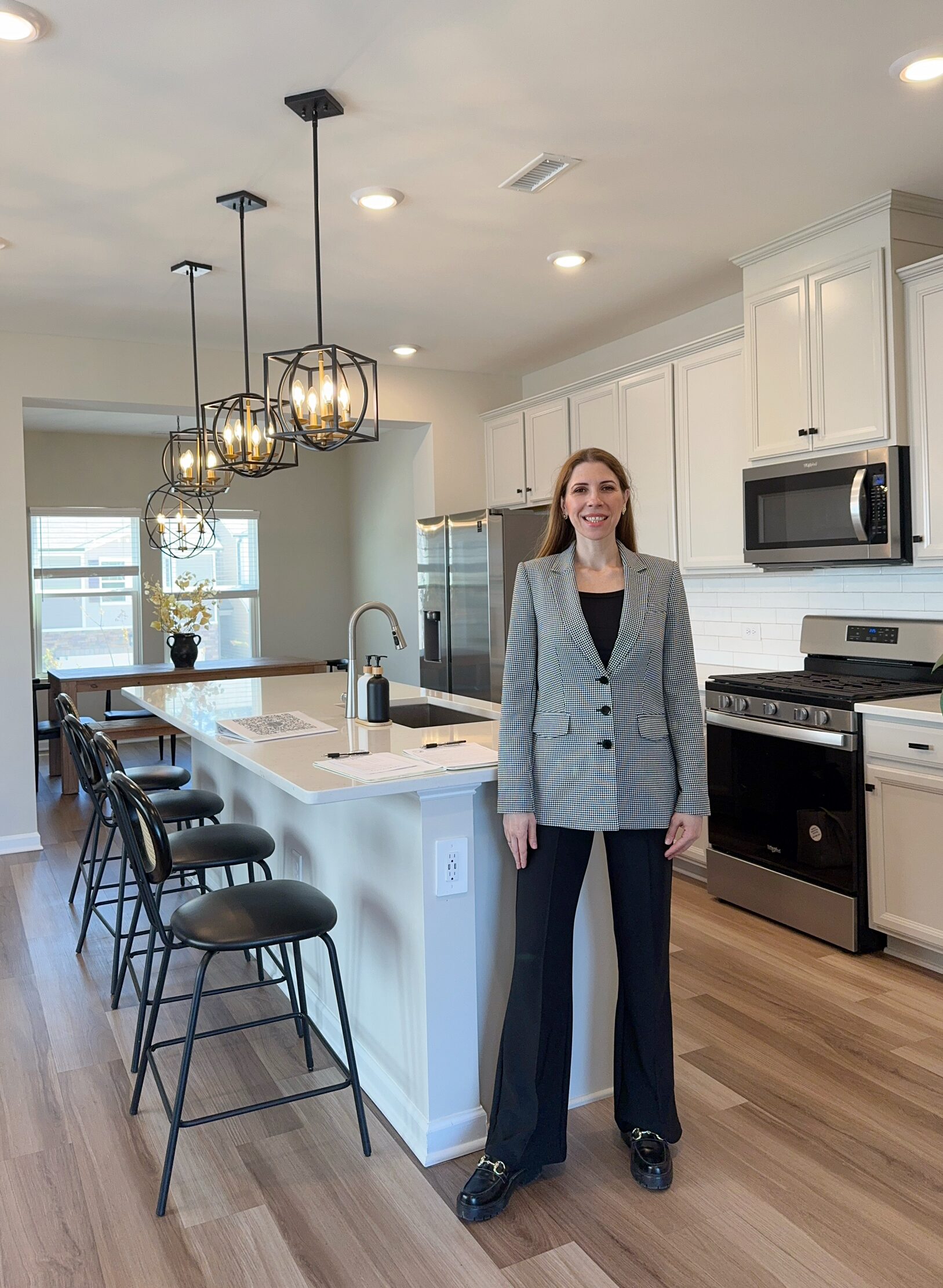
Anna Rukhlina works with sellers throughout Wake Forest and the Triangle — Heritage, Traditions, Holding Village, Historic Downtown, and surrounding communities. · Real Estate Broker · DASH Carolina · 919-332-6256