Common Home Selling Mistakes — and How to Avoid Them in the Triangle
Selling a home is one of the largest financial transactions most people make.
The mistakes that cost sellers the most — in money, time, and stress — are almost always avoidable. Most happen not from bad intentions, but from assumptions that turn out to be wrong. This guide covers the most common home selling mistakes in the Triangle market, why they happen, and what to do instead.

Mistakes That Cost Sellers the Most Money
Overpricing From the Start
This is the most expensive mistake a seller can make — and the most common. The logic seems reasonable: list high, leave room to negotiate. In practice, it usually backfires.
Buyers today are informed. They’re looking at the same sold data your agent has. A home priced noticeably above comparable properties doesn’t generate negotiating leverage — it generates skepticism. Buyers move on to the next listing.
The first days and the first week after listing are the most active you’ll ever see. Buyers who have been watching the market tend to act quickly on new listings. If your price sends them to a competitor, you don’t get that moment back. Days on market start accumulating. Price reductions follow. And homes with extended days on market attract lower offers and more aggressive negotiation — the opposite of what overpricing was meant to achieve.
The Market Gives Feedback Quickly
The first week on market is the most honest signal you’ll get about your price and presentation:
- Showings and offers — pricing is likely aligned with market expectations
- Showings but no offers — buyers may be questioning value, condition, or what they see compared to the competition
- Few or no showings — pricing is often the first thing to review
That feedback is valuable. The goal is to listen to it early rather than accumulate days on market waiting for something to change on its own.
Pricing Based on What You Need, Not What the Market Says
“I need to net $X to afford my next home” is not a pricing strategy. The market doesn’t respond to seller financial goals — it responds to supply, demand, and comparable value. Pricing above what the market supports because you need more money results in the same outcome as overpricing for any other reason: fewer showings, longer days on market, and a lower final sale price than a correct initial price would have achieved.
Pricing Based on Zillow
Zestimates are built on public records and algorithms. They may not fully reflect upgrades, condition, location nuances, or current competition — particularly in a market like the Triangle, where new construction and resale homes sit side by side and property variation is significant.
Ignoring the Competition
Your home doesn’t sell in isolation. It sells against every other home a buyer is considering at the same time. If there are four similar homes in your neighborhood priced within a narrow band and yours is above them, buyers do the math quickly.
This is especially relevant in Triangle markets with active new construction. In areas like Wake Forest, Clayton, and parts of Apex, a buyer comparing your resale home is often also comparing a new build with builder incentives, warranty coverage, and modern finishes. Resale pricing has to account for that competition — not ignore it.
Rejecting the First Offer, Assuming Better Will Come
The first offer, especially when it arrives quickly, sometimes feels like it came too easily. Sellers wonder if they priced too low and wait for something better. In many cases, the first offer — particularly one that comes in the first week — reflects strong market validation of your price and presentation.
There is no guarantee a better offer is coming. And while you’re waiting, the first buyer may move on. Days on market accumulate. The next offer may come in lower, from a less motivated buyer, after your listing has lost its newness.
Mistakes That Hurt Marketability
Listing Before the Home Is Ready
Rushing to market before the home is truly ready costs sellers more than the time they saved. Photos of a cluttered home, a yard that needs work, or rooms with visible deferred maintenance send buyers looking elsewhere — and those first impressions can’t be undone. Once a buyer has scrolled past your listing, they rarely come back.
Skipping Professional Photography
The vast majority of buyers see your home online before they ever visit in person. The listing photos are the first showing. Phone photos or low-quality images — regardless of how good the home actually is — reduce showing volume.
Neglecting Curb Appeal
A buyer’s first impression starts before they open the door — and for online searches, it starts with the first exterior photo. An overgrown yard, a scuffed front door, or a driveway that needs pressure washing sets a negative tone that interior photos have to work against.
Not Depersonalizing
Buyers need to picture themselves living in your home. Family photos, personal collections, children’s names on bedroom walls, and highly personalized décor make that harder. It’s not that buyers don’t respect your style — it’s that personalization reminds them they’re walking through someone else’s home rather than imagining their own.
Making Showings Difficult
Buyers have options. If your home is hard to show — restricted hours, 24-hour notice required, pets that can’t be removed, sellers who stay during showings — buyers choose the easier listing. Missed showings are missed offers.
Being present during showings is one of the most common and damaging versions of this mistake. Buyers rush through homes when sellers are there. They can’t have honest conversations with their agent. They leave without forming the emotional connection that leads to an offer.
Contract & Negotiation Mistakes
Not Understanding the NC Due Diligence Period
North Carolina’s real estate contract is different from many other states. The due diligence period — a negotiated window during which the buyer can terminate for any reason — is one of the most important things a Triangle seller needs to understand. Sellers who don’t understand it are often blindsided when a buyer terminates during due diligence.
The due diligence fee is non-refundable to the buyer. The earnest money is protected until due diligence ends. Sellers need to know the difference between these two amounts, what the buyer’s rights are during the period, and what the DD end date means as a hard deadline for inspection negotiations.
Not Disclosing Known Issues
North Carolina has strict disclosure requirements. Sellers are required to complete a Residential Property and Owners’ Association Disclosure Statement and disclose known material defects. Choosing not to disclose known issues — hoping the inspector won’t find them, or assuming the buyer won’t care — creates legal exposure that extends well past closing.
Beyond the legal risk: when undisclosed issues turn up at inspection, it damages trust, hardens buyer positions in negotiation, and can kill deals that could have been saved with upfront transparency.
Accepting the Highest Offer Without Reading All the Terms
Price is one number on a contract. The other terms matter too — sometimes more.
A high-priced offer with a long due diligence period, a low due diligence fee, and weak buyer financing can be riskier than a slightly lower offer from a cash buyer with a 14-day DD period and a strong fee. Sellers who focus only on price often end up with a buyer who has more opportunity to walk, more time to renegotiate, and a weaker financial position at the table.
Not Having HOA Documents Ready
In HOA communities, buyers are entitled to review HOA resale documents, budgets, bylaws, and community disclosures. These take time to obtain from HOA management companies — some require several business days or even weeks to prepare resale packages. Sellers who wait until they’re under contract to request them often create delays that push back closing or create anxiety for buyers in the final stretch.
Triangle-Specific Mistakes
Ignoring New Construction Competition
In the Triangle — particularly in Wake Forest, Clayton, Fuquay-Varina, and parts of Apex — resale sellers compete directly with new construction. Builders offer move-in ready homes with modern layouts, energy-efficient systems, and significant closing cost incentives. Sellers who price and present as if this competition doesn’t exist will lose buyers to it.
Not Addressing Crawl Space or Moisture Issues Before Listing
Crawl space moisture is one of the most common inspection findings in the Triangle. Sellers who know about it and don’t address it before listing hand buyers a negotiating tool. Sellers who don’t know about it get surprised under contract — at the worst possible time.
Frequently Asked Questions
Selling Smart Starts Before the Listing Goes Live
Most selling mistakes happen in the preparation and pricing phase — before the home ever hits the market. Getting those decisions right is what every other part of the process depends on.
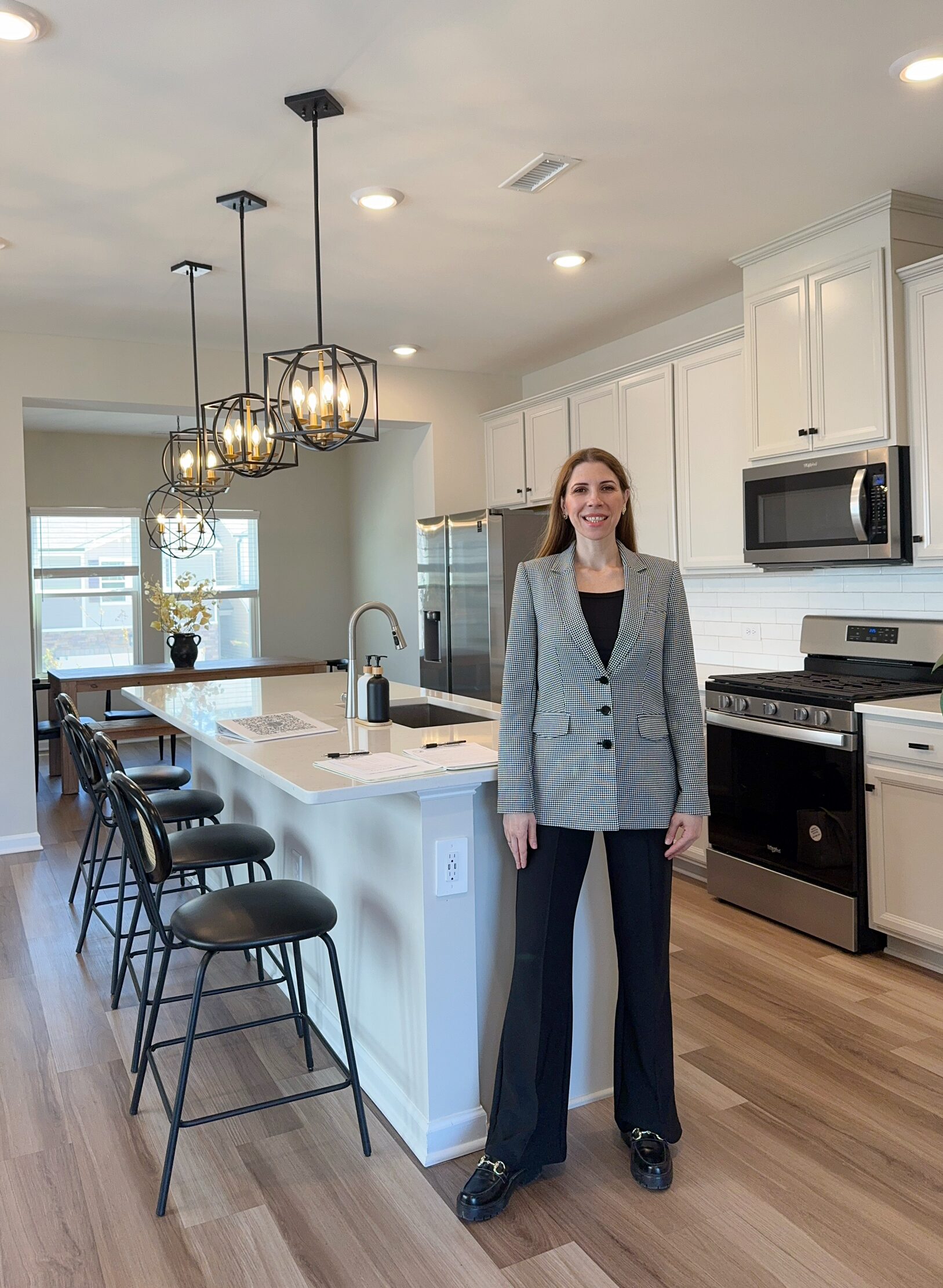
Anna Rukhlina works with sellers throughout the Triangle — Raleigh, Cary, Apex, Wake Forest, Clayton, Durham, and surrounding communities. · Real Estate Broker · DASH Carolina · 919-332-6256