Selling Your Home in Raleigh, NC
Raleigh is the largest real estate market in the Triangle — and one of the most varied.
A home in North Raleigh, a condo near downtown, and a house in South Raleigh can look very different on paper but sit within a few miles of each other. The buyer for each is different. The pricing strategy is different. What drives value is different. If you’re selling in Raleigh, understanding which market you’re actually in matters more than knowing Raleigh’s overall numbers.
Who Buys Homes in Raleigh
Raleigh has the most diverse buyer pool in the Triangle. Understanding who your likely buyer is helps shape how your home should be priced, marketed, and presented.
State government and public sector employees make up a significant portion of Raleigh’s workforce. These buyers tend to be stable, long-term residents looking for established neighborhoods with good schools and reasonable commutes to downtown and the government corridor.
Healthcare workers from WakeMed, Rex, Duke Raleigh, and the broader medical complex represent strong demand across multiple price points — from starter homes to move-up properties. Many are relocating from other markets for residency or established positions.
NC State University faculty, staff, and affiliated professionals drive demand in Midtown, Five Points, and neighborhoods within the Beltline — areas where walkability, character, and proximity to campus matter.
Tech and corporate relocation buyers — often coming from higher-cost markets on the East Coast or West Coast — are increasingly common across North Raleigh and the Brier Creek corridor. Many are cash buyers or buyers with significant equity from prior home sales. They’re often comparing Raleigh to other Triangle markets and to national benchmarks.
Investors are active in certain Raleigh submarkets, particularly South Raleigh and areas undergoing transition. If you’re selling in these areas, you may receive investor interest alongside traditional buyer offers. See the Cash Offers guide for how to evaluate investor interest.
Raleigh’s Neighborhoods: What Sellers Should Know
Raleigh isn’t one market. Here’s what matters for sellers in each major area.
Raleigh Seller Snapshot
| Area | Typical Buyer | Key Value Driver |
|---|---|---|
| North Raleigh | Families, move-up buyers | Schools, lot size, condition |
| Inside the Beltline (ITB) | Lifestyle buyers, NC State community | Location, walkability, character |
| Downtown Raleigh | Urban buyers, young professionals, downsizers | Amenities, HOA, parking |
| North Hills / Midtown | Mixed — families and urban buyers | Urban village access, convenience |
| Brier Creek | Relocation buyers, RTP employees | I-540 access, newer homes |
| South Raleigh | Mixed — first-time buyers, investors | Price point, proximity to downtown |
North Raleigh
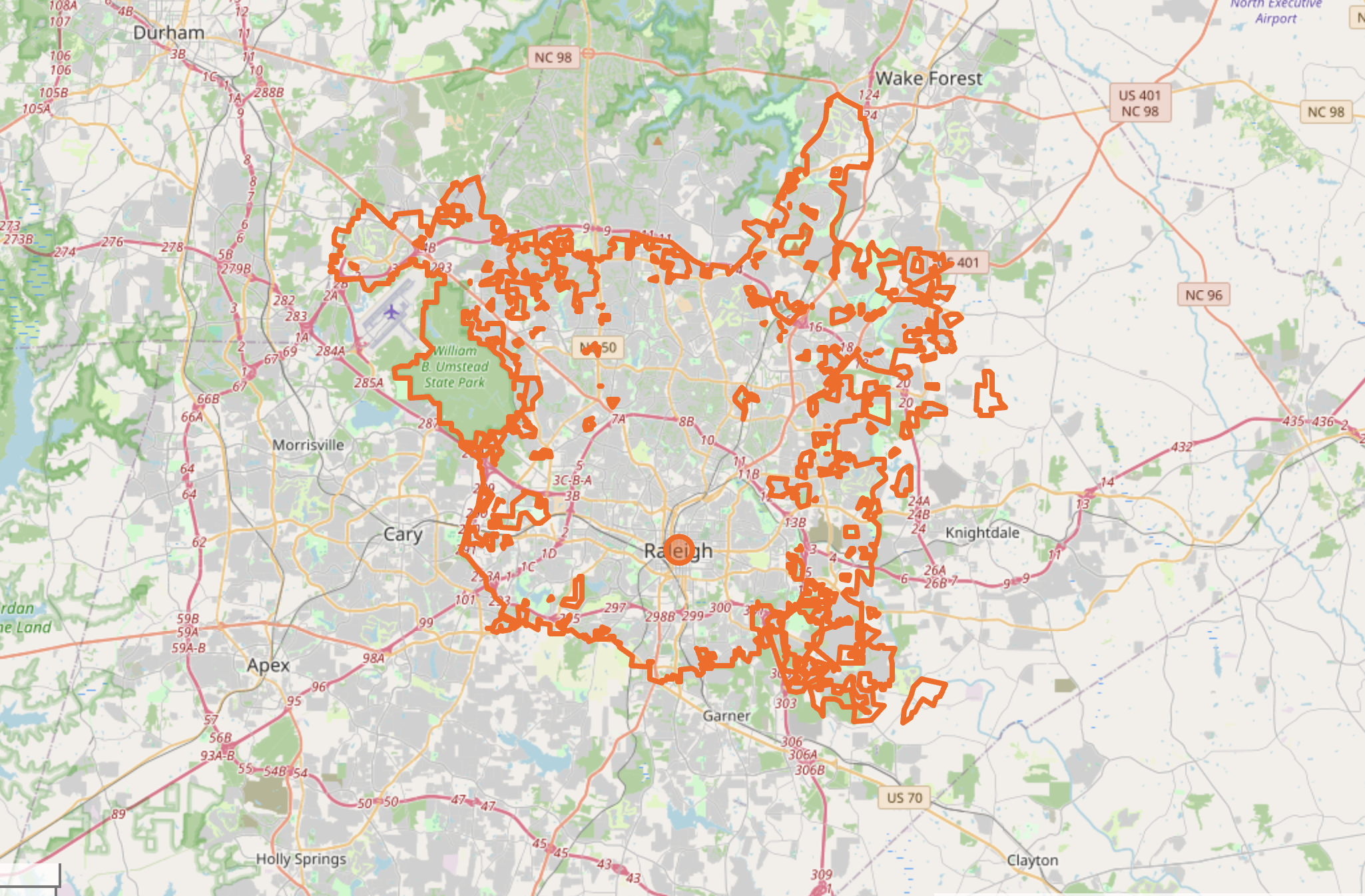
North Raleigh encompasses established neighborhoods roughly north of I-440 and extending toward Wake Forest Road, Falls of Neuse, and beyond. This is one of the most consistently strong seller markets in the city.
What drives demand
Suburban character with good access to employment corridors, strong school assignments in many areas, established tree-lined streets, and a wide range of home sizes and price points. Many North Raleigh neighborhoods are non-HOA or have minimal HOA involvement, which appeals to buyers who value fewer restrictions.
What sellers should know
Home ages vary significantly — many North Raleigh homes were built in the 1980s and 1990s, which means HVAC systems, roofs, and electrical panels may be approaching the end of their useful life. Buyers’ inspectors know this, and inspection findings in these homes tend to be more substantial than in newer construction. Preparation and pre-listing maintenance matter more here than in newer markets. Competition from new construction is limited in most of North Raleigh’s established neighborhoods, which is an advantage for resale sellers.
Midtown Raleigh / Inside the Beltline (ITB)
The area inside I-440, including neighborhoods like Cameron Village, Budleigh, Hayes Barton, Fallon Park, and portions of Five Points and Glenwood South.
What drives demand
Walkability, character, proximity to downtown and North Hills, and the lifestyle premium of living inside the Beltline. ITB buyers are often specifically seeking this area — they’re not comparison-shopping with North Raleigh or Cary. They want the neighborhood feel, the older trees, and the convenient location.
What sellers should know
Homes here tend to be older — many from the mid-20th century — and buyers expect some deferred maintenance and dated systems. But they also expect updates where updates are appropriate. A kitchen or bathroom that hasn’t been touched since 1985 will limit your buyer pool even in a high-demand area. Pricing is highly neighborhood- and block-specific; a CMA that relies on broad ITB data can miss the mark significantly. Lot size and privacy matter here. Homes with larger lots or more separation from neighbors command a noticeable premium.
Downtown Raleigh
Condos, townhomes, and a smaller number of single-family homes concentrated near the urban core — Moore Square, Glenwood South, Warehouse District, Seaboard Station.
What drives demand
Urban lifestyle, walkability, proximity to restaurants, entertainment, and employment. Buyers here are often young professionals, empty nesters downsizing from larger suburban homes, or people relocating specifically for the downtown experience. Many are not interested in a suburban alternative.
What sellers should know
Condo sales operate differently from single-family sales. HOA financials, reserve funds, building condition, and rental restrictions all become part of what buyers evaluate. Lender requirements for condo financing can also be more complex — some buildings don’t qualify for conventional financing if the rental ratio is too high, which limits your buyer pool to cash buyers. Parking, storage, and building amenities carry more weight here than in any other part of Raleigh. Special assessments and reserve funding may also influence buyer decisions — having current HOA financials available is particularly important for downtown condo sellers.
North Hills / Midtown Corridor
The area around the North Hills mixed-use development and extending into surrounding neighborhoods — Pines of Wake, North Hills itself, and nearby communities.
What drives demand
The urban village feel of North Hills — walkable retail, restaurants, and office space — combined with suburban housing. This area attracts buyers who want lifestyle amenities without living downtown. Strong employer concentration in the corridor adds demand.
What sellers should know
Proximity to North Hills amenities is priced in. Homes a short walk or drive from the mixed-use center command a premium over similar homes farther away. Marketing should emphasize the lifestyle aspect, not just the specs.
Brier Creek / Northwest Raleigh
The Brier Creek area and surrounding communities near the I-540 / US-70 corridor, including neighborhoods that appeal to tech and corporate employees working along the northwest employment corridor.
What drives demand
Access to I-540 and RTP, newer housing stock, and corporate employer proximity. Many buyers here are relocation buyers from other markets who prioritize newer construction, open floor plans, and community amenities.
What sellers should know
New construction is more competitive here than in established North Raleigh neighborhoods. Builders in nearby communities offer incentives that resale sellers have to account for in pricing. Well-maintained, updated homes compete effectively — homes with deferred maintenance face more price pressure.
South Raleigh
South Raleigh is a broad and changing market, including everything from established neighborhoods near downtown to newer communities and areas undergoing significant investment and transition.
What drives demand
Price accessibility relative to other Raleigh submarkets, proximity to downtown for buyers who prioritize location over square footage, and increasing interest from buyers attracted by improving infrastructure and investment in the area.
What sellers should know
The South Raleigh market is more price-sensitive and more varied than the rest of the city. Investor interest is higher here. The range of buyer types — first-time buyers, investors, buyers priced out of other submarkets — means marketing strategy matters. Your agent’s knowledge of the specific street and immediate neighborhood is more important here than anywhere else in Raleigh.
What Raleigh Sellers Often Miss
These are the patterns that show up repeatedly — things sellers don’t always anticipate until they’re already in the market.
North Raleigh buyers may also consider nearby markets
Buyers in North Raleigh are often comparing resale homes to newer construction in Wake Forest and other surrounding areas offering different price points or home ages. Resale homes need to be priced and presented with that comparison in mind.
Brier Creek buyers have a wider search radius
Buyers in the Brier Creek corridor often compare Raleigh to Morrisville, Durham, and RTP-adjacent communities. Location to I-540 and corporate employers matters more to them than city affiliation. Marketing should reflect that.
ITB buyers rarely cross the Beltline
Buyers specifically targeting Inside the Beltline are not cross-shopping with suburban markets. They’ve already made that lifestyle decision. The competition is other ITB homes — not Cary or North Raleigh. These buyers often place more emphasis on location and lifestyle than on square footage alone.
New construction affects some Raleigh submarkets more than others
Established North Raleigh and ITB neighborhoods have limited new construction pressure. Brier Creek and parts of outer Raleigh face more direct builder competition. The right pricing strategy depends on which situation you’re in.
Investor offers are more common in South Raleigh
Sellers in transitional areas may receive unsolicited or early investor interest. It’s worth knowing your market value before evaluating any off-market offer.
What Drives Home Value in Raleigh
School Assignment
Wake County uses a controlled choice assignment system, and school assignments in Raleigh are not uniform across the city. School assignment can influence buyer interest in Raleigh, particularly among households with school-age children. Buyers in this group often filter by school district early in their search. Your agent can help you understand how assignment is factoring into buyer behavior in your specific neighborhood.
Proximity to Employment
Raleigh’s employment base is large and geographically spread. Different neighborhoods draw buyers from different employer clusters — downtown and government corridor, Midtown, the northwest tech corridor, and the medical district. A home’s commute to the most relevant employment areas for its buyer profile affects demand.
Lot Characteristics
Raleigh has more variability in lot size, topography, and privacy than markets like Cary or Apex, where new construction produced more uniform subdivisions. Homes with larger lots, mature trees, privacy, and usable outdoor space command premiums — particularly inside the Beltline and in established North Raleigh neighborhoods.
Home Age and Condition
Much of Raleigh’s housing stock predates 2000. Buyers are generally aware of this and factor it into their expectations — but they still respond to condition. A home with updated systems, a maintained crawl space, and a roof with years of life remaining will outperform a similar home with deferred maintenance at the same price point, every time.
Walkability and Urban Proximity
For buyers specifically seeking ITB or downtown Raleigh, walkability to shops, restaurants, and entertainment is a distinct value driver — one that doesn’t apply equally across all parts of the city. If your home is in a walkable area, that should be explicit in how it’s marketed.
Pricing in Raleigh: Why “Raleigh” Isn’t a Benchmark
The price-per-square-foot range across Raleigh is wide. A home in Hayes Barton and a home in South Raleigh may be five miles apart but represent entirely different markets with different buyer pools, different comparable sales, and different pricing dynamics.
When your agent prepares a Comparative Market Analysis for a Raleigh home, the relevant comps are neighborhood-specific — not city-wide. Broad Raleigh market statistics tell you almost nothing useful about what your home on your street in your neighborhood is worth.
This is especially important in areas like ITB, where block-level variation is significant. A street where prices have been consistently strong doesn’t mean the next street over performs the same way.
Curious what buyers are paying in your neighborhood? Get a Raleigh Home Value Analysis or see the Home Value & Pricing guide.
Common Questions from Raleigh Sellers
Getting the Right Value for Your Raleigh Home
Given how much Raleigh varies by neighborhood, the most important first step is a CMA that reflects your actual submarket — not a generic city estimate.
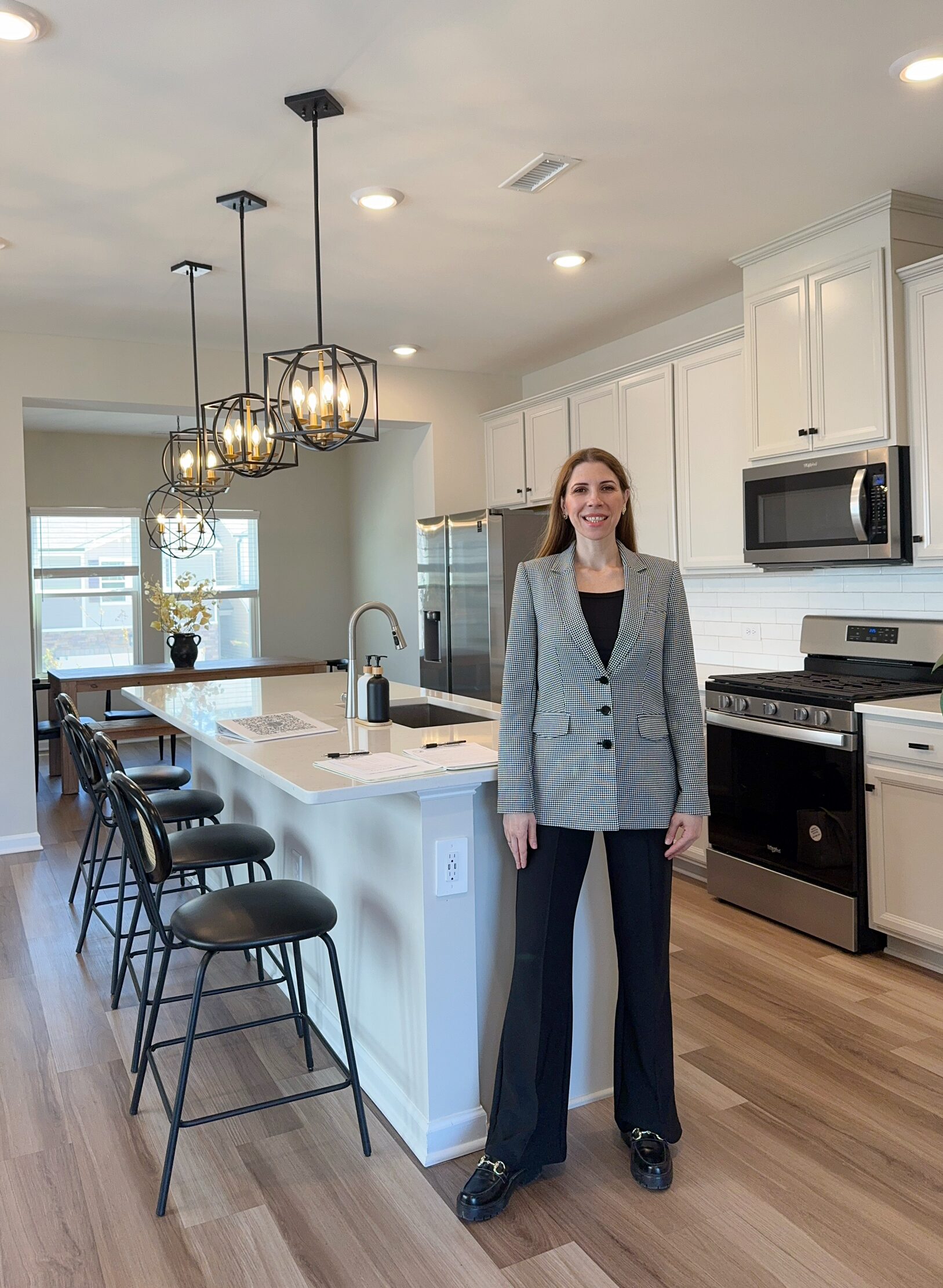
Anna Rukhlina works with sellers throughout Raleigh and the Triangle — including North Raleigh, Midtown, ITB, Downtown, Brier Creek, and South Raleigh. · Real Estate Broker · DASH Carolina · 919-332-6256