Selling Your Home in Cary, NC
Cary is consistently one of the most in-demand seller markets in the Triangle.
Limited resale inventory, strong buyer demand, and a reputation for excellent schools and well-maintained neighborhoods have made it one of the most stable and desirable places to sell in the region. But strong demand doesn’t mean every home sells itself. Condition, preparation, and pricing still matter — even in Cary. And the market here has its own dynamics that sellers benefit from understanding before they list.
Who Buys Homes in Cary
Cary attracts one of the most consistent and well-qualified buyer pools in the Triangle.
Technology and corporate professionals make up a large share of Cary’s buyer base. SAS Institute — headquartered in Cary — is one of the largest private software companies in the world and a significant anchor for local employment. Lenovo’s North American headquarters is also in Cary. Buyers employed at these companies and throughout the broader RTP corridor represent steady, year-round demand.
Relocation buyers are disproportionately common in Cary compared to other Triangle markets. Buyers moving from Northern Virginia, New York, New Jersey, California, and other high-cost markets often land in Cary specifically — they’ve researched the Triangle and Cary came up consistently. Many are comparing Cary to similar suburban markets they’re leaving behind, and they arrive with significant equity and purchasing power.
International buyers are a meaningful part of the Cary buyer pool. Cary attracts a diverse buyer pool, including many professionals relocating from international markets through technology, pharmaceutical, and research employers. Cary’s cultural infrastructure — international grocery stores, restaurants, and community organizations — continues to draw buyers who value that environment.
Move-up families from other Triangle communities often target Cary as their next home — buyers who started in Morrisville, Holly Springs, or South Raleigh and are ready for a larger home in a more established community.
Cary’s Neighborhoods: What Sellers Should Know
Cary’s neighborhoods each attract a distinct buyer profile. Here’s what matters for sellers in each major area.
Cary Seller Snapshot
| Area | Typical Buyer | Key Value Driver |
|---|---|---|
| Preston | Families, executives | Golf community, prestige, lot size |
| MacGregor | Established families | Golf, schools, neighborhood maturity |
| Lochmere | Families, move-up buyers | Lake, established character, location |
| Amberly | Families, relocation buyers | Amenities, newer homes, community |
| Carpenter Village | Mixed — families and downsizers | Walkable town center, community feel |
| Downtown Cary | Urban buyers, young professionals | Revitalizing corridor, walkability |
| West Cary (Green Level, Carpenter, High House) | Relocation and tech buyers | I-540 access, newer homes, amenities |
Preston
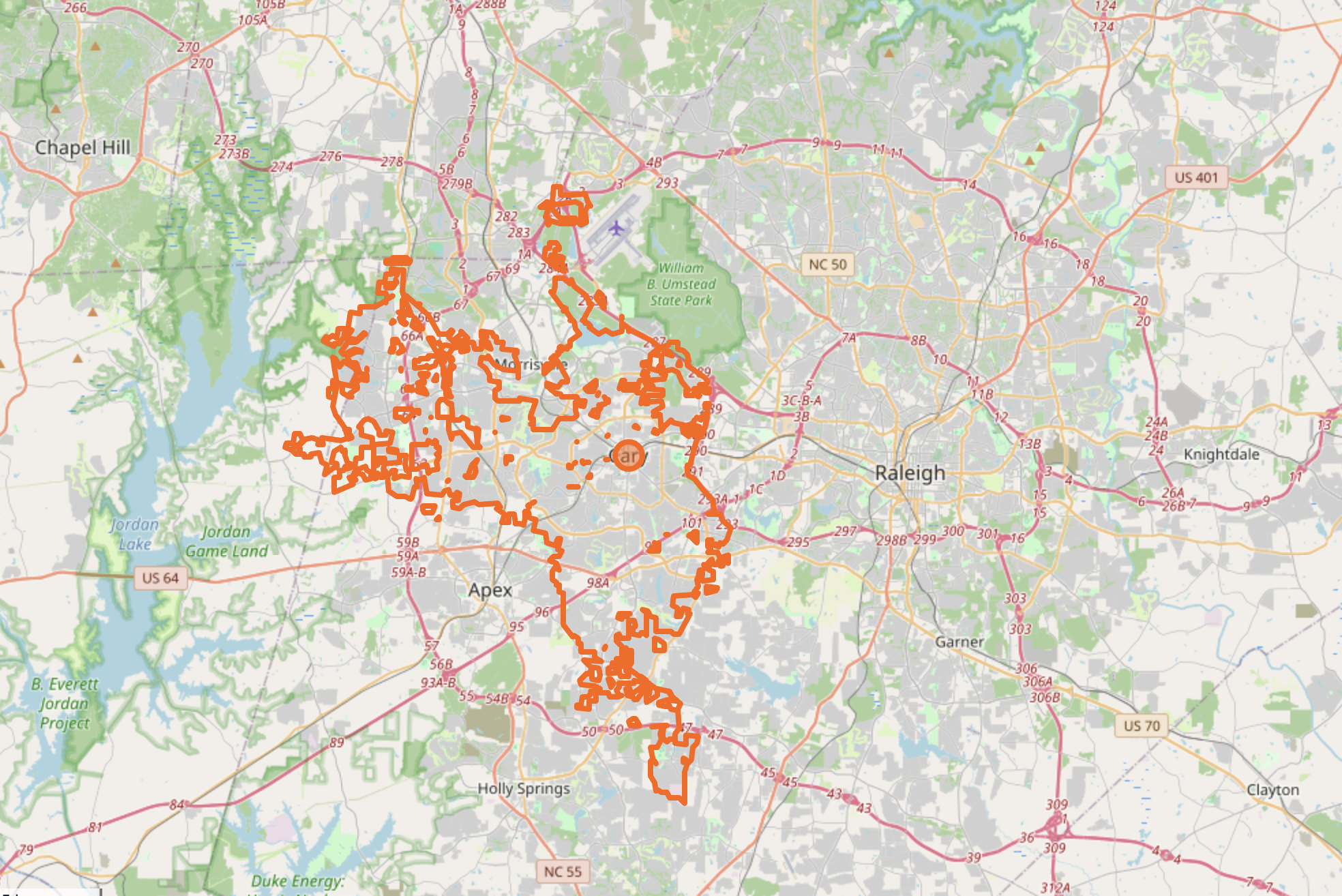
Preston is Cary’s most recognizable master-planned golf community — a large, established neighborhood centered on the Preston Golf and Country Club, with a range of home sizes, styles, and price points.
What drives demand
Prestige, executive-level lifestyle, golf club membership, and lot sizes that are simply not available in most of Cary’s newer communities. Preston buyers are often specifically seeking a high-end community with a distinct identity — not a generic subdivision. The country club lifestyle is central to the decision, not incidental to it.
What sellers should know
Home ages vary — many Preston homes were built in the late 1980s and 1990s. Aging systems (HVAC, roofs, electrical) are common inspection findings at this age range. At Preston’s price points, buyers compare carefully and expect condition to match price. The golf community structure also means HOA fees, club membership options, and community rules are part of the buyer conversation from the start.
MacGregor
MacGregor Downs and the surrounding MacGregor area represent some of Cary’s most established and consistently desirable neighborhoods, built around MacGregor Downs Country Club.
What drives demand
A sense of established Cary tradition — long-term owner-occupancy, mature landscaping, neighborhood identity that has built up over decades. MacGregor buyers aren’t just buying a house; they’re buying into a community with roots. Many buyers in this area have friends or colleagues already living here, which drives demand independently of market conditions.
What sellers should know
Buyers who target MacGregor specifically tend to be serious and motivated — they’ve done their research and made a clear decision. Days on market are typically short for well-priced homes. The key distinction from Preston: MacGregor buyers are often more focused on neighborhood identity and long-term stability than on executive lifestyle signals. Marketing should reflect that.
Lochmere
Lochmere is a highly regarded established neighborhood built around Lake Lochmere, with a mix of home sizes and styles and strong community amenities including tennis, pools, and greenways.
What drives demand
The lake, the community amenities, the established neighborhood feel, and proximity to downtown Cary and major employers. Lochmere buyers often specifically target this community — the lifestyle aspect is a strong draw.
What sellers should know
Lake access and views command a premium within Lochmere. Homes without lake access or views still benefit from the neighborhood’s overall desirability, but pricing should reflect the distinction. Like other established Cary communities, home age is a factor in inspection dynamics.
Amberly
Amberly is a newer master-planned community in West Cary with extensive amenities — pools, clubhouse, walking trails — and a predominantly newer housing stock.
What drives demand
Newer construction with updated floor plans, strong amenities, and location near the western RTP corridor. Relocation buyers who prioritize newer homes and community infrastructure often target Amberly.
What sellers should know
Amberly competes with new construction in ways that older Cary neighborhoods don’t. Builders in nearby communities continue to attract buyers who want the newest possible product. Resale homes in Amberly that are in excellent condition and well-priced compete effectively — those that have deferred maintenance or feel dated relative to their price point face more pressure.
Carpenter Village
Carpenter Village is a distinctive community built around a walkable village center with retail, restaurants, and services within the neighborhood itself — an unusual amenity for a suburban Cary development.
What drives demand
The town center concept appeals to buyers who want suburban accessibility with a walkable, community-centered feel. It’s a specific lifestyle choice, and buyers who want it seek it out.
What sellers should know
Marketing Carpenter Village is about the lifestyle, not just the specs. Square footage comparisons to other Cary neighborhoods miss the point for this buyer. Emphasize walkability, the village center, and community feel.
Downtown Cary
The area around Cary’s downtown — Chatham Street and the surrounding blocks — has been undergoing meaningful revitalization and investment in recent years, with new restaurants, entertainment venues, and residential development.
What drives demand
Urban feel within a suburban town, growing amenity base, and proximity to the train station (Amtrak, with future transit potential). Buyers here are often specifically seeking the walkable, urban-adjacent lifestyle.
What sellers should know
Downtown Cary attracts some buyers who would otherwise consider Raleigh’s urban neighborhoods but prefer a smaller-town environment — walkability and amenities without the scale or pace of a larger city. Marketing here should lean into that distinction. Downtown Cary is still evolving, and sellers benefit from communicating the area’s current amenities and trajectory rather than positioning it against suburban Cary neighborhoods.
West Cary (Green Level, Carpenter & High House Corridor)
West Cary — including communities along Green Level Church Road, Carpenter Fire Station Road, High House Road, and near the NC-540 western extension — is one of the fastest-growing and most active parts of Cary’s market. Communities here include Highcroft, Mills Park, and a range of newer developments with strong amenities and access to western Triangle employers.
What drives demand
Access to I-540 and SAS Institute, newer housing stock with open floor plans, strong community amenities, and Cary’s overall reputation. This corridor draws significant relocation and tech buyer demand. The ongoing NC-540 western extension continues to improve regional access, adding long-term appeal.
What sellers should know
West Cary has more competition from nearby new construction — in Morrisville, Apex, and along the NC-55 corridor — than established Cary neighborhoods like Preston or MacGregor. Resale homes here compete more directly with builder product. Condition, updates, and presentation matter more in this submarket than in areas where new construction isn’t an option.
What Cary Sellers Often Miss
Cary’s reputation doesn’t replace preparation
Sellers sometimes assume that Cary’s desirability means they can skip the work — less staging, deferred maintenance, limited photography. The buyers who target Cary are often comparing multiple homes carefully and have high standards. A well-prepared Cary home consistently outperforms an unprepared one at the same price point.
Inventory is low — but that cuts both ways
Low inventory means less competition for sellers. It also means buyers in Cary are experienced shoppers who’ve seen other homes and know what market value looks like. Overpricing in a low-inventory market still attracts skepticism. The right price generates multiple offers; the wrong price sits.
Relocation buyers are sophisticated
Many Cary buyers have sold homes in competitive markets and know what good presentation looks like. They’ve done their research. Marketing to this buyer means professional photography, strong online presence, and a listing that stands up to comparison with well-presented homes in other markets.
Not all Cary neighborhoods compete equally on new construction
Preston, MacGregor, and Lochmere have limited new construction pressure — established neighborhoods that don’t have land for new development. Amberly and West Cary have more direct competition from nearby builders.
Buyers comparing Cary and Apex are making a lifestyle decision
Cary buyers frequently prioritize established neighborhoods, central location, and mature amenities. Apex buyers may be drawn to newer construction, slightly lower price points, or specific community features. Sellers in Cary don’t need to compete with Apex on price — they need to communicate what Cary offers that newer markets don’t.
HOA matters
Cary is HOA-heavy. Buyers evaluate HOA fees, amenities, restrictions, and financial health as part of the purchase decision. Having current HOA documents and financials ready before listing — or early in the contract — prevents delays and buyer concern.
What Drives Home Value in Cary
Consistency
Cary is unusual in that value is relatively consistent across the city compared to a market like Raleigh. The major variables are: neighborhood, home size and condition, lot, and specific amenities (golf, lake, walkable center). Less neighborhood-to-neighborhood volatility means that CMA data from your specific area is reliable — but it also means pricing errors are more visible.
School Assignment
School assignment is one of several factors some buyers consider when evaluating homes in Cary. Your agent can help you understand how your specific assignment may be relevant to your buyer pool.
Condition and Updates
Cary has a significant inventory of homes built in the 1980s, 1990s, and early 2000s. Buyers who choose Cary over nearby newer construction markets are accepting older homes — but they still expect those homes to be well-maintained. Updated kitchens and bathrooms, maintained systems, and a clean crawl space all have meaningful impact on how quickly a Cary home sells and at what price.
Community Amenities
Cary’s parks, greenways, and town services are part of its value proposition — and buyers know it. Proximity to Cary’s trail system, community parks, and the Town’s well-regarded services is priced in. HOA amenities within specific communities (golf, pools, tennis, lake access) add additional value layers.
Access and Commute
Cary’s central location — between Raleigh to the east, RTP to the north, and Apex/Holly Springs to the south — makes it accessible from multiple directions. Proximity to I-540, US-1, and NC-55 matters to buyers who commute to different points around the Triangle.
Pricing in Cary: What Sellers Need to Know
Cary’s price-per-square-foot is among the highest in Wake County for resale homes. But pricing in Cary isn’t just about square footage — neighborhood, lot, condition, updates, and specific community all drive meaningful variation within the market.
The most common pricing mistake Cary sellers make is using neighborhood-level Zestimate data rather than neighborhood-specific sold comparables with similar condition and updates. A well-updated home in MacGregor commands a different price than a dated home in the same neighborhood, even at the same square footage.
Curious what buyers are paying in your Cary neighborhood? Get Your Cary Home Value Analysis or see the Home Value & Pricing guide.
Common Questions from Cary Sellers
Ready to Sell in Cary?
Cary’s market rewards sellers who arrive prepared. The right pricing strategy, presentation, and timing can make a meaningful difference in outcomes — even in a market this strong.
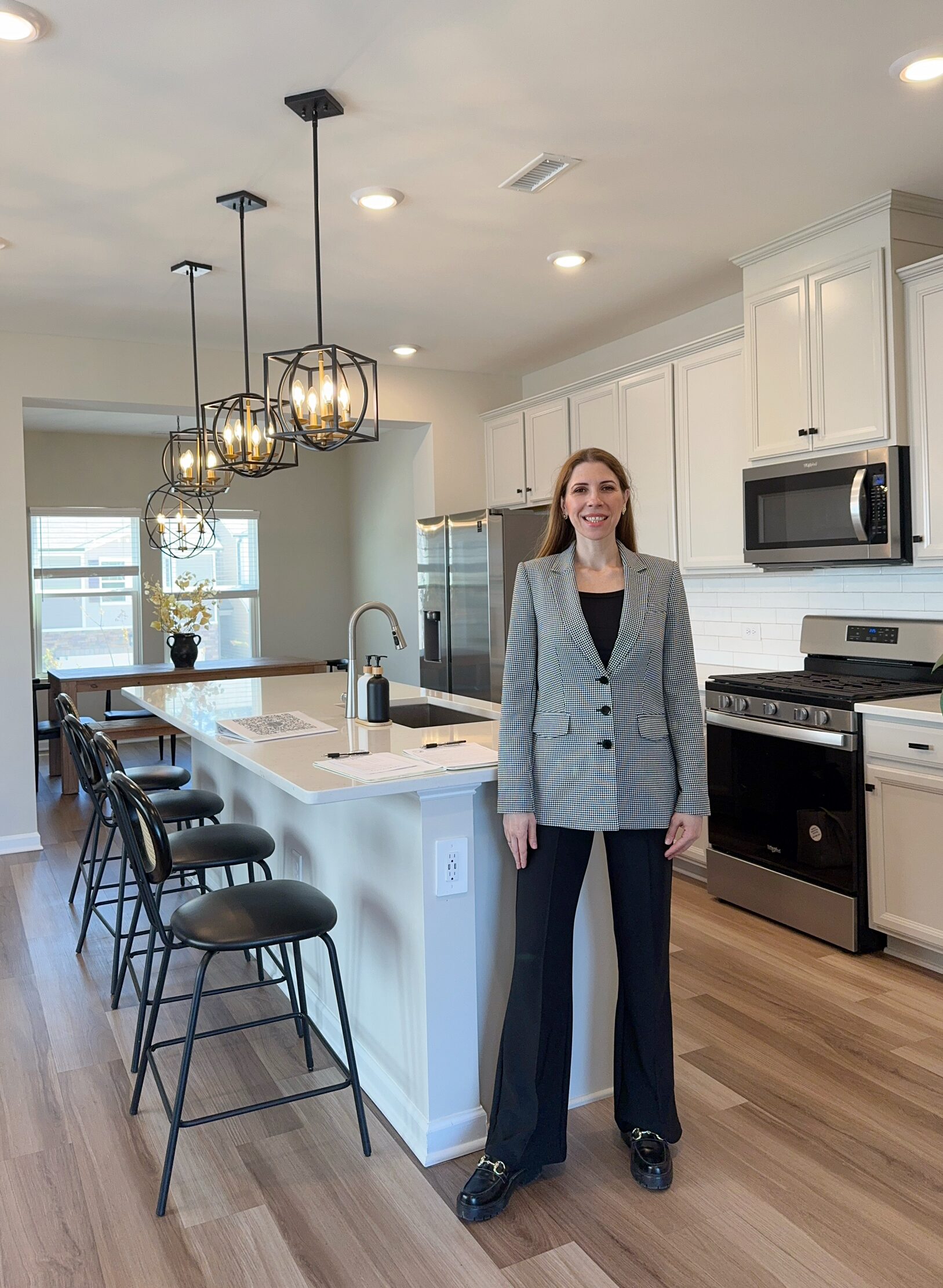
Anna Rukhlina works with sellers throughout Cary and the Triangle — Preston, MacGregor, Lochmere, Amberly, Carpenter Village, Downtown Cary, and surrounding communities. · Real Estate Broker · DASH Carolina · 919-332-6256