Selling Your Home in Apex, NC
Apex has grown steadily into one of the most sought-after towns in Wake County — and it’s earned that reputation.
Strong schools, a genuine historic downtown, and a community identity that newer developments in the Triangle haven’t yet replicated make Apex a consistent destination for buyers across a wide range of price points and life stages. But Apex is also one of the most active new construction markets in the Triangle. Builders are competing directly with resale sellers here in ways they aren’t in Cary or established Raleigh neighborhoods. Knowing that going in shapes everything — from how you price to how you present your home.
Who Buys Homes in Apex
Apex draws buyers across a wide range of price points — each with distinct priorities shaped by schools, commute, downtown character, and new construction options.
Families with school-age children are a significant part of the Apex buyer pool. Apex’s schools and the town’s overall reputation for family-friendly community life make it a frequent destination for buyers who are specifically researching where to put down roots in the Triangle.
Buyers relocating from Cary or moving up from Holly Springs and Fuquay-Varina. Apex sits between Cary to the north and the fast-growing southern Wake communities to the south. Buyers who want Cary’s feel without Cary’s price point sometimes target Apex. Buyers from further south who want more established neighborhoods, closer proximity to RTP, and authentic community character move toward Apex.
Pharma and biotech professionals from the NC-55 corridor — which runs through Apex and connects to Research Triangle Park — represent consistent buyer demand. Companies along this corridor employ a large and growing workforce, many of whom prefer to live close to work.
First-time and move-up buyers are drawn by Apex’s range of price points. Unlike Cary, which skews toward mid-to-upper pricing across most neighborhoods, Apex has more entry-level and mid-range options alongside its more expensive communities — giving it a broader buyer audience.
Downtown Apex enthusiasts — a specific buyer type who is drawn to the walkable, historic character of downtown and wants to live within or near the town center. This buyer is not cross-shopping with suburban developments; they’re looking for something Apex offers that most Triangle towns don’t.
Apex’s Neighborhoods: What Sellers Should Know
Apex neighborhoods vary widely — from walkable historic downtown to amenity-rich master-planned communities and active new construction corridors.
Apex Seller Snapshot
| Area | Typical Buyer | Key Value Driver | Main Competition |
|---|---|---|---|
| Historic Downtown Apex | Lifestyle buyers, downtown enthusiasts | Walkability, character, community | Other downtown-adjacent homes |
| Salem Village | Families, established buyers | Amenities, location, retail access | Other established Apex communities |
| Haddon Hall | Families, move-up buyers | Established neighborhood, location | Entry Cary, other mid-Apex options |
| Sweetwater | Families, relocation buyers | Amenities, newer homes, community | New construction in south Apex |
| Yates Pond / Woodland Creek | Established families | Wooded lots, privacy, character | Other wooded Apex communities |
| NC-55 Corridor communities | Pharma/biotech, relocation | Employer access, newer construction | Active builders along corridor |
| South Apex new developments | First-time and move-up buyers | Price point, newer construction | Builders, Holly Springs resale |
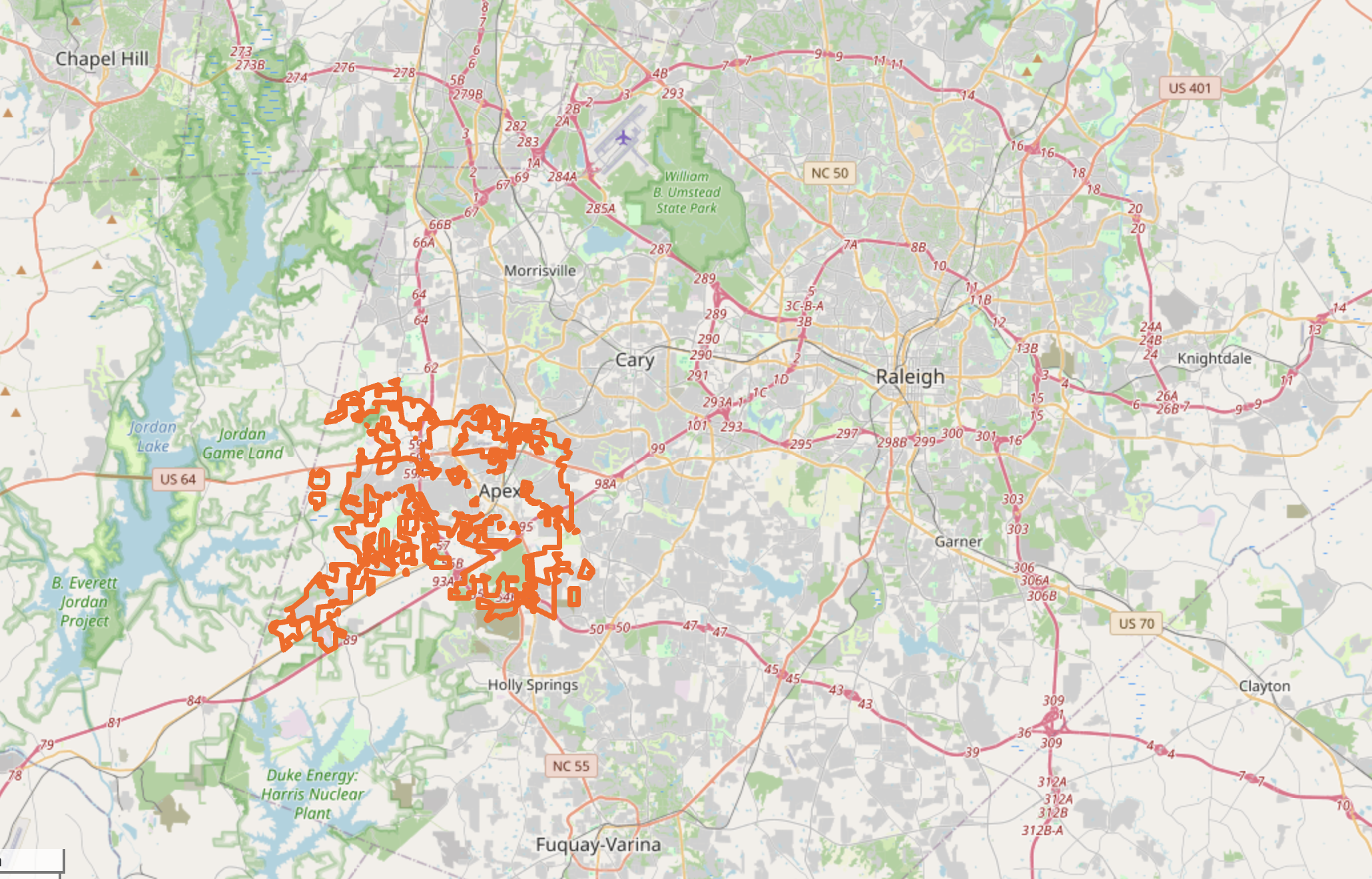
Historic Downtown Apex
Downtown Apex is one of the most authentic small-town downtowns in the Triangle — not a manufactured town center, but a genuine historic district that has evolved organically over decades. Restaurants, small businesses, community events, and a walkable street grid give it a character that buyers specifically seek out.
What drives demand
The lifestyle. Buyers who target downtown Apex are choosing a way of living — walkable, community-oriented, distinctly “Apex” — that they can’t find in a newer subdivision regardless of amenities. Proximity to downtown adds a premium to homes within walking distance, and many buyers consider it a primary filter, not an afterthought.
What sellers should know
Homes near downtown Apex tend to be older and vary more in size and style than newer subdivisions. Buyers here often accept — and sometimes prefer — the character that comes with age. Condition still matters, but the buyer is typically not comparing your 1950s bungalow to a new build; they’re comparing it to other homes with the same downtown proximity. Marketing should lead with location and lifestyle, not square footage.
Salem Village
Salem Village is one of Apex’s largest and most established communities — a master-planned neighborhood with pools, tennis courts, greenways, and a strong community organization. It has been one of Apex’s most consistently in-demand communities for decades.
What drives demand
Community scale and infrastructure, location close to US-64 and RTP access, proximity to Beaver Creek shopping and major retail, mature landscaping, and a well-established reputation. Salem Village buyers often know the community specifically and target it rather than arriving by comparison.
What sellers should know
Homes range in age and size across a large footprint. Updated homes sell faster and at stronger prices — Salem Village buyers compare carefully within the community. HOA amenities are a genuine selling point; make sure buyers know what’s included. The community’s size means your comp pool is usually adequate and pricing is relatively reliable.
Haddon Hall
Haddon Hall is an established neighborhood with a mix of home sizes and styles, good access to downtown Apex and major commute routes, and a loyal resident base.
What drives demand
Location, established character, and proximity to downtown Apex and Cary. Buyers in Haddon Hall often want Apex’s community feel with convenient access to both Apex’s town center and the broader western Triangle.
What sellers should know
Haddon Hall competes with both newer Apex communities and entry-level Cary options. Homes that are well-maintained and updated sit in a favorable position. Deferred maintenance here faces more buyer scrutiny than in communities with less competition in the price range.
Sweetwater
Sweetwater is a master-planned community in Apex with extensive amenities — pools, clubhouse, walking trails — developed over multiple phases across the last two decades.
What drives demand
Newer construction with open floor plans, community amenities, and Apex’s overall reputation. Relocation buyers who want newer homes and structured community amenities often target Sweetwater alongside similar communities in Holly Springs and Fuquay-Varina.
What sellers should know
Sweetwater competes more directly with new construction than older Apex neighborhoods. Builders in south Apex and Holly Springs offer new product with modern layouts and incentives that resale sellers have to account for. Resale homes in Sweetwater that are in excellent condition and priced correctly compete effectively. Homes with deferred maintenance or dated finishes face more price pressure.
Yates Pond / Woodland Creek and Similar Wooded Communities
The communities around Yates Pond, Woodland Creek, and similar wooded Apex neighborhoods offer wooded lots, more privacy, and a natural setting that’s harder to find in newer developments — a distinct character relative to most Apex subdivisions.
What drives demand
The wooded, private character. Buyers who target this area have often specifically sought out the combination of Apex’s community and a more naturalistic setting. Backing to trees, larger lots, and privacy premium are real value drivers here.
What sellers should know
This buyer has made an intentional choice. Marketing should emphasize the setting and privacy — not just specs. Lot characteristics matter more here than in most Apex neighborhoods, and they should be front and center in how the home is presented.
NC-55 Corridor Communities
The communities along NC-55 between Apex and the RTP area — including newer developments and established neighborhoods between Holly Springs Road and the RTP boundary — draw primarily from the pharma, biotech, and tech employer base along this corridor.
What drives demand
Commute to RTP and the NC-55 employer corridor, newer housing stock in many communities, and access to Apex’s amenities and character. Buyers here tend to be more employer-driven in their location decision than buyers in downtown-adjacent Apex communities.
What sellers should know
New construction competition is most active here. Builders in this corridor compete with resale sellers, and buyer incentives from builders (rate buydowns, closing cost credits, design center upgrades) are a direct comparison. Resale sellers need to know what nearby builders are offering and price accordingly.
What Apex Sellers Often Miss
New construction is a real competitor — not a background factor
In Cary’s established neighborhoods, builders aren’t offering new product down the street. In much of Apex, they are. Buyers comparing your resale home are often simultaneously visiting model homes with incentives. Knowing what builders are offering and how your home compares — on price, condition, and presentation — is essential.
Downtown Apex is a selling point that many sellers underutilize
If your home is walkable to downtown, that belongs in the headline, not buried in the description. This buyer is not comparing your home to a subdivision in Holly Springs — they’re comparing it to other homes with the same proximity. Proximity to downtown commands a premium that’s separate from the home’s square footage or condition.
Buyers coming from Cary and buyers coming from Holly Springs are different
A buyer moving from Cary toward Apex has typically already evaluated Cary and found it either too expensive or less aligned with what they want. A buyer moving north from Holly Springs or Fuquay is often looking for more established neighborhoods and closer RTP access. These buyers have different priorities and different comparison sets — understanding which you’re marketing to shapes how you position the home.
Builder incentives affect your negotiations, not just your price
When a builder nearby is offering $20,000 in closing cost assistance and a rate buydown, buyers factor that into their calculus. It doesn’t always mean you need to match it — but being unaware of it puts you at a disadvantage when negotiating.
The Apex “brand” attracts buyers from outside the Triangle
Apex has appeared on national “best places to live” lists, and out-of-state buyers doing early research often have it on their shortlist. This creates a steady stream of buyer interest from people who haven’t yet visited — which is why strong photography and online presentation matter particularly here.
What Drives Home Value in Apex
Proximity to Downtown
Walkability to Historic Downtown Apex is one of the most distinct value drivers in the market — a premium that doesn’t exist in most Triangle suburbs. Homes within easy walking distance of downtown command meaningful premiums over comparable homes further away.
New Construction Baseline
Because active new construction exists in parts of Apex, resale homes are implicitly benchmarked against what buyers can get new nearby. Resale homes need to offer something a new build doesn’t — established lot, mature landscaping, location proximity to downtown or employment, or simply a price that accounts for the comparison.
Community Amenities
Well-amenitized communities — Salem Village, Sweetwater, and similar — have buyers who specifically seek those amenities. Pool, tennis, greenways, and clubhouse access are priced in where they exist and missed where they don’t.
Lot and Setting
Apex has more variation in lot character than newer master-planned communities — wooded lots, larger parcels, privacy — and buyers who target those characteristics pay for them.
Access
Proximity to US-64 (to Raleigh and RTP) and NC-55 (to the pharma/biotech corridor) shapes buyer demand across different parts of Apex. Access matters differently depending on where the buyer works.
Pricing in Apex: What Sellers Need to Know
Apex has a wider price range than Cary — more entry-level, more mid-range, and a different ceiling. Pricing needs to account for both neighborhood-specific comps and the new construction baseline in your area.
The most common mistake Apex sellers make is ignoring what builders are offering nearby. If a new home down the road has modern finishes, incentives, and a warranty, your resale pricing needs to reflect what you offer that’s different — whether that’s location, lot, established landscaping, or character. Trying to price above that comparison without a clear reason loses buyers quickly.
Want to know where your home stands relative to the current Apex market? Get Your Free Apex Home Value Analysis or see the Home Value & Pricing guide.
Common Questions from Apex Sellers
Ready to Sell in Apex?
Apex rewards sellers who understand the market’s specific dynamics — new construction competition, downtown premium, and the buyer types this community attracts. The right strategy depends on where in Apex you are and who you’re marketing to.
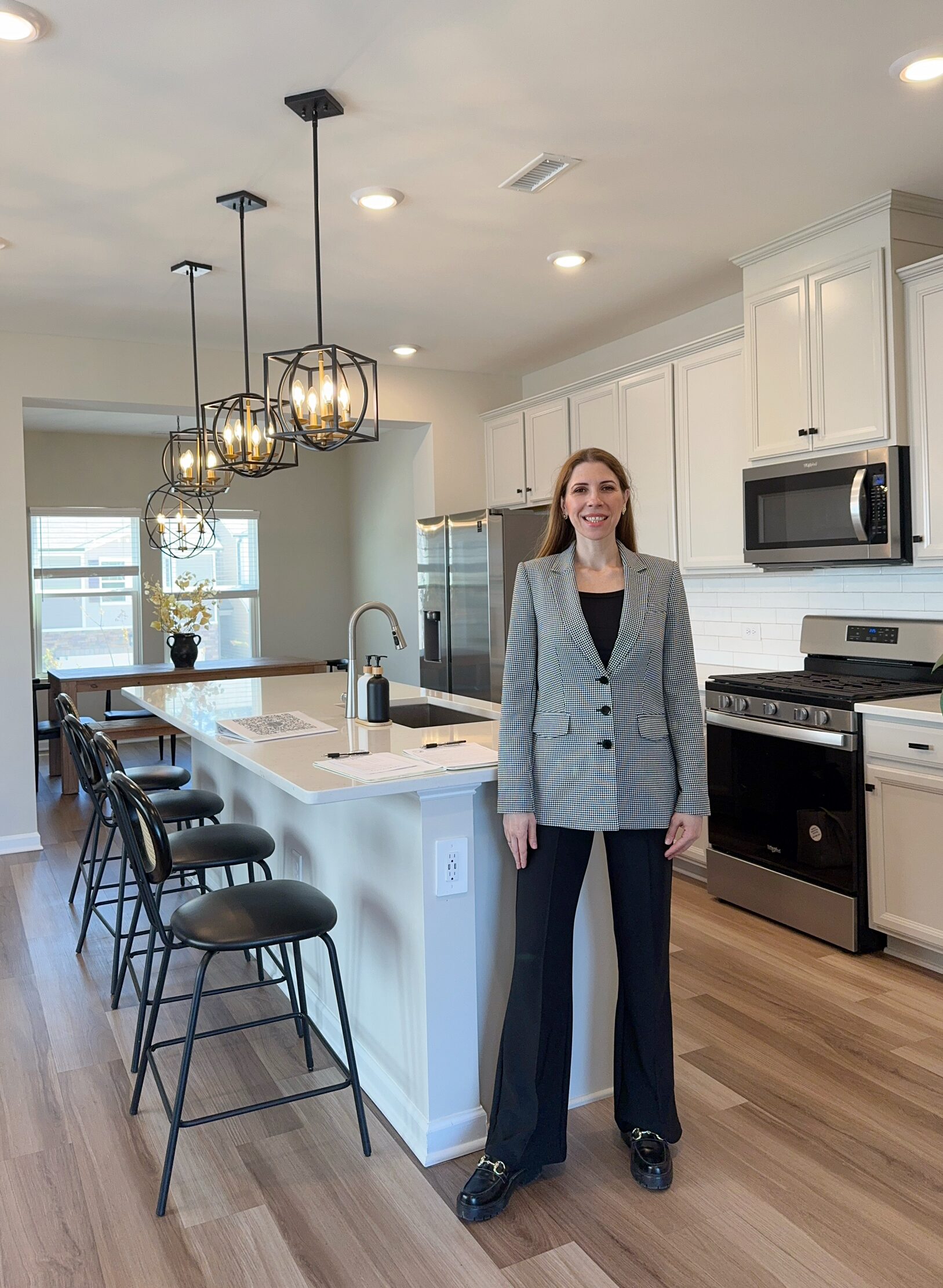
Anna Rukhlina works with sellers throughout Apex and the Triangle — Historic Downtown, Salem Village, Sweetwater, Haddon Hall, and surrounding communities. · Real Estate Broker · DASH Carolina · 919-332-6256