How to Prepare Your Home for Sale in the Triangle
Buyers form an opinion about a home within seconds of seeing it — online and in person.
How well your home is prepared determines how many showings you get, how strong the offers are, and how quickly you close. You don’t need a full renovation. You need to remove the things that give buyers a reason to hesitate.
This guide walks through everything Triangle sellers need to do before going to market.
Curb Appeal
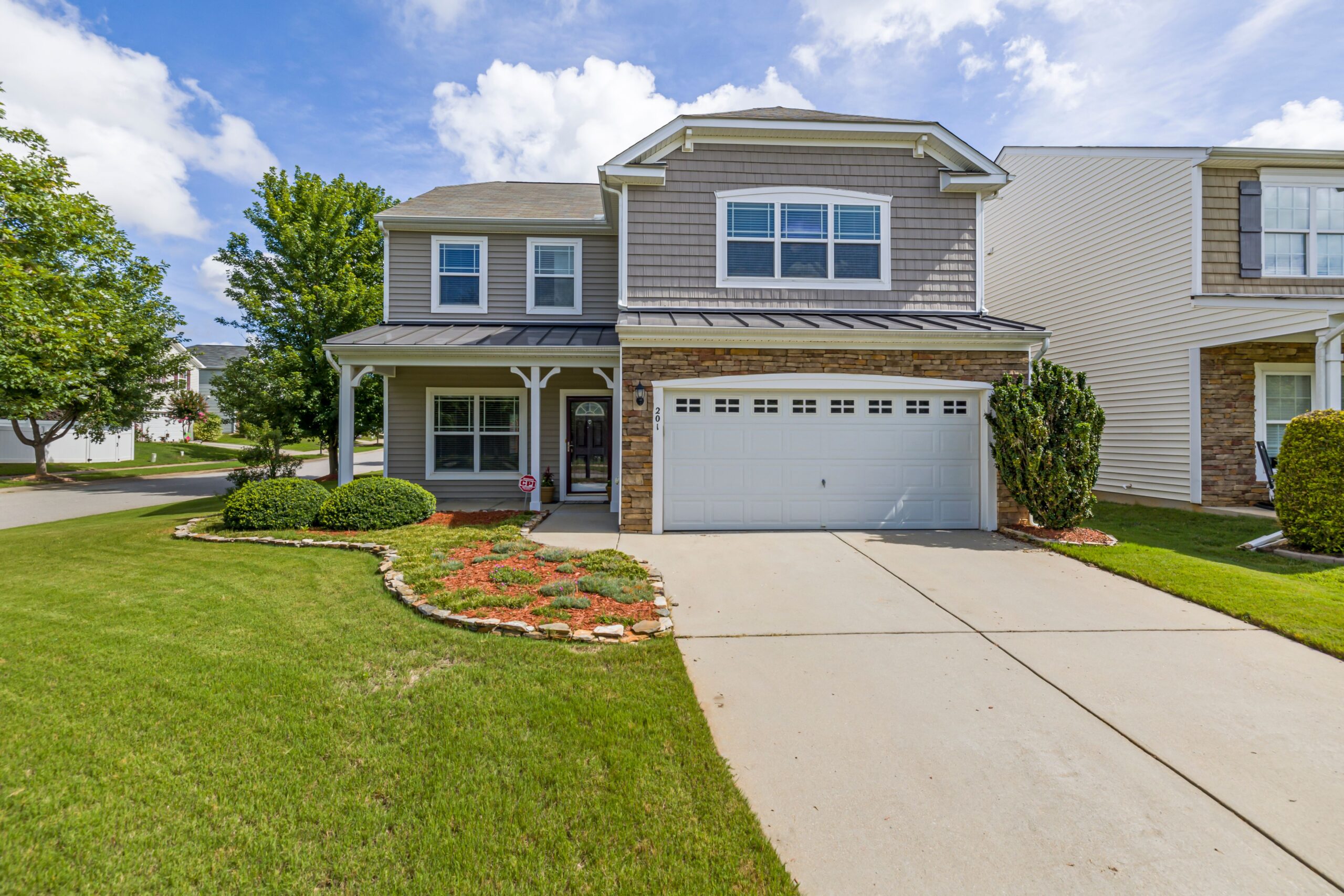
The buyer’s opinion starts before they open the front door. For online listings, it starts with the first photo. Curb appeal isn’t cosmetic — it’s the difference between a buyer who schedules a showing and one who keeps scrolling.
What to do
- Mow, edge, and trim. Clean lines matter more than landscaping upgrades.
- Pressure wash the driveway, walkway, and exterior siding if it needs it.
- Paint or replace the front door if it’s dated or scuffed. This has one of the highest visual returns per dollar of anything you can do.
- Replace or repaint house numbers, mailbox, and exterior light fixtures if they look tired.
- Add simple seasonal plants near the entrance — a couple of planters is enough.
- Clear gutters and make sure downspouts are attached and directed away from the foundation.
- Remove anything that doesn’t belong: yard equipment, hoses, kids’ toys, extra cars.
What to Fix Before You List — and What to Leave Alone
This is where sellers most often make the wrong call. Money spent on the wrong things before listing doesn’t come back. Money not spent on the right things costs you offers.
Fix these
These are the items that show up on buyer inspection reports, give buyers leverage to negotiate, or simply signal neglect:
- Dripping faucets and running toilets
- Broken cabinet hinges, drawer pulls, and door handles
- Sticking or squeaking doors and windows
- Burned-out light bulbs (every single one — buyers flip every switch)
- Cracked caulk around tubs, showers, and sinks
- Water stains on ceilings or walls — even old ones read as active problems
- Torn window screens
- Chipped paint on trim, doors, and walls in high-traffic areas
- HVAC filters — replace them, and have service records available if you have them
Leave these alone
- A full kitchen or bathroom remodel. You will almost never recover the cost in the sale price, especially if the timeline is short.
- New carpet throughout the house — unless it’s in genuinely poor condition. Credit buyers for flooring at closing instead.
- Any personalized or taste-specific upgrade. What you love may not match what your buyer wants.
- Finishing incomplete projects if they were incomplete for a reason. Half-done work reads worse than not started.
The question to ask before any repair or upgrade: Will a buyer at my price point expect this, or is this above what the market requires? Your agent can help you answer that for your specific situation.
Declutter and Depersonalize
Buyers need to be able to picture themselves living in your home. That’s hard to do when they’re looking at your life. Decluttering isn’t about judgment — it’s about creating space for the buyer’s imagination.
Declutter
- Apply the 50% rule to every closet and cabinet. Half-empty storage reads as abundant. Stuffed closets read as not enough space.
- Clear kitchen counters down to one or two items. Appliances, mail, fruit bowls, paper towels — all of it goes.
- Remove furniture that makes rooms feel cramped. Less furniture makes rooms feel larger.
- Clear the garage enough that buyers can see the size of the space, not just your storage.
- Rent a storage unit if needed. It’s worth it.
Depersonalize
- Family photos come down. Not because they’re not beautiful — because they make it hard for a buyer to see themselves in the space.
- Personal collections, religious items, and political décor go into storage.
- Children’s artwork and name wall décor come off.
- Pet supplies (bowls, beds, crates) should be out of sight for showings.
Deep Clean
Buyers notice smell before anything else. Then they notice cleanliness. A home that smells clean and looks clean signals maintenance. A home that doesn’t raises questions about what else might be wrong.
Prioritize these areas
- Windows — inside and out. Clean windows make rooms look brighter and larger.
- Window blinds and sills — often skipped, always noticed.
- Kitchen: inside oven, range hood filters, inside refrigerator (if staying), cabinet fronts.
- Bathrooms: grout lines, caulk, exhaust fans, behind the toilet.
- Baseboards, crown molding, and ceiling fans — dust accumulates there and shows in photos.
- HVAC vents and returns.
- Light switch plates and outlet covers — yellowed ones can be replaced for almost nothing.
- Garage floor if stained.
On smell: Neutral is better than scented. Strong air fresheners or candles raise suspicion about what’s being masked. Clean the source of any odor — pets, cooking, moisture — rather than covering it. Open windows before showings when weather allows.
Professional deep cleaning before listing is usually worth the cost, particularly for larger homes or homes that have been heavily lived in.
Staging: How Much Do You Need?
Staging is about helping buyers see the home’s potential, not your furniture arrangement. How much staging you need depends on your home, your price point, and how strong the competition is.
Level 1 — Rearrange and edit (free)
Move furniture to improve flow and make rooms feel larger. Remove pieces that crowd the space. Ensure every room has a clear purpose. This is the baseline — every seller should do this.
Level 2 — Refresh with accessories (low cost)
New white towels in bathrooms. A simple centerpiece on the dining table. Fresh throw pillows in neutral tones. A few green plants. These small additions photograph well and make a home feel cared for without looking staged.
Level 3 — Professional staging
Most impactful for vacant homes, luxury price points, and homes competing in highly active neighborhoods. A professional stager brings in furniture and accessories calibrated for buyer psychology at your price point. In markets like North Raleigh and Cary — where buyers are comparing several similar homes — professional staging can create a meaningful edge.
Preparing for Photography
Your photos are your first showing. Most buyers see your home online before they ever step inside — and many decide whether to schedule a visit based on the listing photos alone.
The day before or morning of photos
- Move all cars off the driveway and out of frame.
- Put trash cans, garden hoses, and recycling bins out of sight.
- Open all blinds and curtains. Turn on every light in every room.
- Clear all counters — kitchen, bathrooms, laundry room.
- Make all beds with clean, tight linens.
- Remove pet beds, food bowls, litter boxes, and toys.
- Put toilet lids down.
- Clear the kitchen sink completely.
- Fresh towels, neatly folded, in all bathrooms.
Professional photography is standard in today’s market. If your agent doesn’t include it, ask why. The difference between professional and phone photos in online listings is significant and directly affects showing volume.
Should You Get a Pre-Listing Inspection?
A pre-listing inspection is when you hire a home inspector before going to market — on your own, before a buyer’s inspector does it. It’s not required, and agents have different views on it. Here’s an honest look at both sides.
Arguments for
You find out what’s there before buyers do. You can fix it at your pace and price, rather than under contract pressure. If significant issues exist, you have time to decide whether to repair, disclose and price accordingly, or adjust your strategy. It can also signal transparency to buyers and reduce the likelihood of renegotiation after the buyer’s inspection.
Arguments against
In most states — including North Carolina — you are legally required to disclose material defects you know about. A pre-listing inspection creates documented knowledge. If you discover something and don’t fix it, you’re still obligated to disclose it. Some agents prefer to let the buyer’s inspector find issues and negotiate from there.
The right call depends on your home’s condition, your risk tolerance, and current market conditions. Ask your agent what they’ve seen work in your specific neighborhood.
Triangle-Specific Preparation Considerations
A few things that matter more in the Triangle than in other markets:
HVAC
North Carolina summers are hot and humid. Buyers’ inspectors check HVAC performance carefully, and buyers who’ve lived here know how important it is. If your system is old or hasn’t been serviced recently, have it checked before listing. Have your service records available. A failing HVAC is one of the most common deal complications in this market.
Crawl Space and Moisture
The Triangle’s humidity creates real risk of crawl space moisture issues, vapor barrier deterioration, and wood rot. Buyers’ inspectors always check. If you haven’t looked under your home recently, do it before listing. Problems found during a buyer’s inspection are expensive to negotiate under contract pressure.
New Construction Competition
In Wake Forest, Clayton, Fuquay-Varina, and parts of Apex and Holly Springs, your resale home competes with new builds that come with builder warranties, modern finishes, and sometimes significant closing cost incentives. Preparation matters more in these markets because buyers have a move-in ready baseline to compare against.
HOA Documents
If your home is in an HOA, gather your documents before listing: current resale disclosure packet, budget, meeting minutes, rules and regulations. This is often required at contract and is one of the more common sources of closing delays. Getting it done early removes a variable.
Pre-Listing Checklist
Use this as your preparation tracker in the weeks before you list.
4–8 Weeks Out
- Walk through every room and identify repairs
- Schedule any contractors needed (painting, plumbing, HVAC service)
- Begin decluttering room by room
- Research storage unit rental if needed
- Request pre-listing inspection if applicable
- Gather HOA documents if applicable
2–4 Weeks Out
- Complete all minor repairs
- Deep clean entire home, or schedule professional cleaners
- Remove personal photos and excess décor
- Clear out closets and cabinets to 50% capacity
- Pressure wash exterior if needed
- Address curb appeal: lawn, plants, front door, exterior lights
1 Week Out
- Final furniture edit and rearrangement
- Purchase staging accessories if using Level 2 approach
- Confirm photography date with agent
- Clean windows inside and out
- Replace any remaining burned-out bulbs
Day of Photography / Showings
- All cars off driveway
- All counters cleared
- All lights on, all blinds open
- Pet items out of sight
- Fresh towels in bathrooms
- Take the dog with you
Frequently Asked Questions
Ready to Get Started?
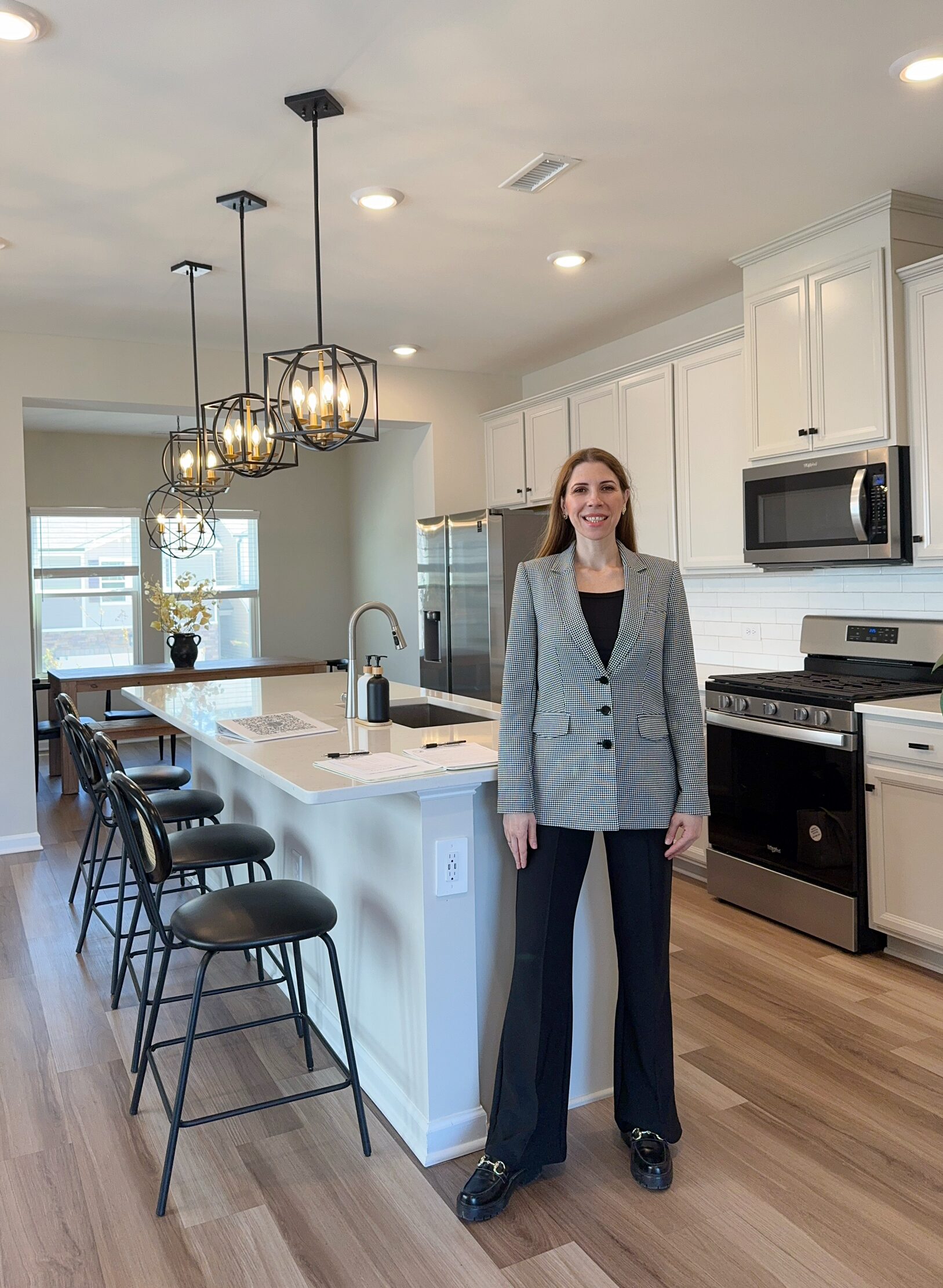
Preparation is the part of the selling process you control most directly. A pre-listing consultation helps you prioritize — so you spend time and money where it actually moves the needle.
Anna Rukhlina works with sellers throughout the Triangle — Raleigh, Cary, Apex, Wake Forest, Clayton, Durham, and surrounding communities. · Real Estate Broker · DASH Carolina · 919-332-6256