Selling Your Home in Durham, NC
Durham is unlike any other market in the Triangle. It’s driven by different buyers, shaped by different priorities, and defined by a city identity that its residents chose deliberately. Buyers who end up in Durham aren’t looking for the same things as buyers in Cary or Apex — and sellers who understand that distinction market and price more effectively.
Duke University, a nationally recognized food and arts scene, and direct access to Research Triangle Park create a buyer pool that is educated, intentional, and often very specific about what they want. That specificity is an advantage for sellers who know how to speak to it.
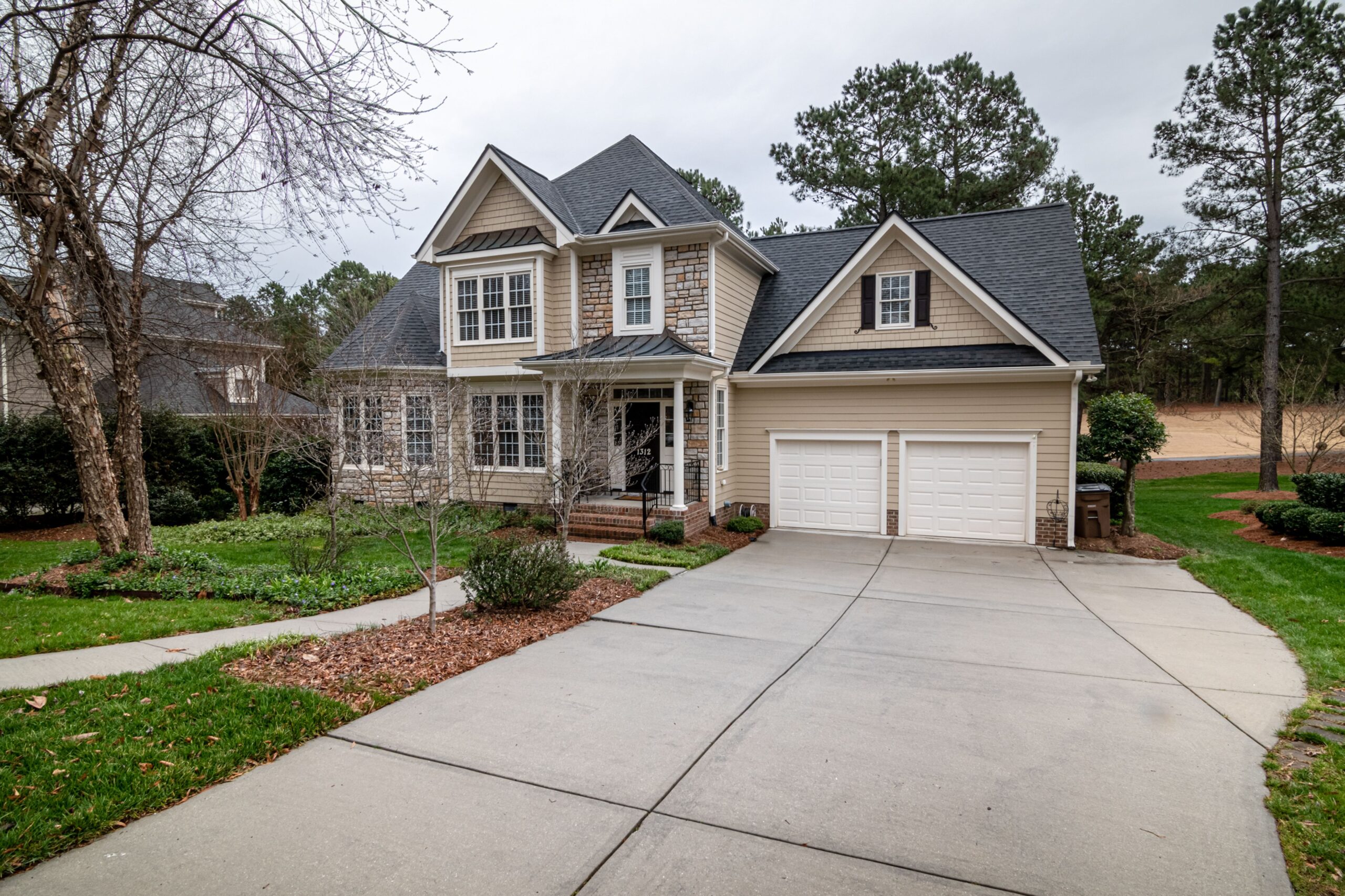
Who Buys Homes in Durham
Durham draws Duke-connected buyers, RTP employees, and buyers who chose the city for its character — each with distinct priorities and comparison sets.
Duke University faculty, staff, and affiliated professionals. Duke is the single most powerful demand driver in Durham’s residential market. Faculty relocating for positions, medical professionals joining Duke Health System, researchers on long-term appointments, and administrative staff at all levels represent a consistent and well-qualified buyer pool. Many Duke buyers have national or international search processes — they may be comparing Durham to university towns across the country, not just other Triangle markets.
Research Triangle Park employees. Durham provides some of the most convenient access to Research Triangle Park. Many RTP employees choose Durham because of the commute advantages to major employers in the research park — often faster than from many Wake County communities. Pharma, biotech, and tech employees working at RTP headquarters represent substantial demand, particularly for homes in southern Durham near Southpoint and the RTP corridor.
Buyers who chose Durham for its character. A meaningful segment of Durham buyers have specifically chosen Durham over Cary, North Raleigh, or other Triangle options because of the city’s identity — the food scene, the arts community, the historic neighborhoods, the urban texture. These buyers are not cross-shopping with suburban Wake County markets. They’ve already made that decision. For sellers in neighborhoods that embody Durham’s character, this buyer is intensely motivated.
Chapel Hill and Carrboro spillover buyers. Orange County home prices — particularly in Chapel Hill and Carrboro — are high, and buyers priced out of those markets sometimes look to Durham neighborhoods that offer similar character and university proximity at better price points. This cross-market flow is real, particularly for Durham neighborhoods near the Orange County line.
Investors and landlords. Durham’s large student and young professional renter population creates ongoing investor interest. In some Durham neighborhoods, sellers may receive investor offers alongside traditional buyer offers. Understanding the difference — and evaluating them accordingly — matters.
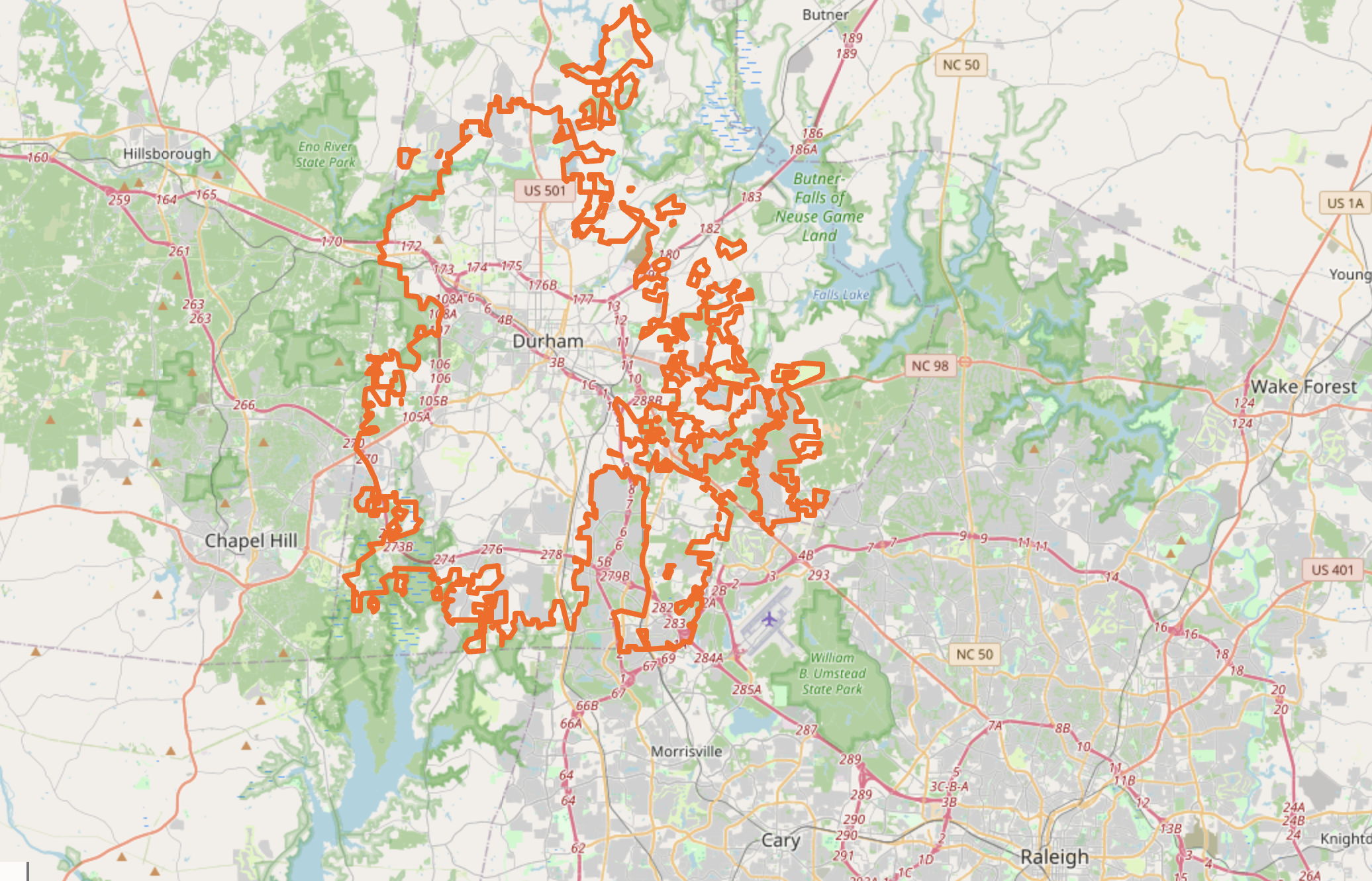
Durham Neighborhoods: What Sellers Should Know
Durham neighborhoods range from Duke-adjacent historic districts to golf-community Hope Valley and RTP-accessible Southpoint — each with its own buyer pool and comp set.
Durham Seller Snapshot
| Area | Typical Buyer | Key Value Driver | Main Competition |
|---|---|---|---|
| Trinity Park / Duke Park | Duke community, lifestyle buyers | Duke proximity, walkability, character | Watts-Hillandale, each other |
| Watts-Hillandale | Duke community, character seekers | Historic homes, walkability, community | Trinity Park, Duke Park |
| Forest Hills | Established families, executives | Prestige, central Durham, historic status | Hope Valley, top-end Durham comps |
| Hope Valley | Established families, Duke faculty | Golf, larger lots, country-club lifestyle | Forest Hills, some Cary luxury options |
| Woodcroft | Families, RTP employees | Community amenities, location, value | South Durham communities |
| Southpoint / New Hope corridor | RTP employees, families | RTP access, newer construction | Cary, Apex, Morrisville resale |
| Downtown Durham adjacent | Urban buyers, Duke community | Walkability, arts scene, urban access | Other urban-adjacent Durham homes |
Trinity Park and Duke Park
Trinity Park and Duke Park are Durham’s most recognizable established neighborhoods — tree-lined streets, character homes from the early 20th century, walkability to Duke’s East Campus, and a community identity that has been deliberately preserved over decades.
What drives demand
Proximity to Duke East Campus and the walkable connection to central Durham, the architectural character of the homes, and a neighborhood identity that buyers from across the country recognize and seek out. Duke faculty and researchers often specifically target these neighborhoods — for many, living within walking distance of campus is not a preference but a priority.
What sellers should know
This is Durham’s most consistently competitive resale market. Buyers targeting Trinity Park and Duke Park have typically done extensive research and arrived with clear intent. The buyer is not comparing your 1920s craftsman to a new build in Cary — they’ve already dismissed that comparison. What they are comparing is condition, updates, and price relative to other homes in these specific neighborhoods. Home age requires honest preparation. Systems — HVAC, electrical, plumbing — in homes of this vintage are common inspection findings. Buyers here generally accept the reality of older homes but expect them to be maintained. Condition and disclosure are more important in these neighborhoods than anywhere else in Durham.
Watts-Hillandale
Watts-Hillandale is an established neighborhood adjacent to Trinity Park and Duke Park with similar character — historic homes, walkability, mature trees — and a slightly broader range of price points.
What drives demand
The same lifestyle and proximity factors that drive Trinity Park, at a somewhat broader price range. Buyers who want the Durham character and Duke proximity but find Trinity Park’s price points limiting often arrive in Watts-Hillandale.
What sellers should know
Watts-Hillandale buyers are comparison-shopping within this cluster of Durham neighborhoods — Trinity Park, Duke Park, and Watts-Hillandale — rather than looking across markets. The comp pool is tight and well-defined. Home character and condition are the primary differentiators.
Forest Hills
Forest Hills is one of Durham’s most prestigious established neighborhoods — larger homes, larger lots, architectural variety, and a community with a distinct identity that has been in place for generations.
What drives demand
Prestige, central Durham location, and historic status. Forest Hills carries a recognized address within Durham — buyers here are often seeking that specific distinction, not just square footage. The neighborhood’s maturity, proximity to Duke, and established community character are the core appeal.
What sellers should know
Forest Hills operates at Durham’s upper price range. Buyers here are comparing within Forest Hills and against Hope Valley. The key distinction: Forest Hills buyers are typically drawn to central Durham prestige and proximity — they want to be in Durham, close to Duke and downtown. Condition and updates matter significantly. Days on market can be longer due to the smaller qualified buyer pool, but motivated buyers at this level tend to be decisive.
Hope Valley
Hope Valley is a large, established neighborhood in south Durham — centered on Hope Valley Country Club with a golf course, a range of home sizes, and a community identity built over several decades.
What drives demand
Golf, larger lots, and a country-club lifestyle that isn’t available in closer-in Durham neighborhoods. Hope Valley buyers often specifically want the space and the golf community infrastructure — it’s a different lifestyle choice than Forest Hills, not just a price tier. The lots, the club, and the more suburban scale are the draw.
What sellers should know
Hope Valley occasionally competes with suburban Wake County options at similar price points — buyers who want space and a country-club lifestyle sometimes compare Hope Valley to Cary or North Raleigh alternatives. This cross-market buyer pool means pricing should account for both Durham comparables and what’s available across the county line. Golf community structure means HOA considerations are part of the buyer conversation from the start.
Woodcroft
Woodcroft is one of Durham’s larger established communities — built over multiple phases with a range of home sizes, community amenities including a pool and tennis, greenways, and a location that provides good access to both Durham and RTP.
What drives demand
Value relative to closer-in Durham neighborhoods, community amenities, greenway access, and convenient location for RTP commuters. Woodcroft attracts a broad buyer pool — families, RTP employees, buyers who want community infrastructure without the price points of Forest Hills or Hope Valley.
What sellers should know
Woodcroft is a well-established community with a reliable resale market. Buyers here are often comparing Woodcroft to Southpoint-area communities and to southern Durham options broadly. Home age and condition are the primary variables within the community. The greenway and outdoor access are genuine selling points for buyers who value them.
Southpoint / New Hope Corridor
The area around Southpoint mall and extending south along US-15-501 and toward Jordan Lake encompasses a mix of newer communities, established neighborhoods, and some of Durham’s more suburban residential development.
What drives demand
RTP access, newer housing stock in some communities, proximity to Southpoint’s retail and dining, and price points that can be competitive with Wake County alternatives. Buyers here are often comparing Durham options to Apex and Research Triangle area communities.
What sellers should know
Many Southpoint buyers compare Durham, Cary, Apex, and Morrisville simultaneously. Location relative to RTP often matters more than municipal boundaries — a buyer focused on their commute to RTP or the NC-55 corridor may evaluate a Southpoint home and a Cary home as direct alternatives. The Durham address is less of a differentiator here than for buyers in Trinity Park or Watts-Hillandale. Pricing needs to account for what buyers can find across the county line, and marketing should lead with access and value rather than Durham’s city character.
Downtown Durham Adjacent Neighborhoods
The neighborhoods close to downtown Durham — including Old North Durham, Cleveland-Holloway, and similar areas in various stages of revitalization — attract buyers who specifically want urban proximity and Durham’s emerging identity as a food, arts, and culture destination.
What drives demand
Walkability to downtown Durham’s nationally recognized restaurant and brewery scene, proximity to the American Tobacco Campus and DPAC, and the combination of urban access with residential character. Some of these neighborhoods are in active transition, which brings both opportunity and uncertainty for sellers.
What sellers should know
These neighborhoods have a specific buyer who has chosen urban Durham intentionally. They’re not comparing to suburban options. They are comparing to other downtown-adjacent homes, to Watts-Hillandale, and sometimes to Chapel Hill neighborhoods with similar character. Market maturity varies significantly block by block — your agent’s knowledge of your specific street matters more here than in established neighborhoods with abundant comps.
What Durham Sellers Often Miss
Duke drives more of the market than sellers realize
In Durham’s established neighborhoods — especially north and central Durham — a disproportionate share of strong offers comes from Duke-connected buyers: faculty, researchers, medical professionals, and administrators. Marketing that speaks to this buyer — walkability to campus, home office space, proximity to Duke Health facilities — reaches the most motivated audience.
Durham buyers have already decided on Durham
Buyers targeting Trinity Park, Watts-Hillandale, or Forest Hills are not cross-shopping with Cary or Apex. They’ve made a lifestyle choice. Sellers don’t need to compete with suburban amenities — they need to present their home as the best Durham option available. That’s a different marketing conversation.
The food and arts scene is a legitimate selling point
Durham’s nationally recognized restaurant scene, the American Tobacco Campus, DPAC, and the broader arts community attract buyers who specifically want to live near them. Proximity to the food and culture corridor has real value for a specific buyer — it belongs in the marketing narrative, not just the “about Durham” boilerplate.
School assignment works differently in Durham
Durham County schools and their assignments are a more complex topic than Wake County. Buyers with school-age children navigate this differently than in Wake County markets. Some Durham buyers prioritize private school access; others are strong advocates of specific Durham public schools. Understanding how school considerations factor into your buyer pool — in your specific neighborhood — matters for positioning.
Home age creates inspection realities that differ from newer markets
Durham’s most desirable neighborhoods have a significant stock of pre-war and mid-century homes. Buyers who target these neighborhoods generally understand and accept this — but sellers should prepare by knowing what their home’s systems look like and what disclosures are appropriate. An unsurprised buyer is a more committed buyer.
Chapel Hill and Carrboro influence Durham more than most sellers realize
For established Durham neighborhoods — particularly Trinity Park, Watts-Hillandale, Hope Valley, and areas near Duke Forest — Chapel Hill and Carrboro represent a real buyer source. Buyers priced out of Orange County often discover they can purchase larger homes, larger lots, or historic properties in Durham while remaining close to UNC, Duke, and RTP. This cross-market flow is meaningful and should inform how sellers in these neighborhoods position and market their homes.
Cross-market comparison depends on which Durham you’re in
Sellers in Southpoint and the southern Durham corridor need to know what’s available across the Wake County line. Sellers in Trinity Park don’t — that buyer isn’t going to Cary. Knowing your buyer and their comparison set shapes the entire pricing and marketing approach.
What Drives Home Value in Durham
Duke Proximity
In north and central Durham, proximity to Duke’s East and West campuses is one of the most significant value drivers in the market — generating consistent demand from a high-income, educated buyer pool that replenishes with every new faculty and medical cohort.
Neighborhood Character and Identity
Durham’s most valuable neighborhoods have identity — Trinity Park, Forest Hills, Hope Valley. That identity has developed over decades and is deeply valued by buyers who’ve chosen Durham specifically. Character homes, mature trees, and established community feel command premiums that newer construction nearby cannot replicate.
Walkability and Urban Access
Proximity to downtown Durham, the food and restaurant corridor, and Duke’s campus is a meaningful value driver for the specific buyer who chose Durham for its urban character. This premium doesn’t exist in every Durham neighborhood but is significant in the ones where it applies.
RTP Access
For buyers employed at RTP, Durham’s location on the research park’s western edge is a direct commute advantage. Neighborhoods with good RTP access — particularly south Durham and the US-15-501 corridor — benefit from this demand.
Condition
In a market with significant historic housing stock, condition signals strongly to buyers. A well-maintained older home with updated systems commands a meaningful premium over a similar home with deferred maintenance, even at the same square footage.
Pricing in Durham: What Sellers Need to Know
Durham has more price variation than any other single market in the Triangle. A home in Trinity Park and a home in a southern Durham subdivision at the same square footage may represent entirely different markets with different buyer pools, different comp pools, and different pricing dynamics.
The most important thing to understand is that “Durham” is not a useful benchmark. Your neighborhood, your specific location within it, and your home’s condition relative to what’s available — those are the relevant variables. A CMA that draws from broad Durham data can miss by a wide margin.
For sellers in Duke-adjacent neighborhoods, the timing of Duke’s academic and recruitment calendar also affects buyer activity — more faculty relocations happen in summer before the academic year, and international buyers may have specific timing requirements. An agent familiar with Duke buyer patterns can help you think about timing.
Curious what buyers are paying in your Durham neighborhood? Get Your Free Durham Home Value Analysis or see the Home Value & Pricing guide.
Common Questions from Durham Sellers
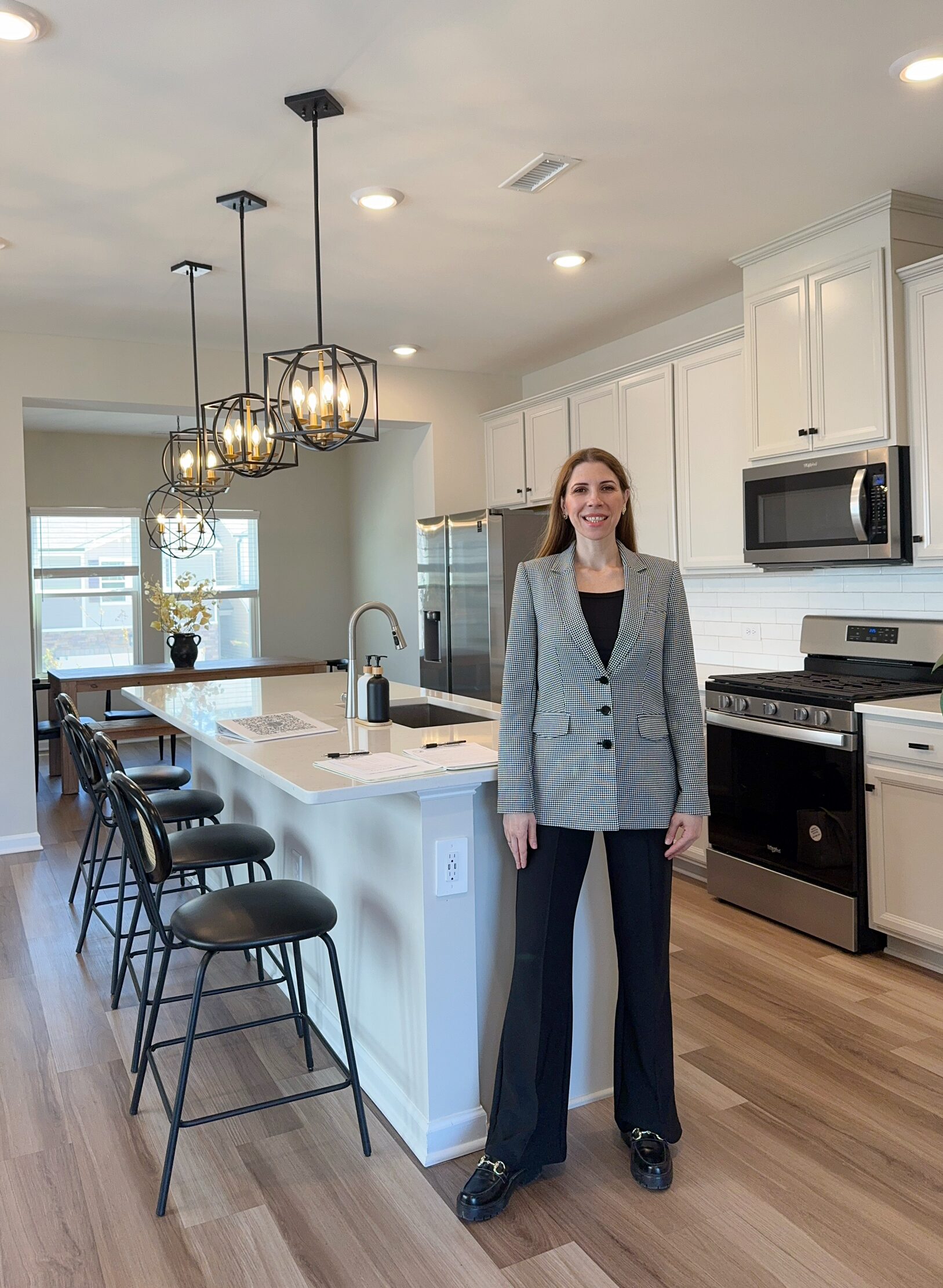
Ready to Sell in Durham?
Durham rewards sellers who understand their specific neighborhood’s buyer and know how to speak to what that buyer is looking for. The right approach looks very different in Trinity Park than in Woodcroft — and different again near Southpoint.
Anna Rukhlina works with sellers throughout Durham — Trinity Park, Watts-Hillandale, Forest Hills, Hope Valley, Woodcroft, Southpoint, and surrounding communities. · Real Estate Broker · DASH Carolina · 919-332-6256