Selling Your Home in Chapel Hill, NC
Chapel Hill is one of the Triangle’s most consistently in-demand markets — and one of its most distinctive. Anchored by the University of North Carolina and surrounded by a community that has deliberately limited growth and development for decades, Chapel Hill offers sellers something rare in the Triangle: genuine scarcity of inventory combined with a buyer pool that is exceptionally well-qualified and often specifically seeking this market.
Selling here requires knowing which buyer you’re marketing to — that shapes pricing, presentation, and timing.
Who Buys Homes in Chapel Hill
Chapel Hill has two distinct buyer audiences — and they are looking for different things. Knowing which one you’re marketing to shapes everything about how you price and present your home.
The near-campus buyer is seeking UNC proximity, walkability, and the academic community character that only Chapel Hill’s established neighborhoods deliver. They are not cross-shopping with Carrboro or southern Chapel Hill — they’ve made a specific location decision.
The southern Chapel Hill buyer is primarily driven by Chapel Hill-Carrboro City Schools, newer homes, and family lifestyle. They are comparing across a broader area — including Carrboro and parts of Hillsborough — and their decision is more price-sensitive.
Other consistent buyer types
UNC-Chapel Hill faculty, researchers, and administrators. UNC is the dominant demand driver in Chapel Hill. Faculty recruiting, academic hiring cycles, and the steady influx of new researchers and medical professionals generate year-round buyer activity. Many Chapel Hill buyers arrive with national or international searches already underway — they may be comparing Chapel Hill to university towns across the country.
UNC Health System professionals. UNC Hospitals is one of the largest employers in the Triangle, and medical professionals — physicians, specialists, researchers, and administrators — represent substantial housing demand, particularly near campus and in established neighborhoods accessible to the medical campus.
Buyers from Chapel Hill-Carrboro City Schools. Chapel Hill-Carrboro City Schools (CHCCS) is one of the most consistently regarded school districts in North Carolina. Families specifically targeting this district — and it is a destination district, not a default — make up a significant segment of Chapel Hill’s buyer pool. Understanding whether your home is assigned to CHCCS or to Orange County Schools is one of the most important facts in your listing.
Buyers priced out of Chapel Hill who find their way back. Some buyers begin their search in Chapel Hill, find price points challenging, and look toward Durham, Hillsborough, or Chatham County. A portion of them return to Chapel Hill after finding that what they wanted — proximity to UNC, school district, community character — wasn’t replicable elsewhere at a lower price.
Retirees and long-term community members downsizing. Chapel Hill has a significant population of long-term residents — faculty emeriti, professionals who built careers in the area, and retirees drawn to the university town lifestyle and medical access. This group generates steady move-down activity within the Chapel Hill market.
Chapel Hill Neighborhoods: What Sellers Should Know
Chapel Hill neighborhoods range from campus-adjacent Gimghoul to new urbanist Southern Village and CHCCS-focused southern corridors — each with distinct buyers and comp sets.
Chapel Hill Seller Snapshot
| Area | Typical Buyer | Key Value Driver | Main Competition |
|---|---|---|---|
| Gimghoul / Battle Park | Senior faculty, UNC community | Campus proximity, historic character | Northside, Westwood comps |
| Northside / Historic Downtown | UNC community, lifestyle buyers | Walkability, Franklin St, character | Other near-campus neighborhoods |
| Southern Village | Families, UNC professionals | New urbanist design, walkability, schools | Meadowmont, Culbreth area |
| Meadowmont | UNC Health professionals, families | Hospital proximity, amenities, newer homes | Southern Village, Culbreth |
| Westwood / Greenwood | Established UNC community | Character, location, long-term identity | Near-campus Durham options |
| Culbreth / Winmore area | Families targeting CHCCS | Schools, community, southern CH access | Southern Village, Carrboro options |
| Rural / Hillsborough adjacent | Price-sensitive CH buyers | Lot size, value, Orange County character | Hillsborough, Chatham County |
Gimghoul / Battle Park Area
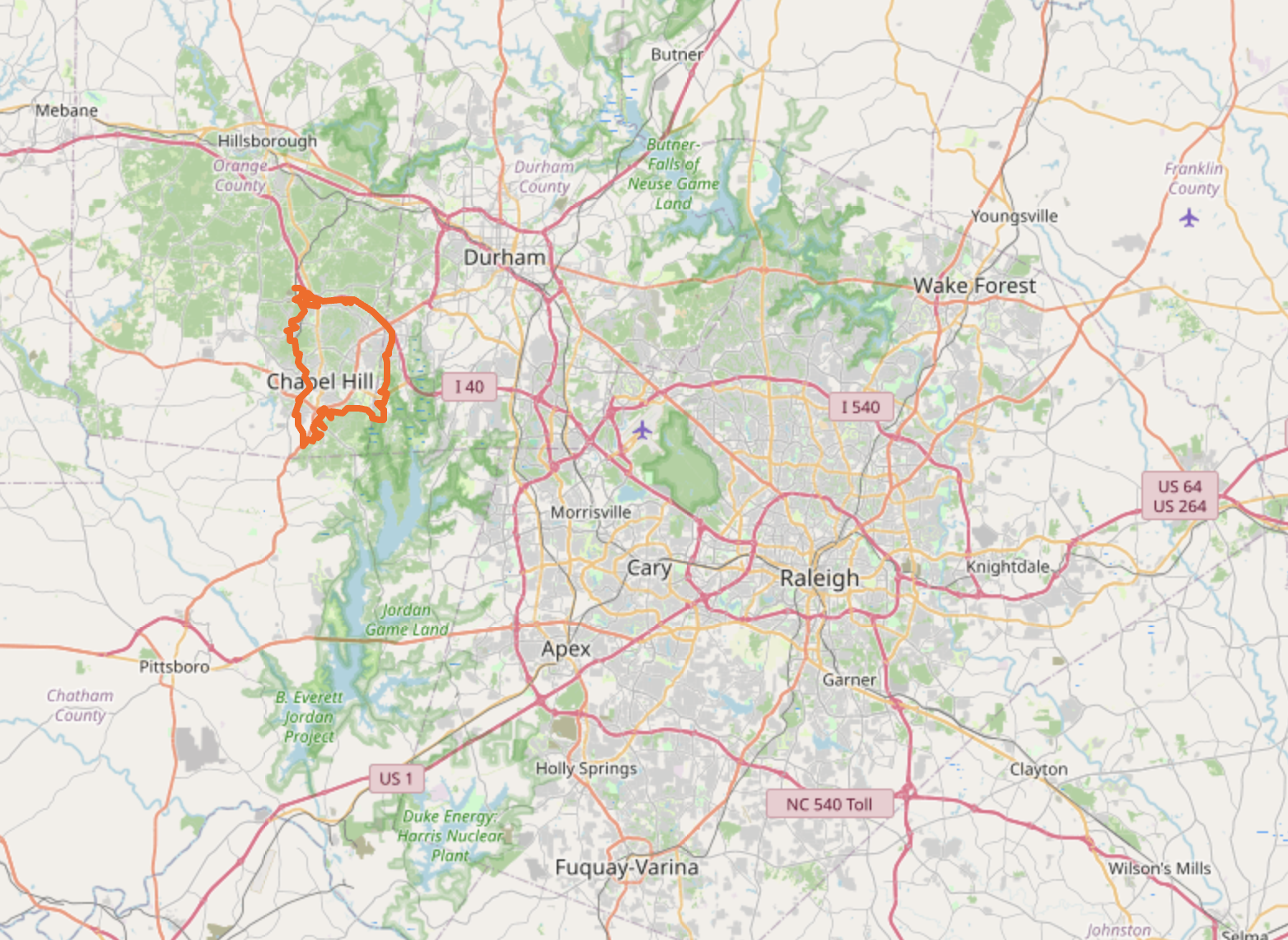
The neighborhoods immediately adjacent to UNC’s campus — including Gimghoul Road, the Battle Park vicinity, and the historic streets just south of campus — represent Chapel Hill’s most prestigious and campus-proximate residential market.
What drives demand
Walking distance to UNC’s main campus, historic homes, mature tree canopy, and a neighborhood identity built over generations. Senior faculty, department chairs, and UNC’s most established academic community have historically concentrated here. The combination of campus access and neighborhood character is irreplaceable — there is no new construction equivalent.
What sellers should know
Homes here are among Chapel Hill’s most carefully evaluated. Buyers at this level are knowledgeable and compare precisely. Condition and appropriate updates matter — buyers expect maintenance to match the price point. The buyer pool is smaller than in more accessible price ranges, but the buyers who target this area tend to be decisive and well-qualified.
Northside and Historic Downtown Adjacent
The Northside neighborhood and blocks near downtown Chapel Hill and Franklin Street offer walkability, historic character, and proximity to both UNC and downtown that is rarely replicated elsewhere in the Triangle.
What drives demand
Walking distance to Franklin Street’s restaurants, shops, and entertainment; proximity to campus; and the authentic neighborhood character that comes from decades of organic development. Buyers here have typically made a deliberate choice for walkability and urban adjacency within Chapel Hill’s scale.
What sellers should know
Home sizes and styles vary considerably in this area. Buyers comparing within this neighborhood cluster are usually focused on walkability score and specific street location rather than square footage. The Franklin Street proximity is a concrete selling point that should be explicit in marketing — not buried in the description.
Southern Village
Southern Village is Chapel Hill’s most distinctive planned community — a new urbanist development designed around a walkable village center with a grocery store, restaurants, and retail integrated into the neighborhood. It has developed a strong community identity and a loyal repeat buyer base.
What drives demand
The lifestyle concept, walkability within the community, CHCCS school assignments, and a community character that feels different from conventional suburban development. Buyers who choose Southern Village have usually researched it specifically — they’re not arriving by accident.
What sellers should know
Southern Village buyers compare within Southern Village and against similar communities in Chapel Hill — primarily Meadowmont and the Culbreth corridor. The village center and community design are the primary differentiators. Marketing should lead with the lifestyle and community concept rather than just specs. Southern Village also attracts buyers who might otherwise look at Carrboro — the walkability and community character overlap.
Meadowmont
Meadowmont is a master-planned community adjacent to UNC Hospitals and medical campus — planned and executed with a mix of residential, retail, and greenway access in a well-designed environment.
What drives demand
Proximity to UNC Hospitals makes Meadowmont particularly attractive to UNC Health professionals — physicians, researchers, and medical faculty who value a short commute to the medical campus. The community amenities, greenway connections, and overall quality of the development sustain strong demand.
What sellers should know
Meadowmont is the Chapel Hill community most directly tied to UNC Health demand. When the medical campus is actively recruiting or expanding, buyer interest in Meadowmont responds. Home size and price vary within the community — but the UNC Health connection is the most reliable demand driver. Marketing should speak to medical professionals directly, including commute time to the hospital.
Westwood / Greenwood
Westwood, Greenwood, and similar established neighborhoods on Chapel Hill’s western edge feature character homes, mature landscaping, and a long-standing UNC faculty and professional community.
What drives demand
Established neighborhood character, proximity to UNC, and a community where residents often know each other — faculty who have been neighbors for years, professionals who built careers in Chapel Hill. Long-term identity and community roots are a real part of what buyers are purchasing here.
What sellers should know
Buyers targeting these neighborhoods are usually specifically seeking the Chapel Hill academic community character. They’re comparing within this cluster and against similar neighborhoods near campus — not against Meadowmont or Southern Village. Home age is a factor; well-maintained homes with updated systems outperform deferred-maintenance alternatives at the same price point.
Culbreth / Winmore and Southern Chapel Hill
The Culbreth Road corridor and southern Chapel Hill communities — including Winmore and surrounding neighborhoods — offer newer homes, strong CHCCS assignments, and good access to both UNC and the broader southern Triangle.
What drives demand
CHCCS school assignments, newer housing stock with more open floor plans, and price points that can be more accessible than near-campus neighborhoods. Families with school-age children who specifically want the school district and don’t require campus walking distance often target this area.
What sellers should know
This corridor has some of the most direct comparison to Carrboro alternatives — buyers weighing Culbreth-area homes sometimes also look at Carrboro neighborhoods with similar school assignments and community character. The distinction between CHCCS and Orange County Schools matters here — confirm your home’s assignment and make it explicit in the listing.
The School District Question: CHCCS vs Orange County Schools
This is one of the most important details in any Chapel Hill listing and deserves specific attention.
Chapel Hill-Carrboro City Schools (CHCCS) is a separate, independent school district that serves Chapel Hill and Carrboro. It is a destination district for families who research schools before choosing a community — many buyers eliminate homes from consideration if they fall outside CHCCS boundaries.
Orange County Schools (OCS) serves the rest of Orange County. It is a separate system with its own schools and reputation. Homes in Chapel Hill’s address area that are assigned to OCS rather than CHCCS attract a different buyer pool than CHCCS-assigned homes.
Knowing which district your home is assigned to is essential before listing. If your home is CHCCS, it’s a selling point to lead with. If it’s OCS, your buyer pool is different and pricing should reflect that.
What Chapel Hill Sellers Often Miss
Chapel Hill’s growth restrictions create inventory scarcity that works in sellers’ favor — but only at the right price
Orange County and Chapel Hill have historically limited development more aggressively than Wake County communities. This means genuinely limited new construction competition. But limited competition doesn’t mean unlimited pricing. The buyer pool, while qualified, is also informed.
UNC hiring cycles affect buyer timing
Faculty recruiting happens in predictable patterns — fall interview season, spring offer season, summer relocation. Sellers who align listing timing with UNC’s hiring calendar can access a more active and motivated buyer pool. An agent familiar with UNC patterns can advise on optimal timing.
Carrboro is often the closest substitute market — and sellers underestimate it
Carrboro and Chapel Hill share the same school district, similar community character, and a largely overlapping lifestyle appeal. For many buyers, Carrboro is the first place they look when Chapel Hill prices feel out of reach. It offers lower price points for comparable school access and community feel. Sellers in Chapel Hill — particularly in southern Chapel Hill and the Culbreth corridor — need to know what Carrboro is offering at their price point. This isn’t background context; it’s your primary competition for a significant portion of buyers.
Hillsborough attracts buyers who start in Chapel Hill — but the switch isn’t always permanent
Price-sensitive buyers sometimes move toward Hillsborough as they adjust their budget expectations. Some stay; others discover that what they were seeking — UNC proximity, CHCCS, the Chapel Hill community dynamic — isn’t replicated in Hillsborough regardless of the price advantage. Some of those buyers return to Chapel Hill. Understanding this pattern helps sellers price realistically without giving away value to a buyer who was always going to pay for Chapel Hill.
International buyers require specific consideration
UNC’s international faculty and researcher community generates buyers with specific needs — financing approaches, time horizons, documentation requirements. An agent experienced with international buyers can help navigate these situations.
Near-campus homes have a different buyer than southern Chapel Hill homes
A seller in Gimghoul targeting a senior faculty buyer is in a different market than a seller in Culbreth targeting a family buying for the school district. Marketing, pricing, and timing should reflect who the likely buyer actually is.
What Drives Home Value in Chapel Hill
UNC Proximity
In Chapel Hill’s most established neighborhoods, walking distance to UNC’s main campus is one of the most durable value drivers in the Triangle. It generates consistent demand from a high-income, stable buyer pool that replenishes with every hiring cycle.
Chapel Hill-Carrboro City Schools
CHCCS assignment is a primary value driver for family buyers and creates a meaningful premium over comparable homes outside the district. Confirming and communicating your school assignment is one of the highest-return steps in listing preparation.
Inventory Scarcity
Chapel Hill’s deliberate growth management means there is genuinely limited new construction competing with resale. This structural scarcity supports price levels and reduces the builder competition that dominates Wake Forest or Fuquay-Varina. Well-prepared resale homes in Chapel Hill compete against other resale homes — not against model homes with incentives.
Neighborhood Character and Walkability
Chapel Hill’s most established neighborhoods have a character that took decades to develop and cannot be replicated by new construction. Walkability to Franklin Street, proximity to Battle Park and the Bolin Creek trail system, and the accumulated identity of established academic neighborhoods carry real value.
Condition and Presentation
In a low-inventory market where buyer demand is strong, condition still matters. Chapel Hill’s buyer pool is educated and has high standards. A well-prepared home at the right price finds a buyer quickly. A poorly prepared home or an overpriced one sits — even in Chapel Hill.
Pricing in Chapel Hill: What Sellers Need to Know
Chapel Hill has fewer comps than high-volume markets — limited sales activity means each comparable sale carries more weight. A CMA in Chapel Hill requires careful selection of truly comparable properties: same school district, similar neighborhood character, comparable condition and updates.
The most common pricing mistake in Chapel Hill is using Carrboro comps for Chapel Hill homes or vice versa — they are separate markets despite geographic proximity and shared school districts. Your neighborhood, school assignment, and specific location relative to campus all affect where your home should be priced.
Curious what buyers are currently paying in your Chapel Hill neighborhood? Get Your Free Chapel Hill Home Value Analysis or see the Home Value & Pricing guide.
Common Questions from Chapel Hill Sellers
Ready to Sell in Chapel Hill?
Chapel Hill rewards sellers who understand their specific neighborhood’s buyer and know how to reach them. The right approach near campus is different from the right approach in Meadowmont or Culbreth — and the school district question matters in every neighborhood.
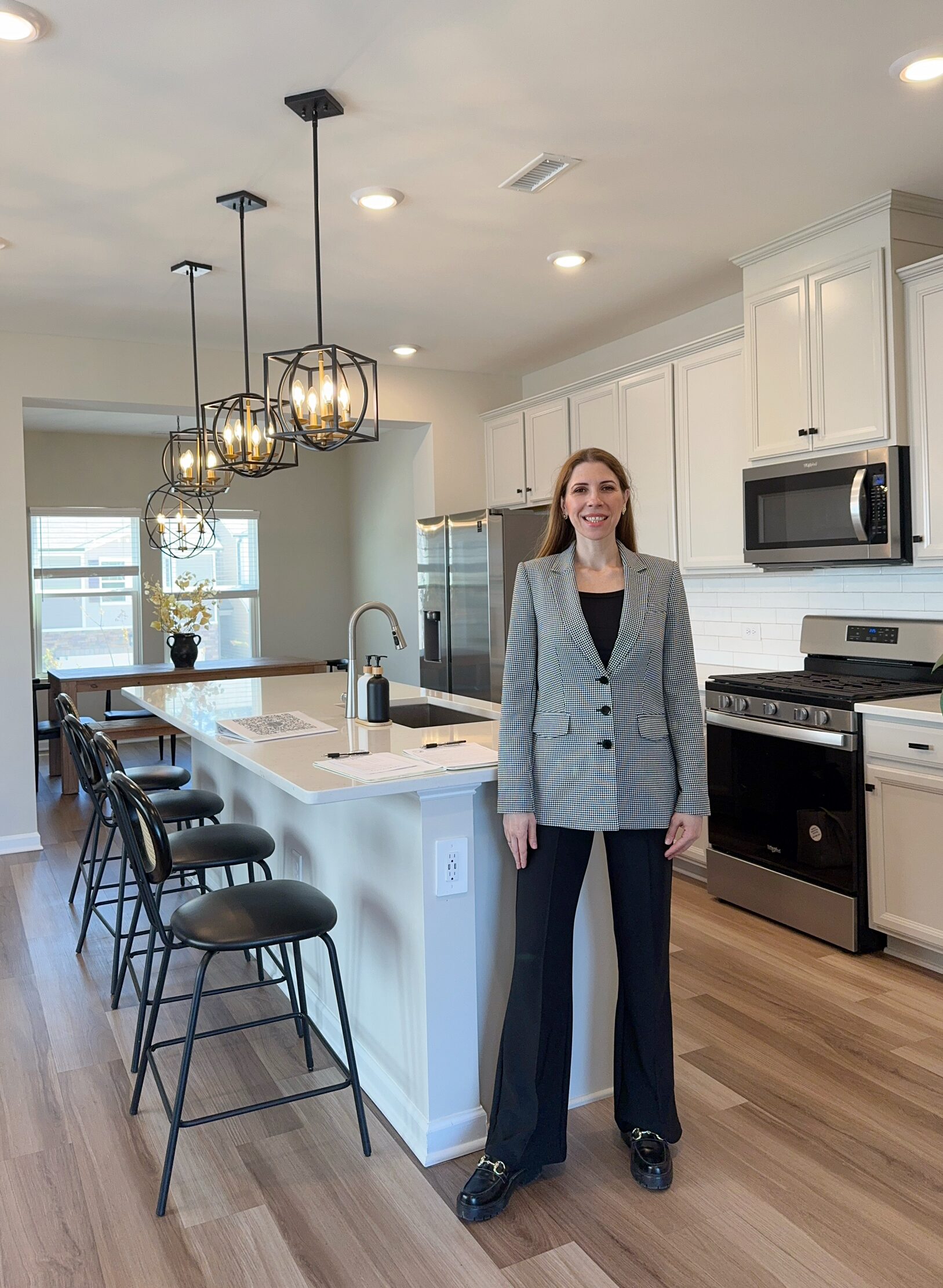
Anna Rukhlina works with sellers throughout Chapel Hill and Orange County — Gimghoul, Northside, Southern Village, Meadowmont, Westwood, Culbreth, and surrounding communities. · Real Estate Broker · DASH Carolina · 919-332-6256