Selling Your Home in Clayton, NC
Clayton is one of the fastest-growing communities in the Triangle region — and one of the most distinctly different from the markets to the west. Located in Johnston County rather than Wake County, Clayton attracts buyers who have made a deliberate calculation: more house, more land, or more accessible monthly payments in exchange for a longer commute and a different county address.
For sellers, understanding what brought your buyer to Clayton — and what they’re comparing your home against — is the starting point for every pricing and marketing decision.
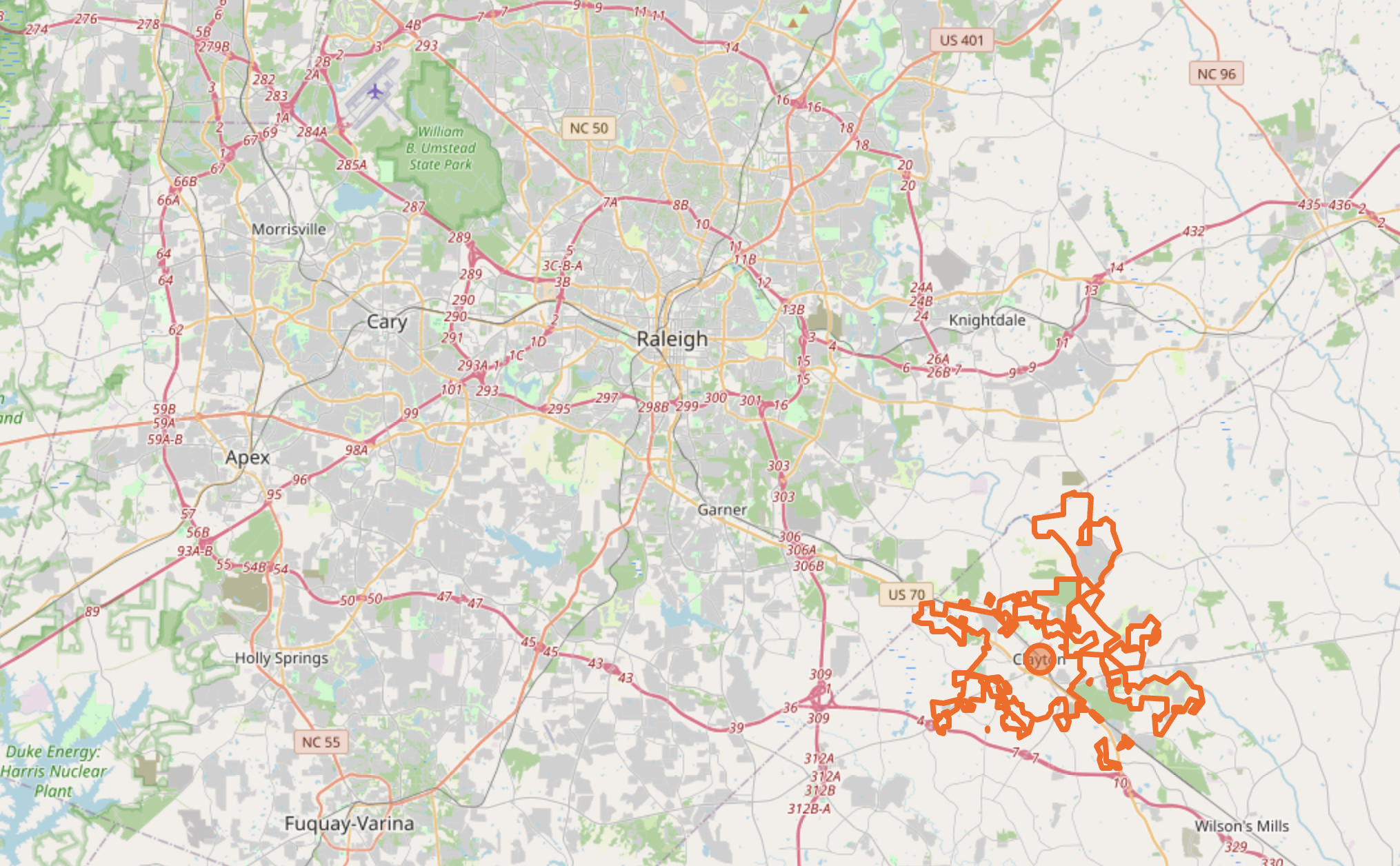
Before discussing neighborhoods or buyer types, this needs to be stated clearly: Clayton is in Johnston County, not Wake County. This is not a detail — it shapes everything about the market.
Johnston County has different property tax rates, different schools (Johnston County Schools, not Wake County Schools), and a different municipal identity than Wake County communities. Buyers who choose Clayton have considered this. Some choose it specifically because of the value proposition Johnston County offers. Others arrive after exhausting Wake County options and finding Clayton’s price points work better for their budget.
For sellers, this means comparable sales should primarily come from Johnston County and directly competing Clayton communities. At the same time, many buyers actively compare Clayton with Garner, Fuquay-Varina, and other southern Triangle markets — especially at overlapping price points. Understanding both the CMA context (Johnston County) and the buyer’s comparison set (broader Triangle) is how you price accurately. Using Wake County data as your comp baseline is one of the most common and costly mistakes Clayton sellers make.
Who Buys Homes in Clayton
Buyers prioritizing monthly payment over address. Clayton’s buyer pool is among the most payment-sensitive in the Triangle. Interest rate changes affect Clayton’s market more visibly than most — when rates rise, buyer activity slows noticeably; when rates fall, demand responds quickly. Buyers here are often calculating what they can afford monthly, and Clayton’s price points give them room that Wake County doesn’t.
Buyers seeking more space than Wake County offers at their budget. Many buyers begin their search in Garner before expanding into Clayton when they find that their budget stretches further in Johnston County. A buyer who can afford a townhome or small single-family home in Garner or south Raleigh may find they can purchase a larger home with a larger lot in Clayton. This trade-off — size and space for commute — is a deliberate and common choice.
Raleigh and Johnston County workers. Clayton sits along the US-70 corridor with connections to I-40 through Garner. Commutes to downtown Raleigh or south Raleigh employers are manageable for many buyers. Workers employed in Johnston County itself — at Johnston Health, local employers, or businesses along the US-70 commercial corridor — often prefer to live where they work.
First-time buyers. Clayton offers genuine entry-level price points that have become increasingly rare in Wake County. First-time buyers who have been priced out of Garner, south Raleigh, and surrounding markets frequently find their opportunity in Clayton.
Established community destination buyers. Clayton has several communities with strong identities — Flowers Plantation, Glen Laurel, Riverwood Athletic Club, and others. Buyers who target a specific community have typically researched it, know it, and are buying into the lifestyle and identity it offers. They are a distinct buyer type from buyers shopping broadly across Clayton’s new construction landscape.
Clayton Neighborhoods: What Sellers Should Know
Clayton neighborhoods range from Flowers Plantation and Glen Laurel to active East Clayton growth corridors — each with distinct buyers, comp sets, and builder competition.
Clayton Seller Snapshot
| Area | Typical Buyer | Key Value Driver | Main Competition |
|---|---|---|---|
| Flowers Plantation | Families, established buyers | Community identity, amenities, lifestyle | Other Flowers resale, active Flowers builders |
| Portofino / Tuscany / Broadmoor | Move-up families | Newer homes, amenities, Johnston Co. value | Other mid-Clayton communities, builders |
| Glen Laurel | Established families | Golf, community character | Riverwood, Flowers comps |
| Riverwood Athletic Club | Golf/lifestyle buyers | Club amenities, recreational lifestyle | Glen Laurel, Flowers comps |
| Historic Downtown area | Lifestyle buyers | Small-town character, walkability | Other downtown-adjacent Johnston County options |
| East Clayton growth areas | First-time and move-up buyers | Price point, newer construction, I-42 access | Active builders, Garner resale |
Flowers Plantation
Flowers Plantation is Clayton’s most recognized community — a large, master-planned development with extensive amenities, a village center, pools, trails, and a community identity that has been building for over two decades. It is the community most buyers think of when they think of Clayton real estate.
What drives demand
Community recognition, amenities, lifestyle infrastructure, and an established identity that newer Clayton communities don’t have. Flowers Plantation buyers have usually researched the community specifically. Many have friends or family already living there. The community’s name recognition extends beyond Johnston County — buyers relocating to the Triangle from other markets often encounter it in their research.
What sellers should know
Flowers Plantation functions as its own submarket within Clayton. Comps within Flowers should be used for Flowers homes — not broader Clayton or Johnston County data. The community’s size means there are usually adequate comparable sales. Condition and presentation matter here because buyers comparing within Flowers have options and evaluate carefully. Flowers Plantation also has ongoing development phases, meaning resale sellers may face some builder competition within or adjacent to the community. Knowing what builders are currently offering in active phases helps resale sellers price accurately.
Glen Laurel
Glen Laurel is an established Clayton community with golf course access, community amenities, and a neighborhood feel that predates Flowers Plantation’s dominance of the Clayton market.
What drives demand
Golf community character, established landscaping, and a neighborhood identity that has matured over time. Glen Laurel buyers often specifically want an established golf community and are comparing within this category rather than against commodity new construction.
What sellers should know
Glen Laurel competes primarily with other established Clayton communities — Flowers and Riverwood — rather than with new construction. Homes here tend to be older, and condition is a factor. Buyers comparing golf communities in Johnston County will visit multiple options; condition and pricing relative to Flowers Plantation comps shapes where Glen Laurel homes land.
Riverwood Athletic Club
Riverwood Athletic Club is a community built around golf and recreational amenities — pools, tennis, and a social club structure that appeals to a specific lifestyle-oriented buyer.
What drives demand
The club lifestyle and amenity access. Riverwood buyers are often specifically seeking the social and recreational infrastructure the community offers, not just the housing. This buyer has made a lifestyle decision as much as a real estate decision.
What sellers should know
Riverwood’s niche appeal means a smaller but more targeted buyer pool. Marketing should lead with the lifestyle and amenity access rather than generic community features. HOA structure and club fees are part of the conversation early in the buyer’s evaluation.
Historic Downtown Clayton
Downtown Clayton is a growing small-town center — local restaurants, community events, and a municipal identity that is investing in its core. It’s earlier in its development trajectory than downtown Apex or downtown Fuquay-Varina but has authentic character.
What drives demand
Small-town feel, walkability relative to most Clayton communities, and proximity to local employers and services. Buyers who target downtown Clayton are often choosing community character over subdivision infrastructure.
What sellers should know
Homes near downtown tend to be older and more varied. This buyer is not comparing your home to a new build in Flowers Plantation — they’ve already made a different lifestyle choice. Marketing should reflect the town character and location rather than trying to compete on newer finishes or community amenities.
Portofino, Tuscany, Broadmoor, and Mid-Clayton Communities
Clayton’s market extends well beyond Flowers Plantation. Communities like Portofino, Tuscany, Broadmoor, Highgate, Academy Pointe, and Pineville West represent the broad mid-market of Clayton residential real estate — newer homes, varying amenity levels, and price points that serve move-up buyers looking for value in Johnston County.
What drives demand
Johnston County value relative to Wake County, newer construction in many communities, and the growing infrastructure of Clayton itself. These communities attract buyers who have evaluated Flowers Plantation and either found it outside their budget or decided a different community better fits their needs.
What sellers should know
This segment of Clayton’s market has the most active builder competition. Resale homes compete with new product across multiple communities simultaneously. Condition, lot, and price relative to nearby builder offerings are the primary variables. Your comp pool is your specific community — not Flowers Plantation — and your competition includes both resale and new construction.
East Clayton Growth Areas
East Clayton — along the US-70 corridor extending east of town and into developing areas — is one of the most active new construction zones in the entire Triangle region. Communities here offer entry-level and move-up options at some of Johnston County’s most accessible price points.
What drives demand
Price point above all else, newer construction with modern layouts, and the longer-term potential of improved access as the future I-42 (US-70 upgrade) corridor takes shape. The planned I-42 — a long-term infrastructure project that would significantly improve connections between Johnston County and the broader Triangle — is a real demand driver for buyers thinking about the area’s trajectory, though timelines for major infrastructure projects always carry uncertainty.
What sellers should know
Builder competition here is most intense. Resale sellers are competing directly with new product and need to price and present with that comparison front of mind. The I-42 conversation comes up with buyers — sellers who understand the project’s context and can speak to it factually (without overpromising) communicate more credibly.
What Clayton Sellers Often Miss
Johnston County is not a secondary Wake County market — it’s a separate market
Sellers sometimes look at what homes are selling for in Garner or south Raleigh and price accordingly. These are Wake County comparables in a different county with different tax rates, schools, and buyer pools. Pricing against Wake County data typically results in overpricing for the Johnston County buyer — which extends days on market and leads to reductions.
Monthly payment is the central buyer calculation — not purchase price
When interest rates rise, Clayton’s buyer pool contracts more than most Triangle markets, because buyers here are operating closer to the edge of what they can afford monthly. When rates fall, demand recovers quickly. Sellers need to understand the monthly payment their list price creates and how that compares to alternatives at the same payment level.
Clayton and Fuquay-Varina compete more than sellers realize
Many buyers consider both markets simultaneously — particularly at mid-range price points where monthly payment is close. Clayton typically offers lower price points and Johnston County tax rates; Fuquay-Varina offers Wake County schools and closer proximity to Holly Springs and Apex. Buyers who end up in Clayton have usually made a deliberate choice — but sellers who don’t understand the Fuquay-Varina comparison are missing the most common alternative their buyer evaluated. Knowing what Fuquay-Varina offers at your price point helps you articulate Clayton’s value proposition more precisely.
Clayton’s market is broader than Flowers Plantation
Flowers is well-known and consistently in demand, but Clayton’s growth has produced a wide range of communities — Portofino, Tuscany, Broadmoor, Glen Laurel, Riverwood, East Clayton developments, and more. Many buyers never visit Flowers because their price point, priorities, or community preferences lead them elsewhere. Marketing a home based on Flowers’ reputation when your home is in a different community — or pricing against Flowers comps — can set up the wrong expectations.
Commute honesty matters
Buyers considering Clayton have already done their commute math — or they should have. Sellers who try to minimize the commute reality in marketing lose credibility with buyers who’ve driven it. Sellers who acknowledge it and lead with the value trade-off communicate more honestly and attract buyers who have already made peace with the commute.
New construction is ongoing throughout Clayton — not just near Flowers
Builder activity spans Flowers Plantation phases, East Clayton corridors, and mid-market communities across Johnston County. Builder incentives are real and routine. Any resale seller in Clayton should know what builders are currently offering in their specific area before setting a list price.
What Drives Home Value in Clayton
Community Identity
Flowers Plantation is one of the strongest value drivers in Clayton’s market. Its established identity, amenity infrastructure, and name recognition support pricing levels above commodity Johnston County new construction. Homes in Flowers compete within Flowers — not against the broader Clayton market.
Price and Monthly Payment
More than in any other Triangle market covered here, value in Clayton is ultimately expressed in monthly payment. Buyers at Clayton’s price points are sensitive to rate changes, and the monthly cost of ownership is often the deciding variable. Price per square foot and comps matter, but the monthly payment comparison with alternatives at the same budget drives decisions.
Condition
In a market where buyers are payment-sensitive and builder competition is active, condition of resale homes matters more than in low-inventory environments. A well-maintained resale home with updated systems competes effectively. A home with deferred maintenance at the same price as a new alternative loses that comparison.
Proximity, Commute Routes, and Future Infrastructure
Access to US-70 and the Raleigh commute corridors affects value across Clayton’s market. Proximity to Johnston County employers and the US-70 commercial corridor matters to buyers who work locally. The planned I-42 project — a long-term upgrade of the US-70 corridor that would improve connectivity between Johnston County and the Triangle — is part of how some buyers frame Clayton’s long-term value. Sellers should understand this context without overstating the timeline.
Pricing in Clayton: What Sellers Need to Know
Clayton pricing requires Johnston County comparables — not Wake County data. The market operates on its own dynamics, and the buyer pool is distinct from Garner or south Raleigh even at similar price points.
Within Clayton, Flowers Plantation homes should be priced against Flowers comparables. Homes in other communities or the growth corridors should be priced against their actual competitive set, accounting for what builders are currently offering nearby.
The most important variable to monitor is where interest rates are relative to recent history. Clayton’s market is more rate-sensitive than most, and a pricing strategy appropriate at one rate environment may need adjustment as rates change.
Want to know what your Clayton home is worth in today’s market? Get Your Free Clayton Home Value Analysis or see the Home Value & Pricing guide.
Common Questions from Clayton Sellers
Ready to Sell in Clayton?
Clayton’s market rewards sellers who understand the Johnston County context, know which community they’re actually competing in, and price to the monthly payment their buyer is calculating.
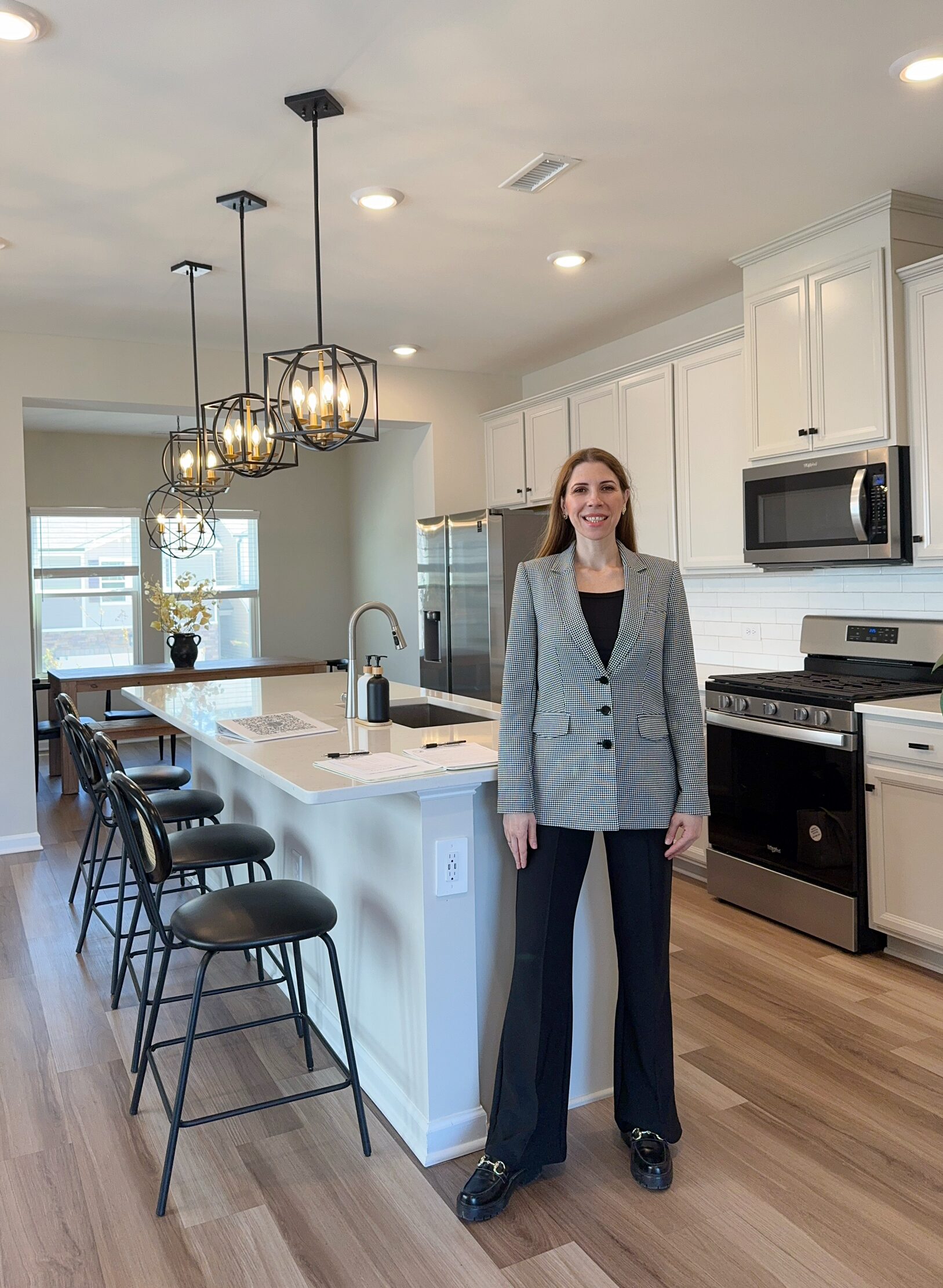
Anna Rukhlina works with sellers throughout Clayton and Johnston County — Flowers Plantation, Glen Laurel, Riverwood Athletic Club, Historic Downtown, and surrounding communities. · Real Estate Broker · DASH Carolina · 919-332-6256