Home Inspection Guide for Triangle Sellers: What to Expect and How to Prepare
For most sellers, the home inspection is the most stressful part of the selling process. It doesn’t have to be.
Understanding what inspectors look for, what buyers typically request, and how to respond strategically makes the difference between a smooth transaction and a deal that falls apart during due diligence.
Two Types of Inspections Sellers Should Know About
There are two moments in the selling process when inspections matter:
The buyer’s inspection
Ordered by the buyer after you’re under contract, during North Carolina’s due diligence period. This is the standard inspection that happens in virtually every transaction. The buyer hires a licensed inspector, pays for it themselves, and receives a report. Based on that report, they may request repairs, a credit, or — if findings are significant enough — terminate the contract entirely.
A pre-listing inspection
Ordered by the seller before the home goes on the market. Not required, and not always the right call, but increasingly common among sellers who want to know what’s there before buyers do. More on this below.
What Happens During a Buyer’s Home Inspection
A licensed home inspector examines the property from top to bottom — typically over two to four hours depending on the size and age of the home. The buyer is usually present. As the seller, you should not be.
What inspectors examine
- Roof — condition, estimated remaining life, visible damage, flashing, gutters
- Foundation and structure — cracks, settlement, signs of water intrusion
- Crawl space — moisture, vapor barrier condition, wood rot, pest damage, insulation
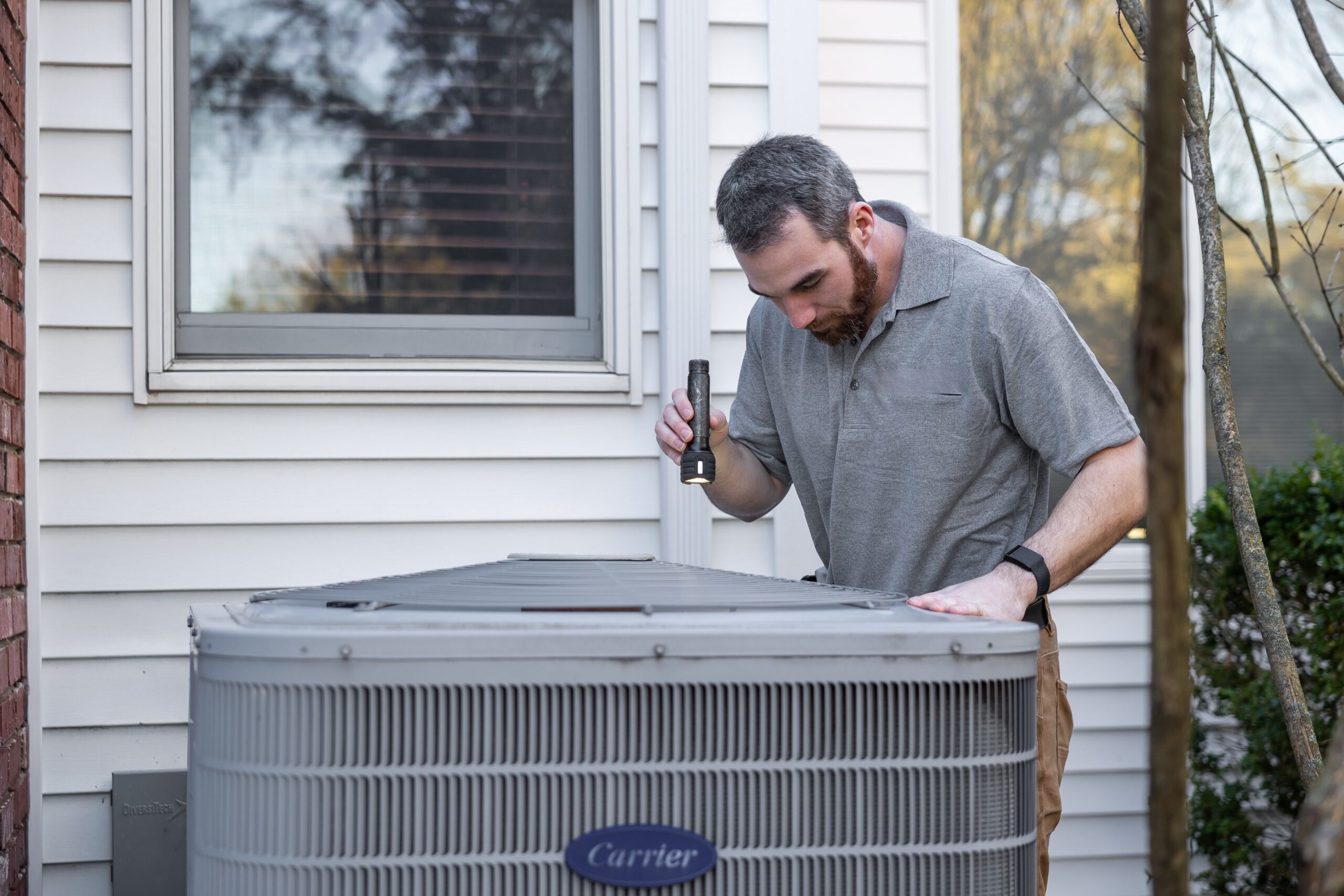
- HVAC systems — heating and cooling function, age, filters, ductwork
- Plumbing — water pressure, drainage, water heater age and condition, visible pipe condition
- Electrical — panel condition, breakers, outlets, GFCI protection, visible wiring
- Windows and doors — function, seals, locks
- Attic — insulation, ventilation, signs of moisture or pest activity
- Interior — walls, ceilings, floors, stairs, visible cracks or water stains
Inspectors document everything they observe — including items that are functioning normally but aging. The report can be 30 to 60+ pages. That is normal. A long report doesn’t mean the home has serious problems; it means the inspector did their job.
Most Common Inspection Findings in Triangle Homes
Every home gets a report. Here’s what comes up most often in the Triangle:
Crawl Space Moisture
North Carolina’s humidity creates real risk of moisture accumulation under homes. Inspectors check for standing water, inadequate vapor barrier coverage, wood rot, and mold. This is one of the most common findings in the Triangle — and one buyers take seriously. If you haven’t looked under your home in a few years, do it before listing.
Aging HVAC
Air conditioning is non-negotiable in a North Carolina summer. Buyers’ inspectors check HVAC operation and note system age. Older systems are commonly noted in inspection reports and may prompt questions about remaining useful life. If you haven’t had your system serviced recently, do it before listing and have the records available.
Roof Age or Condition
Many Triangle homes built in the late 1990s and early 2000s have roofs approaching the end of their useful life. Inspectors note age and visible condition. A roof with limited estimated life remaining will generate questions around repair requests or homeowner’s insurance.
Radon
Elevated radon levels are found in parts of the Triangle, particularly in areas with granite bedrock. Buyers frequently request radon testing alongside the general inspection. Mitigation systems are effective and not prohibitively expensive, but sellers should be aware this may come up.
WDI / Termites
Termites and other wood-destroying insects are common in North Carolina. A separate WDI inspection is often ordered by buyers or required by lenders. Active infestations or prior damage without documentation of treatment will generate repair or credit requests.
Electrical Issues
Older panels, double-tapped breakers, and outdated wiring configurations are common in homes more than 20–25 years old. These items appear on nearly every inspection of an older Triangle home.
Water Heater Age
Older water heaters are routinely noted in inspection reports. Not always a deal issue, but commonly flagged and worth being prepared for.
What Usually Isn’t a Big Deal
Inspection reports are long. Not everything on them carries the same weight. These are common findings that rarely threaten a deal:
Seeing these items on a report is normal. Addressing the obvious ones before listing removes them from the conversation entirely.
How to Prepare Your Home for Inspection Day
You can’t control what the inspector finds. You can control the impression your home makes and address the easy items before they end up on the report.
Before the inspection
- Replace all burned-out light bulbs. Inspectors flip every switch. A dead bulb gets noted — and buyers wonder why.
- Make sure all utilities are on and all appliances are accessible and operational.
- Clear access to the attic, crawl space, electrical panel, and water heater. Inspectors need to get to all of these.
- Service your HVAC if it hasn’t been done recently. Have the paperwork available.
- Replace HVAC filters — it’s noticed.
- Fix obvious minor items: dripping faucets, running toilets, loose door handles, caulk gaps.
- Ensure smoke detectors and carbon monoxide detectors are present and functional.
- Clean the area around the water heater and electrical panel.
On inspection day
- Leave the home. Buyers are uncomfortable when sellers are present, and sellers who stay tend to create tension. Take your pets with you.
- Leave keys and remotes for any locked outbuildings, gates, or utility areas.
- Leave the house in the same condition it would be in for a showing.
For a full pre-listing prep checklist, see How to Prepare Your Home for Sale.
How to Respond to Repair Requests
After the inspection, buyers typically submit a repair request — formally called a Due Diligence Repair Request in North Carolina. This is a negotiation, not a demand.
You have options
What you are NOT required to fix
There is no legal requirement in North Carolina to make any specific repairs after an inspection. The repair request is a negotiation, not an obligation. However:
- Items that were not disclosed but were known to you can create legal exposure. NC’s disclosure laws are strict.
- Significant safety or structural issues that you decline to address give the buyer grounds to terminate during due diligence — and keep their earnest money.
- Declining reasonable repair requests increases the risk the buyer walks during their due diligence period.
Inspection Timeline: What Happens When
Once you’re under contract in North Carolina, here’s how the inspection process typically unfolds within the due diligence period:
| Approximate Timing | What Happens |
|---|---|
| ~Day 1–3 | Contract signed · Due diligence period begins |
| ~Day 3–10 | Buyer schedules and completes home inspection |
| ~Day 7–14 | Buyer reviews inspection report |
| ~Day 10–20 | Inspection negotiations and resolution discussions |
| Before DD End | Buyer decides whether to proceed or terminate |
The due diligence end date is the hard deadline for all inspection-related negotiations. Both parties need to reach resolution before that date — unresolved issues after DD expires put the buyer’s earnest money at risk if they walk.
The Due Diligence Connection
In North Carolina, the buyer’s inspection happens during the due diligence period — the window negotiated at contract during which the buyer can terminate for any reason and receive their earnest money back (forfeiting only the due diligence fee).
This means inspection negotiations carry a deadline: the end of the due diligence period. Both parties need to reach resolution before that date. Unresolved inspection issues are one of the most common reasons deals fall apart in NC — not because the findings were catastrophic, but because negotiations dragged past the DD deadline.
Should You Get a Pre-Listing Inspection?
A pre-listing inspection is when you hire an inspector before listing — on your own dime, before any buyer is involved.
The case for it
You find out what’s there before the buyer does. You can repair items on your own timeline and at your own price, rather than under contract pressure when contractors know you’re in a hurry. If significant issues exist — a crawl space problem, a roof in worse shape than expected, aging electrical — you can address them, disclose and price accordingly, or adjust your strategy before going to market. It also demonstrates transparency to buyers.
The case against
North Carolina requires sellers to disclose known material defects. A pre-listing inspection creates documented knowledge. If you find something and don’t fix it, you’re still legally obligated to disclose it. Some agents prefer to let the buyer’s inspector find issues, then negotiate from there.
When a pre-listing inspection makes the most sense
- Older homes (20+ years) where you haven’t done a systematic review of systems
- Homes that haven’t been updated in a long time
- Competitive markets where falling out of contract would mean relisting with accumulated days on market
- Sellers who want certainty and prefer to control the repair process
Your agent can help you weigh the decision for your specific situation.
Frequently Asked Questions

Get Ahead of the Inspection Before You List
The sellers who navigate inspections most smoothly are the ones who know what’s there before buyers do. A pre-listing consultation helps you identify what to address, what to disclose, and how to price accordingly.
Anna Rukhlina works with sellers throughout the Triangle — Raleigh, Cary, Apex, Wake Forest, Clayton, Durham, and surrounding communities. · Real Estate Broker · DASH Carolina · 919-332-6256